
 Caleb Turner

Apply wood filler specifically designed for outdoor use to any imperfections on your surfaces. Ensure the filler matches the existing finish, allowing for a seamless repair. Smooth it out with a putty knife, and let it cure according to the manufacturer’s instructions.
Once the filler is dry, sand the area lightly until it is flush with the surrounding material. Use a fine-grit sandpaper for a smooth finish, then clean the area with a damp cloth to remove any dust. After sanding, it’s time to reapply a protective sealant to guard against moisture and UV damage, ensuring the longevity of your pieces.
Regular maintenance, such as cleaning and reapplying sealant annually, will prevent further wear and tear. Examine your possessions periodically for any signs of damage and address them immediately to keep your outdoor areas looking pristine.
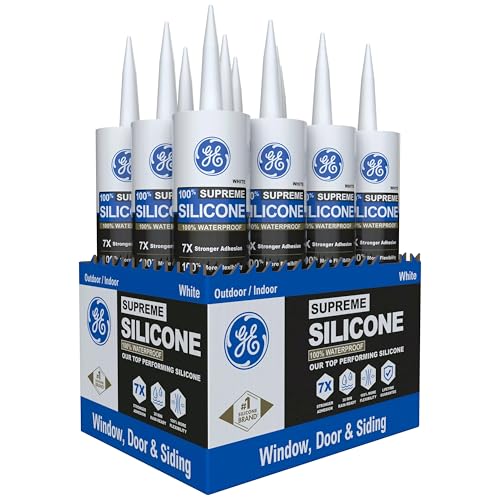


Repairing Imperfections in Exterior Timber Items
Begin with thorough cleaning. Use a mixture of warm water and mild detergent to wash the affected surface. Ensure there is no dust or debris in the gaps.
Next, select a suitable filler. Epoxy resin works well for larger openings. For smaller imperfections, a high-quality wood filler can suffice. Follow the product instructions carefully for optimal results.
Apply the filler with a putty knife, pressing it into the gaps firmly. Ensure you overfill slightly to compensate for shrinkage as it dries. Allow adequate drying time as specified on the label.
After the filler sets, sand the area smooth. Use progressively finer grits to blend the patch seamlessly with the surrounding area.
Finish by applying a protective treatment. Choose an exterior-grade sealant or stain that matches the original finish to enhance durability against weather elements.
Check the repair periodically. Reapply treatment as necessary to maintain integrity and appearance.
Identify the Type and Size of the Crack
Examine each line on the surface carefully to determine its classification. Small splits may not demand extensive measures, while larger gaps indicate more serious issues that require immediate attention.
Assess the dimension of the fissure as follows:
| Crack Size | Description | Recommended Assessment |
|---|---|---|
| Hairline | Thin and barely noticeable | Monitor over time for changes |
| Small | Less than 1/4 inch wide | Wood filler can be applied |
| Medium | 1/4 to 1/2 inch wide | Consider a more durable repair solution |
| Large | Greater than 1/2 inch wide | Replace sections if integrity is compromised |
Take note of the crack’s depth as well. Shallow marks may only need cosmetic treatment, while deep fissures could threaten the stability of the piece. Take immediate action based on your findings to maintain the integrity of your outdoor items.
Gather Necessary Tools and Materials
For addressing issues with broken surfaces, I ensure I have the following items ready: wood glue, which provides strong adhesion; filler specifically designed for wooden elements, helping to seamlessly blend repairs; fine-grit sandpaper for smoothing the surface post-repair; and a putty knife to apply filler accurately.
Additional Supplies
I also keep a damp cloth at hand to clean any excess materials, and a soft brush for dusting prior to applying any finish. If the piece requires refinishing, I prepare a suitable outdoor sealant or varnish to protect the surface from future damage.
Safety Gear
Lastly, I prioritize safety by wearing gloves to protect my hands and goggles to shield my eyes from debris while working. This preparation helps ensure a safe and efficient process, allowing for a successful repair.
Clean the Cracked Area Properly
I always begin by ensuring the damaged section is free from dirt and debris. A soft brush or cloth can efficiently remove loose particles, preventing further complications. For more stubborn grime, I prepare a mixture of mild soap and water. Gently scrubbing the area with a sponge helps eliminate built-up residues without harming the surface.
Rinse and Dry
After cleaning, I rinse the area thoroughly with clean water to eliminate any soap residue. It’s crucial to let the wood dry completely before any repair work. I usually leave it in a shaded spot to avoid direct sunlight, which can cause uneven drying.
Inspect for Damage
Once the area is dry, I take a closer look to assess the extent of the damage. If any remnants of old finishes or coatings are present, I use a fine-grit sandpaper to gently smooth the surface. This preparation step is key to ensuring a strong bond with any fillers or sealants applied later.
Choose the Right Wood Filler for the Repair
Select a filler based on the material composition and the extent of damage. For minor separations, a lightweight, water-based product works well due to its ease of application and quick drying time. If the gap is substantial, opt for a heavier-duty filler, often epoxy-based, which provides superior adhesion and durability.
Consider the environmental conditions in which the item will be placed. For instances exposed to moisture or humid environments, choose a moisture-resistant formula. Indoor conditions may not require such features, allowing for a simpler, more cost-effective option.
Check for color matching, especially when it comes to stained pieces. Some fillers come in various tints or can be painted over, enhancing their disguise once cured. Using a small sample can help assess how well the shade aligns with the existing surface.
The table below outlines common types of fillers and their best uses:
| Filler Type | Best Use | Features |
|---|---|---|
| Water-based | Small gaps | Easy to apply and sand, quick drying |
| Epoxy-based | Large breaks | Strong adhesion, moisture-resistant |
| Color-matched | Stained pieces | Available in various shades, blends well |
Evaluating the specific needs and environmental factors ensures long-lasting results, protecting the integrity of the constructed item while enhancing its appearance.
Apply Wood Filler to the Crack Accurately
Ensure the chosen wood filler matches the color of your material for a seamless repair. Using a putty knife, press the filler directly into the fissure, making sure to overfill slightly to compensate for shrinkage as it dries. Maintain a steady hand to avoid applying excess filler on the surrounding surface.
Technique for Application
Work the filler into the fissure in a back-and-forth motion, ensuring all edges are filled. For deeper gaps, consider layering the filler. Allow each layer to dry before applying another, which adds strength to the repair.
Smoothing the Surface
Once the filler is fully cured, use fine-grit sandpaper to smooth the surface. Sand until even, blending the repair with the surrounding area. Wipe away any dust with a damp cloth before proceeding to staining or sealing.
Sand the Filler Smoothly After Drying
Once the filler has completely dried, I begin the sanding process to achieve a smooth finish. I always use fine-grit sandpaper, typically between 120 and 220 grit, as this helps to avoid excessive removal of material.
Steps to Sanding
- I wear a dust mask and goggles to protect myself from fine particles.
- With the sandpaper wrapped around a sanding block or using a sanding sponge, I gently sand the filled area. I take care to follow the grain of the timber to maintain a consistent surface texture.
- I periodically wipe the area with a clean, damp cloth to remove dust and check my progress.
After the initial sanding, I touch up the area with even finer grit for a seamless finish. The goal is to blend the repaired section with the surrounding surface, making it nearly invisible. For the final touches, I inspect the area closely; if I notice any imperfections, I can apply additional filler and repeat the sanding process.
Final Steps
Once I am satisfied with the smoothness, I clean the entire surface before applying any sealant or finish. This step ensures that the repair not only looks good but also lasts over time.
Seal the Area to Protect Against Future Damage
To prevent future deterioration, apply a reliable sealant to the repaired section. Select a product specifically designed for exterior applications, ensuring it can withstand various weather conditions.
Follow these steps:
- Ensure the filler has completely cured before proceeding.
- Choose a quality outdoor sealant. Look for options that resist UV rays and moisture.
- Use a clean brush or roller for application, ensuring even coverage over the entire repaired area.
Allow the sealant to dry as per the manufacturer’s instructions. This step is crucial; improper drying can lead to peeling or bubbling over time.
For additional protection, consider reapplying the sealant annually. Regular maintenance significantly extends the life of your wooden items.
Monitor the condition frequently after sealing. Address any minor issues quickly to prevent them from becoming larger problems.
Maintain Your Outdoor Furniture to Prevent Cracks
I recommend regular cleaning using a mild soap solution to remove dirt and grime buildup, which can lead to damage over time. After washing, make sure to rinse thoroughly and allow the pieces to dry completely.
Applying a protective finish, such as a quality sealant or wood preservative, helps to guard against moisture and sun exposure. Reapply this treatment at least once a year to extend the life of your items.
Position your assets strategically, avoiding direct sunlight and placing them in shaded areas wherever possible. Utilizing covers when not in use can provide extra protection against environmental stressors.
During seasonal changes, inspect for signs of wear, such as fading or rough textures. Address any issues promptly to mitigate further deterioration.
Ensure proper storage during harsh weather conditions. If feasible, move your possessions indoors or to a sheltered spot to prevent prolonged exposure to rain, snow, or extreme temperatures.
Using coasters and cushions can prevent scratches and indentations from everyday use, maintaining the integrity of surfaces.
FAQ:
What are the common causes of cracks in outdoor wood furniture?
Cracks in outdoor wood furniture are often caused by exposure to the elements. Factors such as extreme temperatures, moisture, and sunlight can cause wood to expand and contract, leading to splits and fissures. Additionally, poor quality wood or insufficient sealing can exacerbate these issues, making the furniture more vulnerable to damage over time.
How can I prevent cracks from forming on my outdoor wood furniture?
To prevent cracks, it’s advisable to apply a high-quality sealant or protective coating specifically designed for outdoor furniture. Regular maintenance, such as cleaning the furniture and reapplying the protective layer at least once a year, will help maintain its integrity. Furthermore, keeping the furniture in a shaded area when not in use can minimize sun exposure, reducing the chances of cracking.
What materials do I need to fix cracks in outdoor wood furniture?
To repair cracks, you’ll typically need wood filler or epoxy suitable for outdoor use, sandpaper, a putty knife, and a protective coating like varnish or sealant. For deeper cracks, clamps or wood glue may also be necessary to secure the pieces while they set. Ensure that all materials chosen are appropriate for outdoor conditions to guarantee durability.
Can I use regular wood glue for repairing outdoor furniture cracks?
Regular wood glue may not be the best choice for outdoor furniture repairs. It’s better to select a waterproof wood adhesive or epoxy, as these products are designed to withstand moisture and temperature changes. Using the right adhesive will help ensure a lasting repair and prevent future damage from occurring in the same area.
What are the steps to follow when repairing a crack in outdoor wood furniture?
First, clean the area around the crack to remove any dirt or debris. Next, if the crack is deep, apply wood glue or epoxy into the crack and use a putty knife to push it in. For narrow cracks, wood filler can suffice. After letting it dry as per the product instructions, sand the area smooth to blend it with the surrounding wood. Finally, apply a protective finish or sealant to safeguard against future damage. Allow the finish to cure completely before using the furniture again.


