Caleb Turner

The quickest method to restore your cherished braided creations involves inspecting the damage closely. Identify if any strands are frayed or completely detached. For minor wear, a simple repair with clear-drying adhesive can work wonders.
If a piece is significantly damaged, remove any loose threads with a pair of sharp scissors. Then, use a sturdy needle and durable twine to reweave the area, ensuring that the new strands closely match the original material for a seamless finish.
In cases where the structure is compromised, consider reinforcing joints with wood glue and clamps. Allow ample drying time before gently reassembling the piece. Once complete, a coat of furniture polish can revitalize the surface and enhance its natural luster, giving your item a fresh look.


Assessing the Damage on Rattan Furniture
Carefully inspect all parts of your piece. Look for signs of wear, cracks, or breaks in the weaving. Pay special attention to joints where supports meet, as these areas often bear considerable stress.
Identifying Weak Spots
Press gently on the structure to test for stability. If you notice any wobbling or soft spots, take note. A solid foundation is key for longevity. Also, evaluate the weaving material for frayed edges or loose strands, indicating that repair work is necessary.
Surface Damage Evaluation
Examine the finish for scratches or discoloration. Use a damp cloth to clean the surface, revealing the extent of any cosmetic flaws. If stains persist after cleaning, a refinishing process may be required to restore its original appearance.
Your assessment should guide your next steps. Document any issues clearly; this will help streamline the repair process or when sourcing replacement parts.
Tools and Materials Needed for Repairs
Gather the following items before beginning the restoration process. These tools will streamline the work and enhance results.
Basic Tools
A sturdy pair of pliers is critical for gripping and manipulating the strands. Scissors are necessary for trimming any frayed edges. A screwdriver set suitable for the specific screws used in your item can help disassemble components if needed. A utility knife provides precision cuts for repairs.
Repair Materials
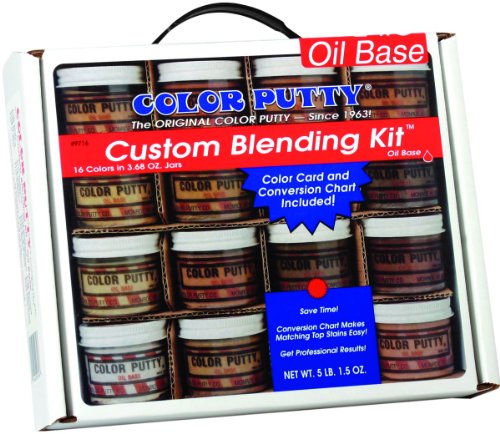
For reweaving, select high-quality rattan or similar materials, ensuring that the color and texture match closely. Adhesive designed for wood or crafts should be utilized for permanent bonds. A small brush can assist in precise application of glue. For aesthetic touch-ups, matching paint or wood stain may be needed.
Finally, old cloths or rags will help clean surfaces and manage spills. A satisfactory first aid kit is advisable for minor injuries that may occur during repairs.
Techniques for Weaving Rattan Strips
Begin with preparing the strips by soaking them in warm water for 30 minutes, making them more pliable. This reduces the risk of breakage during the weaving process.
Choose a simple weaving pattern, such as the over-under method, which is efficient for reinforcing or creating new sections. Start by securing one end of the strip to a stable part of the piece before continuing with the weaving pattern.
When adding new strips, overlap them slightly with the previous strip to maintain strength. Cut the ends at a diagonal to aid in blending them seamlessly into the pattern. Use a small dab of wood glue at the junctions for added security.
For more complex designs, consider incorporating various patterns like basket weave or checkerboard. Alternate between the inner and outer strips, pulling them tight but not excessively to prevent distortion.
If you encounter tight areas, use a pair of tweezers to help pull the strips through without causing damage. This ensures uniform tension throughout the piece.
Always finish by trimming any excess material and applying a natural finish, such as a beeswax polish, which not only enhances appearance but also adds a layer of protection against wear.
Take your time and ensure each section is consistent, as this attention to detail directly impacts durability and aesthetics.
Reattaching Loose Elements
I recommend using a strong adhesive specifically formulated for natural materials. Begin by cleaning the surfaces of both the loose component and its attachment point to ensure proper bonding. After cleaning, apply the adhesive evenly to both surfaces and press them together firmly. It’s crucial to hold the pieces in place until the adhesive sets, which usually takes about 20-30 minutes, depending on the product. Use clamps or weights to maintain pressure during this time.
Steps to Secure the Join
If you find that the glue alone isn’t providing sufficient support, consider reinforcing the bond with thin strips of wood or bamboo. Cut them to fit snugly around the attached area and secure them with a strong glue. Ensure that any excess adhesive is wiped away immediately before it dries.
Final Touch-Ups
Once everything is set, sand down any rough edges around the repaired area to maintain a smooth surface. You may also want to apply a matching stain or varnish to blend the repair with the surrounding material.
| Material | Recommended Adhesive |
|---|---|
| Natural Fiber | Wood Glue |
| Wood Components | Epoxy Adhesive |
| Metal Fasteners | Super Glue |
Repairing Cracks and Splits in Rattan
For cracks and splits, apply wood glue directly into the fissure. Use a small wooden applicator or a toothpick for precision. After inserting the glue, press the edges together firmly to ensure a tight bond. Wipe off any excess adhesive immediately to prevent unsightly residue once dried.
Reinforcement Techniques
Consider reinforcing the area with thin bamboo or cane strips. Cut the strips to fit over the damaged section, then secure them using adhesive or small upholstery tacks. This method not only stabilizes the repair but also enhances the aesthetic appeal.
Finishing Touches
Once the repairs are complete and fully cured, sand the area lightly to create a smooth finish. Following that, apply a suitable stain or sealant to match the surrounding surface, ensuring the repair blends seamlessly with existing elements.
Applying Finishes for Protection and Aesthetics
Choosing the right finish significantly enhances the longevity and visual appeal of your woven creations. Several options exist, each providing distinct benefits.
- Varnish: A clear coat adds a protective layer against moisture and UV rays. Apply it in thin coats, allowing each to dry fully before adding the next.
- Stain: This option allows you to change color while highlighting texture. Test on a small area to ensure desired results before full application.
- Sealants: Specialized sealants designed for natural materials can prevent deterioration. Look for water-resistant formulations to ensure lasting protection.
- Oil: Natural oils, like linseed or tung, nourish the fibers while providing a subtle sheen. Regular application restores moisture, preventing brittleness.
Preparation is key. Clean the surface thoroughly to remove dust and old finishes. Sand any rough areas gently to promote adhesion.
Application method also matters:
- Use a brush or cloth for even coverage.
- Work along the grain to enhance texture.
- Avoid drips by applying in thin, even layers.
After finishing, allow sufficient curing time to ensure durability. Regular maintenance inspections will help catch any wear before it becomes a problem. Keeping your items in optimal condition will be gratifying, enhancing both practicality and beauty.
Regular Maintenance Tips to Prevent Damage
To prolong the lifespan of these items, I follow several key practices. Regular dusting with a soft cloth helps maintain their appearance and remove debris that can cause wear. I ensure to clean spills immediately using a damp cloth, avoiding excessive moisture that may warp the material.
Periodic application of a suitable protective finish is important. I choose a mild, non-toxic sealant designed for natural fibers, applying it every six months to reinforce protection against moisture and UV damage.
I also inspect the weaving and joints regularly, looking for any signs of looseness or fraying. Tightening loose weaves promptly prevents further issues, so I always keep some extra strips on hand for quick repairs.
To minimize exposure to harsh sunlight, I strategically place these items in shaded areas or use outdoor covers when not in use. This simple step reduces fading and brittleness caused by UV rays.
- Dust regularly with a soft, dry cloth.
- Wipe spills immediately with a damp cloth.
- Apply a protective sealant every six months.
- Inspect for loose weaves or joints and repair promptly.
- Keep away from direct sunlight and use protective covers.
Through these practices, I help ensure that the integrity and beauty of my pieces remain intact for years to come.
FAQ:
What are the common types of damage found in rattan furniture?
Rattan furniture can suffer several types of damage, including breaks, cracks, and loose weaving. Sometimes, it may also exhibit wear and tear from prolonged exposure to sunlight or moisture. Additionally, the finish may become faded or chipped over time. Identifying the specific type of damage is crucial for determining the appropriate repair method.
How can I repair a broken rattan chair?
To repair a broken rattan chair, start by assessing the extent of the damage. If a rattan strand is broken, you can replace it by carefully removing the damaged section. Use a new rattan reed that matches the original thickness and color. Weave the new reed into the existing structure, securing it with glue designed for rattan. For more significant breaks, using a sturdy adhesive may help hold the frame together. Allow the repair to dry completely before using the chair again.
Is it possible to restore the finish of rattan furniture?
Yes, restoring the finish of rattan furniture is feasible. Begin by cleaning the surface with a mild soap solution and a soft cloth to remove dirt and grime. After it dries, gently sand any rough areas and apply a wood conditioner if the rattan is natural. Finally, use a suitable wood stain or varnish to refresh the appearance. Multiple coats may be needed; just ensure each layer dries completely before applying the next.
What tools do I need for rattan furniture repairs?
For rattan furniture repairs, you will need a few basic tools. A pair of scissors or a utility knife will help cut any broken rattan strands. Strong adhesive suitable for rattan or wood is essential for securing repairs. Sandpaper or a sanding block can smooth out surfaces, while a soft brush is useful for cleaning dust and debris. Additionally, having a pair of pliers can aid in tightening loose parts. Make sure you work in a well-lit area for precision.