
 Caleb Turner

If you find your beloved surfaces marred by unsightly stains, the quickest solution involves using a soft cloth and a mild abrasive like baking soda or toothpaste. Gently rub the affected area in a circular motion, taking care not to apply excessive pressure. Wipe away residue with a damp cloth and dry thoroughly.
Another effective technique utilizes vinegar and olive oil, a combination that naturally revitalizes and nourishes the grain. Mix equal parts of both, apply with a clean cloth, and work it into the surface. This not only helps diminish blemishes but also enhances the natural luster.
For deeper imperfections, consider applying a wood polish specifically designed to penetrate and restore the finish. Always test a small, inconspicuous area first to ensure compatibility. The finishing touch involves buffing with a soft cloth to achieve a consistent shine across the entire surface.
Removing Dull Spots from Surfaces
I recommend using a simple mixture of equal parts olive oil and vinegar. Apply a small amount to a soft cloth, then gently rub it over the affected area in a circular motion. This method works to restore the luster and can help to camouflage the blemish effectively.

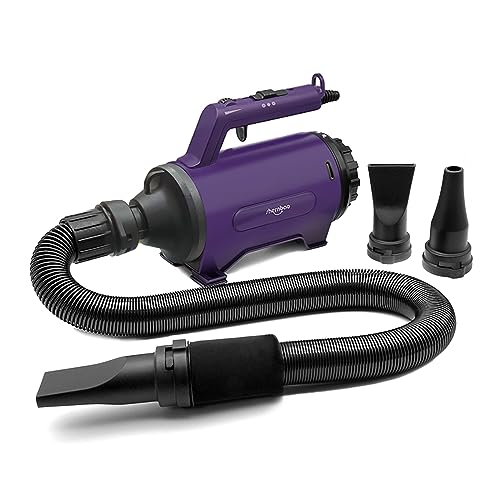

Employing Heat for Tough Spots
Another approach involves using a hairdryer. Set it to a low setting and hold it a few inches away from the surface. Move it back and forth over the dingy area for about 30 seconds. Afterward, rub a clean, dry cloth over the spot to see if it has improved. This technique can help to evaporate moisture trapped within the finish.
Utilizing Baking Soda for Stubborn Issues
If the previous methods do not yield results, mix baking soda with water to create a paste. Apply this mixture to the affected area, gently rubbing it in with a cloth. After a few minutes, wipe it clean with a damp cloth and dry the area thoroughly. This works well to draw out any remaining moisture and reduce the appearance of the stain.
Identifying the Type of Water Mark on Your Furniture
First, observe the appearance of the blemish. If it is white and cloudy, it typically indicates moisture trapped in the finish. If it’s dark and discolored, it may signify water penetrating deeper into the material, potentially affecting the underlying structure.
Assessing the Finish
Next, evaluate the surface protection. A glossy or high-gloss finish often repels moisture better than a matte one. This distinction can guide you in determining appropriate remedies. Additionally, if the surface feels sticky or tacky, it might require a different approach than when the protective layer is intact.
Testing with a Simple Method
To confirm the type, use a blow dryer on a low setting. Move it slowly over the area for a few seconds. If the discoloration fades, it’s likely condensation. If there’s no change, deeper treatment may be necessary.
Gathering Necessary Supplies for Repair
To effectively address the issue, I ensure I have the right materials at hand. This not only simplifies the process but also enhances the outcome. Here’s what I typically gather:
- Soft cloths: A microfiber cloth works best to prevent further scratching.
- Furniture polish or mineral oil: These substances can help restore the natural luster of the surface.
- White vinegar: This natural agent assists in tackling stubborn spots without harsh chemicals.
- Mayonnaise (or petroleum jelly): Both can be effective in moisturizing and restoring the finish.
- Sandpaper: A fine grit (around 220) is essential for smoothing any rough spots after treatment.
- Wood filler or putty: Useful if there are deeper scratches or indentations that need attention.
Additional Tools
Having a few tools on standby can make a significant difference:
- Soft-bristle brush: Helps in dusting off before starting the repair.
- Putty knife: Useful for applying or smoothing out wood filler.
- Small bowl: Handy for mixing any solutions or holding materials.
Securing these supplies ahead of time allows me to efficiently tackle the task and achieve pleasing results.
Applying Heat to Remove Heat-Sensitive Marks
I recommend using a low heat source to tackle the issue of heat-sensitive blemishes. Place a clean, dry cloth over the affected area. This helps to protect the surface while allowing warmth to penetrate.
Set an iron or hairdryer to a low setting. Keep the device at least a few inches away from the cloth; direct contact may cause more damage. Gently move the heat source over the cloth for about 10-15 seconds. Monitor closely to prevent overheating.
If the stain remains, give it another round of warmth, ensuring no moisture builds up beneath the cloth. The heat helps to release the trapped moisture within the material, potentially restoring its original appearance.
After several treatments, the surface should start to look clearer. Once satisfied, allow it to cool and check for any lingering effects. If necessary, repeat the process until the blemish fades significantly.
For a final touch, apply a suitable wood polish or wax, which provides additional protection and enhances the overall finish. Always test any product on an inconspicuous area first to ensure compatibility.
Using Oil or Mayonnaise for Stains
For persistent blemishes, I find that applying a small amount of mineral oil or mayonnaise can work wonders. These substances contain fats that penetrate the surface, helping to restore the finish.
Application Method
First, take a clean, soft cloth and apply either mineral oil or mayonnaise directly onto the affected area. Ensure the cloth is only slightly dampened, as excessive moisture can worsen the problem. Rub the cloth gently in a circular motion, allowing the oil or mayonnaise to absorb for about 10 to 15 minutes.
Final Touch
After the waiting period, take another clean cloth to wipe away any excess product. I recommend buffing the surface lightly to bring back the luster. If needed, repeat the process until the blemish fades. This method not only helps diminish the appearance but also nourishes and protects the surface.
Polishing with a Wood Polish or Wax
For restoring the original luster of the affected surface, using a quality wood polish or wax is highly effective. Begin by selecting a product specifically designed for your type of surface to prevent any unwanted reactions.
Application Steps
1. Clean the Surface: Ensure the area is free from dust and debris. A damp cloth can help gather any particles.
2. Apply the Product: Using a soft cloth, apply the polish or wax in a circular motion, ensuring even coverage. Avoid excessive application; a little goes a long way.
3. Buff: Allow the product to sit for a few minutes before buffing it with a clean, dry cloth. This helps enhance the shine and ensures the product penetrates the surface.
Product Comparison
| Type | Benefits | Considerations |
|---|---|---|
| Liquid Polish | Quick application, ideal for routine maintenance | Can require more frequent applications |
| Paste Wax | Long-lasting shine, provides a protective layer | More time-consuming to apply and buff |
Regular maintenance using these products can help in prolonging the life of the finish and enhancing its appearance over time.
Preventing Future Water Marks on Wood Furniture
To avoid future stains on your valuable pieces, consider the following approaches:
- Use Coasters: Always place coasters under beverages. Choose materials like cork or silicone that absorb moisture effectively.
- Tablecloths and Placemats: Use fabric or plastic coverings to shield surfaces during meals. This acts as an extra barrier against spills.
- Avoid Direct Contact: Refrain from placing hot items directly on surfaces. Always utilize trivets or hot pads to prevent heat damage.
- Regular Maintenance: Schedule regular cleaning and polishing. Products designed for preservation can create an additional layer of defense.
- Humidity Control: Maintain stable humidity levels in the environment. Use humidifiers or dehumidifiers as necessary to protect against drastic changes.
- Prompt Cleanup: Address spills immediately. Use a soft cloth to blot, never rub, which can cause further damage.
- Furniture Placement: Keep pieces away from direct sunlight and heat sources to minimize fading and warping over time.
Implementing these practices can significantly extend the lifespan of your items and keep them looking their best.
When to Consult a Professional for Restoration
If you’re dealing with stubborn blemishes that resist common remedies, seeking expert help is advisable. Specialists have advanced techniques and tools that may be necessary for deeper restoration processes. This is particularly important if the surface has begun to warp or show signs of extensive damage beyond superficial stains.
Signs That Indicate Professional Intervention Is Needed
Persistent discolorations after several treatment attempts often signal the need for a skilled technician. Additionally, if the finish is peeling or cracked, it’s wise to consult an expert rather than risk further damage through DIY methods. Unique or antique pieces, especially those with significant value or sentimental worth, are best handled by professionals who understand restoration techniques specific to the era and material.
Benefits of Professional Restoration Services
Engaging a restoration expert not only ensures that the job is done correctly but also preserves the integrity and value of your prized possessions. Professionals can provide a customized approach, assessing the specific needs of the item and applying the most appropriate restoration methods. This not only enhances aesthetics but also prolongs the lifespan of the piece.


