
 Caleb Turner
Begin with a mixture of water and mild soap. Use a soft cloth to blot the affected area lightly. Avoid scrubbing, as that might worsen the issue.
If the mark persists, consider using a color-matching furniture marker or wax stick. Apply gently to restore the area to its original hue.


For deeper issues, create a paste of baking soda and water. Apply it to the discolored spot, let it sit for a few minutes, and then wipe clean. This can help reduce the appearance of the mark.
As a final resort, re-staining may be necessary. Strip the finish carefully in the affected area and reapply a matching stain, followed by a protective topcoat.
Repairing Damage from Chlorine Products
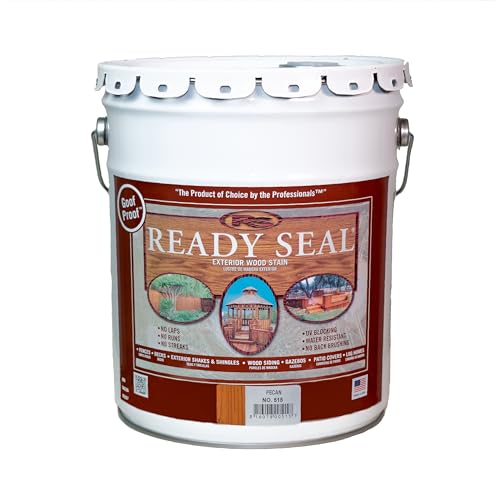
To restore surfaces affected by chlorine, I recommend using a wood stain or color matching pen. First, select a shade that closely resembles the original finish. Apply it gently to the affected areas with a fine brush or pen applicator to blend it seamlessly with the surrounding area.
Steps to Follow
- Clean the area with a damp cloth to remove any dust or debris.
- Test the chosen color on a discreet spot to see how it reacts on the wood.
- If satisfied with the test, proceed to apply the stain to the damaged section.
- Allow it to dry as per the manufacturer’s instructions.
- Once dry, inspect and apply a second coat if necessary to achieve a consistent color.
- Finish with a clear sealant to protect the repair and restore shine.
Alternative Solutions
- For upholstery, consider using a fabric dye that matches the original color. Apply with a spray bottle and blot gently.
- If the surface is laminate, explore touch-up markers specifically designed for laminate finishes.
- In cases of persistent discoloration, using a decorative throw or cover can be an aesthetic solution.
Assessing the Damage of Bleach Stains
Begin with a visual inspection to determine the extent of discoloration. Check not only the surface but also for any underlying effects that might not be immediately visible.
Visual Analysis
- Identify the areas affected–look for patches and color change.
- Consider the type of material: wood, fabric, or synthetic, as the reaction may vary.
- Examine the pattern of the discoloration; it can indicate how deeply the agent penetrated.
Texture and Feel
- Run your fingers over the discolored area. If it feels rough or uneven, the structure may have been compromised.
- In fabrics, assess any loss of thread integrity or texture alteration.
- Check for any unusual odors which might suggest a chemical reaction that needs attention.
Document the damage with photos for comparison and to guide your restoration approach. Collecting this evidence will assist in making informed decisions moving forward.
Choosing the Right Color-Repairing Solution
I recommend selecting a color-matching product specifically designed for the type of surface you’re working on. For wood, a stain or touch-up marker will help blend imperfections, while fabric items are best treated with specially formulated dyes or fabric pens. Always test on an inconspicuous area first to ensure compatibility and desired results.
Color Matching Techniques
Utilizing a color wheel can assist in identifying shades that closely resemble your original finish. For solid colors, refer to the manufacturer’s color codes or samples. For patterned materials, consider taking a sample to a local store for professional advice on the closest match.
Application Tips
Apply the solution with a precise tool, like a fine brush or cloth, to control the amount and ensure accuracy. Layering thin coats allows for better blending and adjustment. Allow each coat to dry thoroughly before adding another, which helps achieve a seamless appearance. By being patient and meticulous, I find it easier to restore the original look without noticeable discrepancies.
Step-by-Step Guide to Color Restoration
First, gather essential items: colorant markers, paint, or wood finish that closely matches the original hue of the surface.
Preparation of the Area
Clean the affected section thoroughly with a soft cloth to remove any dust or debris. Allow it to dry completely before applying any color solution.
Application Techniques
Using a fine brush, carefully apply the matching colorant to the discolored area. For extensive damage, layering may be necessary to achieve an even tone. Let each layer dry before adding more. Additionally, if using a marker, test it on a discreet spot first to ensure a perfect match.
Once satisfied with the color, consider sealing the treated area with a clear protective finish to enhance durability and ensure longevity against future wear.
Applying Finishing Coats for a Seamless Look
For achieving a uniform appearance, I recommend using a clear topcoat compatible with the previous color restoration. This ensures longevity and adds a layer of protection. Select either polyurethane or shellac depending on the desired finish–glossy or matte.
Before application, ensure the repaired area is completely dry and free of any dust. Utilize a high-quality foam brush for a smooth application, which minimizes brush strokes. Apply the finish in thin, even layers to avoid drips, allowing each coat to dry thoroughly before applying the next. I typically apply a minimum of two coats for optimal results.
After the final coat, consider sanding lightly with fine-grit sandpaper between applications. This achieves a smoother surface and better adhesion for subsequent layers. Wipe down the surface with a damp cloth to remove any dust created during the sanding process.
Once fully cured, assess the appearance in various lighting conditions to ensure consistency in coloring and texture. Touch up any areas that may require additional attention with a fine brush to achieve a flawless outcome.
Preventing Future Discoloration on Surfaces
To avoid future issues with discoloration on your surfaces, take proactive steps. Begin by placing coasters under drinks to prevent moisture damage and chemical reactions. Utilize tablecloths or placemats during meals to create a barrier against potential spills.
Choosing the Right Cleaners
Select non-abrasive and pH-balanced cleaning agents for regular maintenance. Always read labels to ensure compatibility with your furniture’s material. Also, test any new products on a hidden area before full application.
Regular Maintenance and Care
Regular dusting and polishing help maintain the integrity of surfaces. Use a microfiber cloth to trap dust instead of spreading it around, and apply protective furniture wax periodically to enhance durability. Keep spaces well-ventilated to reduce humidity levels that can impact wood and fabric.
| Action | Description |
|---|---|
| Use Coasters | Protect against rings and stains from beverages. |
| Select Safe Cleaners | Choose non-toxic, pH-balanced products suitable for your surface types. |
| Regular Dusting | Use microfiber cloths to prevent buildup and damage. |
| Apply Furniture Wax | Enhance protective layers and maintain appearance. |
| Monitor Humidity | Keep environments dry to protect materials. |
A proactive approach ensures that your possessions remain in excellent condition, eliminating worries about unsightly marks in the future.
When to Seek Professional Help for Repairs
If noticeable discoloration persists despite efforts, it’s time to consult an expert. They possess specialized tools and extensive experience in restoring various materials, ensuring optimal results.
Signs a Specialist is Needed
When the surface is deeply altered, such as extensive fading or uneven patches, the expertise of a professional becomes necessary. Indicators include:
- Persistent uneven coloration after DIY interventions.
- Damage affecting structural integrity.
- Valuable or antique items that require careful handling.
Benefits of Hiring an Expert
Engaging a technician can save time and prevent further deterioration. They carry out restoration with a precision that often eludes amateur attempts. Moreover, they can provide preventative measures to protect your belongings from future incidents.


