
 Caleb Turner

Applying a high-quality stain is crucial for enhancing the natural beauty of wood pieces. I recommend using a penetrating oil-based stain, which enriches the grain while providing a durable finish. Begin by testing the stain on a small, inconspicuous area to ensure the desired color aligns with your vision.
Preparation is key. Sand the surface with fine-grit sandpaper to create a smooth texture while ensuring that any previous finishes are completely removed. After sanding, wipe the surface with a damp cloth to eliminate dust particles. This step guarantees an even application and optimal adhesion of the stain.
Once the surface is prepared, apply the stain with a clean cloth or brush, ensuring even coverage. Allow it to soak in for a few minutes, then wipe off the excess. This technique not only prevents blotchiness but also allows you to control the depth of color. After the stain dries, consider sealing the surface with a clear topcoat for added protection and longevity.


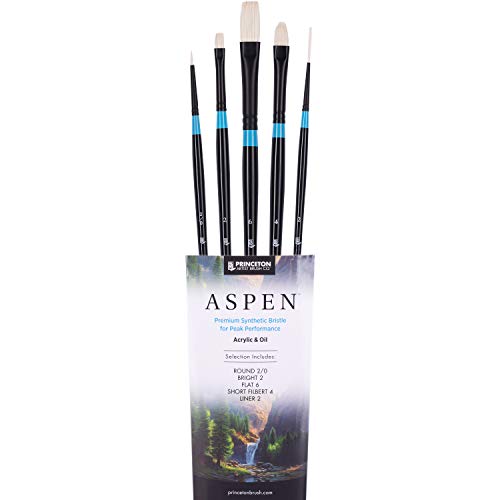
Finishing Techniques for Raw Wood Pieces
I recommend beginning with thorough sanding using fine-grit sandpaper (220-320 grit). This smooths the surface and prepares the grain to accept staining or sealing products more effectively.
After sanding, clean the surface with a damp cloth to remove dust. Let it dry completely before proceeding with any treatment. I prefer using a high-quality wood conditioner prior to staining. This evens out the absorption of any color, ensuring a more uniform finish.
Staining and Sealing Options
Opt for oil-based or water-based stains based on your desired outcome. Oil-based options provide a richer color and longer work time, while water-based types dry faster and are easier to clean up. Apply the stain using a clean rag or brush, and work in manageable sections.
Once the desired hue is achieved, allow it to cure for several hours or overnight, depending on the manufacturer’s instructions. To protect the surface, apply a topcoat such as polyurethane or a similar product. For durability, at least two coats are advisable.
Maintenance Tips
Regular cleaning with a soft, damp cloth helps preserve the appearance. Avoid harsh chemicals and direct sunlight to minimize fading and damage. Reapply the sealant periodically based on the usage and exposure to elements.
| Type of Product | Application Method | Drying Time |
|---|---|---|
| Wood Conditioner | Brush or Rag | 1-2 hours |
| Stain | Brush or Rag | 2-6 hours |
| Topcoat | Brush | 4-8 hours between coats |
Selecting the Right Finish for Pine
Choose a treatment that enhances the grain while providing durability. Oil-based products, such as polyurethane, offer greater resistance to wear and tear, making them suitable for high-use pieces. Water-based options dry faster and emit fewer fumes but may require more frequent reapplication.
Popular Options:
- Polyurethane: Ideal for surfaces prone to spills and scratches.
- Lacquer: Provides a hard, durable surface with a glossy finish.
- Varnish: Offers UV protection, which is beneficial for items exposed to sunlight.
- Natural Oil: Enhances the wood’s natural color and is easy to touch up.
Considerations:
- Determine the level of exposure and use. Dining tables may require more robust options compared to decorative items.
- Test the selected treatment on a small area to observe compatibility with the wood.
- Evaluate the desired sheen–matte, satin, or glossy–to match your aesthetic preferences.
Ultimately, selecting the right product involves weighing aesthetics, functionality, and the intended application.
Preparing the Surface of Pine Furniture
Clean the item thoroughly before applying any treatment. I use a mixture of warm water and mild soap, followed by a rinse. Ensure it is completely dry to prevent moisture issues later.
- Sand the Surface: Begin with 120-grit sandpaper to remove rough spots and blemishes, then gradually move to 220-grit for a smooth finish. Always sand in the direction of the grain.
- Remove Dust: After sanding, vacuum the piece to eliminate dust particles. A tack cloth also works well to pick up fine debris.
- Fill Grain (optional): If you prefer a smoother surface, consider using a wood filler to fill any large pores or imperfections. Apply it with a putty knife and sand once dry.
Inspect for any inconsistencies or leftover blemishes that might need attention. Additional sanding might be necessary for stubborn areas.
Consider using a wood conditioner if planning to apply a stain. This helps achieve an even tone and prevents blotchiness during the absorption process.
Always test products on a small, inconspicuous spot to see how they react with the wood before proceeding with the entire piece.
Choosing the Appropriate Tools for Finishing
I recommend using high-quality brushes and applicators for an even application. For larger surfaces, a foam roller can save time while providing a smooth coating. Always choose brushes with synthetic bristles for water-based products and natural bristles for oil-based alternatives.
Preparation Tools
Prior to applying any protective layers, I found that having sanding blocks and fine-grit sandpaper (220 to 320 grit) is crucial for smoothing surfaces. A vacuum or tack cloth aids in removing dust, ensuring a clean base for any topcoat.
Application Tools
Fluid containment is critical. Use a paint tray for rollers or a small bowl for brushes. For precise applications around edges or details, I prefer a trim brush. If applying a spray finish, a quality spray gun and proper safety gear, including a mask and goggles, are indispensable.
Additionally, investing in a stir stick will help to consistently mix your chosen medium, promoting an even color and texture. For final touches, microfiber cloths are perfect for polishing and cleaning up any drips or mistakes along the way.
Applying Stain: Techniques and Tips
Choose a high-quality stain for optimal results. Gel stains provide better control on vertical surfaces and are less prone to drips compared to traditional liquid options. I prefer applying a test patch on a scrap piece or an inconspicuous area to ensure the desired color.
Use a clean, lint-free cloth or a foam brush for application. Dip the applicator into the stain and wipe off excess to avoid pooling. I apply the stain in the direction of the wood grain, ensuring even coverage. For a deeper color, allow the stain to sit for a few minutes before wiping off the excess.
For multiple coats, I wait for the initial layer to dry completely. This usually takes about 24 hours, depending on the stain type and environmental conditions. Lightly sand the surface with fine-grit sandpaper between coats to enhance adhesion and create a smoother finish.
Consider how different lighting can affect the appearance of the stain. Natural light can reveal color variations, so I always review my work in various lighting scenarios to ensure consistency. If a color is too intense, I can mix it with a compatible stain or apply a wash to lighten it.
Finally, always seal the stained surface with a protective coat after achieving the desired color. This adds durability and enhances the overall appearance. I usually opt for a water-based polyurethane for a clear, non-yellowing finish, which maintains the richness of the stain.
Sealing Furniture with Clear Coats
For optimal protection, I recommend applying multiple layers of a clear coating. This enhances durability while preserving the wood’s natural appearance. Follow these steps for effective sealing:
- Choose the Right Product: Select a high-quality polyurethane or acrylic sealant. Oil-based variants offer a richer matte finish, while water-based options dry faster and emit lower odors.
- Prepare the Application Area: Ensure proper ventilation and lay down drop cloths to protect the surroundings from drips and spills.
- Application Technique: Use a brush or sprayer for even coverage. For brushes, choose synthetic bristles for water-based products and natural bristles for oil-based options.
- Thin Layers: Apply a thin coat, allowing at least two hours for drying between applications. Light sanding with fine-grit sandpaper after each coat enhances adhesion and finish quality.
- Final Touch: After the last coat dries, consider buffing the surface with a soft cloth to achieve a smooth, polished look.
Regular maintenance, such as cleaning with a damp cloth and avoiding harsh chemicals, will prolong the beauty and longevity of the sealant.
Preventing Common Finishing Issues
To avoid blotchiness, always apply a pre-stain conditioner specifically designed for softwoods. This product evenly absorbs the stain and minimizes uneven coloration.
During application, use a lint-free cloth or foam brush to ensure a smooth coat. Avoid applying in high humidity or extremely low temperatures, as these conditions can cause the finish to dry improperly.
Common Issues and Solutions
| Issue | Solution |
|---|---|
| Streaking | Use even strokes and avoid over-applying in one area. Work in sections and blend edges. |
| Cloudiness | Ensure the surface is completely clean and dry before application. Allow adequate drying time between coats. |
| Peeling | Check the surface preparation; sand thoroughly and use appropriate primer if needed. Avoid applying a heavy coat. |
| Drips | Apply a thin coat to start with and always inspect for drips before the finish dries. |
After applying the final coat, allow ample curing time before using the piece. This gives the finish the best chance to bond and remain durable.
Maintaining Finished Wood Pieces
Regular cleaning with a damp cloth helps to remove dust and dirt without damaging the surface. Avoid harsh chemicals; instead, opt for a gentle soap solution as needed. I find that a microfiber cloth works best due to its softness and ability to trap particles without scratching.
Periodic Inspection
Every few months, check for signs of wear, such as scratches or fading. If I notice any blemishes, I address them promptly to prevent further damage. Light scuffs can often be buffed out with fine steel wool and a touch of oil, restoring the integrity of the piece.
Reapplication of Protective Coatings
Every couple of years, I reapply a protective layer, whether it be wax, oil, or a polyurethane coating, to ensure longevity. This process involves thorough cleaning, light sanding to promote adhesion, and applying the chosen product in thin, even layers. Following the manufacturer’s instructions for drying times is key to achieving a seamless finish.
Repairing Scratches and Chips in the Finish
To address scratches and chips, I first assess the damage. For minor scratches, using a touch-up marker that matches the color of the surface can effectively conceal the blemish. Gently fill in the scratch using the marker, applying a small amount of pressure and blending with surrounding areas for a seamless look.
For deeper gouges or chips, I often opt for wood filler. I apply the filler with a putty knife, ensuring it overfills the area slightly. After it dries, I sand it down to be flush with the surrounding area, followed by applying a matching stain for consistency.
Utilizing a Clear Coat
Once repairs are complete, I protect the area with a clear coat. Using a foam brush, I apply a thin layer of finish over the repaired section and feather it out to blend with the existing finish. Depending on the product, I let it cure for the recommended time before assessing if additional coats are necessary for optimal durability.
Final Touches
If the repaired areas still stand out, I may lightly buff the entire surface with fine steel wool or a sanding sponge to achieve a uniform sheen. This not only enhances the appearance but also helps to blend repairs into the overall look of the piece.
Customizing Your Finish: Colors and Textures
Choose a color that complements your décor and personal taste. Experiment with various stains, from classic walnut to rich mahogany or bold hues like navy blue or emerald green. Test samples on a hidden area to gauge how the wood absorbs the color. Keep in mind that select shades enhance the grain while others may obscure it.
For an aged look, consider using a gray wash or pickling technique, applying diluted paint to retain the natural texture beneath. This approach allows the wood’s character to shine through while providing a unique aesthetic.
Exploring textures can elevate your project. Distressing is a popular technique for adding depth. I often use a hammer, chain, or sandpaper to create intentional nicks and scratches, giving the piece a vintage charm. Consider using a wire brush on softwood surfaces to accentuate the grain.
Experiment with different finishes like matte, satin, or gloss. A satin finish offers a subtle sheen, while a gloss finish reflects light effectively, enhancing colors. To achieve a matte look, opt for a product labeled as such; it provides a more casual appearance.
If adding layers, ensure each coat is thoroughly dried before applying another for optimal results. A final coat can include additional color or texture, adding complexity to the overall appearance. Don’t hesitate to mix your materials; blending oil and water-based products can yield unique effects.
For sustainability, consider using natural dyes or eco-friendly stains. They often deliver beautiful results without harsh chemicals. Whichever path I choose, customization transforms ordinary pieces into reflections of my style and creativity.


