Caleb Turner

Begin by assessing each base at the corners of your piece. Use a level tool to identify the high and low points. This straightforward check ensures that you pinpoint where adjustments are necessary, thereby addressing the specific spots instead of making random modifications.
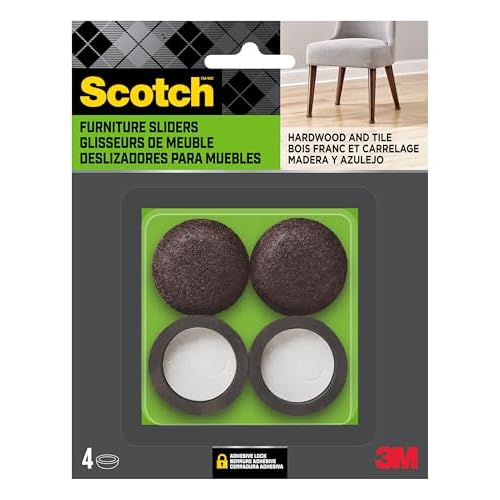
Consider using small adhesive felt pads or rubber coasters as a quick enhancement to irregular surfaces. Applying these under the lower points can raise them slightly, balancing the entire structure without significant effort or expense. Always ensure the surface is clean before application for maximum adhesion.
For a more permanent solution, wooden shims can be inserted beneath low supports. These thin wedges help stabilize the item while offering adaptability for future adjustments. Cut the shims to appropriate sizes and insert them carefully until the stability is achieved.
In cases where height adjustments are crucial, replacing the entire support with adjustable options may offer the best outcome. Adjustable glides or leveling feet come in various designs and heights, providing flexibility for uneven floors. This option not only improves stability but extends the lifespan of your items.


How to Adjust Uneven Supports
For a quick fix, I often use small adhesive felt pads. These pads adhere to the bottom of the shorter support, compensating for height differences without damaging the surface. I apply them strategically to achieve stability.
If more substantial adjustments are needed, a wood shim can be very useful. I slide a shim under the lower support until it aligns perfectly. This method is especially effective for heavier pieces that require a stable base.
Another option involves adjusting the screw-in feet if my piece has them. By twisting these feet, I can raise or lower specific points, providing a personalized level of support that ensures equilibrium.
I also recommend checking the floor surface. Sometimes, uneven flooring can create the illusion of an imbalance. To remedy this, I use a leveling tool to see if the ground itself needs fixing.
In cases where I cannot identify the source of the problem, it might be worthwhile to consult a professional. They can assess the structure and ensure everything is in proper alignment.
Identifying Uneven Furniture Legs
To determine if a table or chair has a wobble, I place the piece on a flat surface, applying gentle pressure. If it rocks back and forth, there’s a high chance that at least one support is out of alignment.
Next, I check each support for stability. I use a measuring tape to assess the height of each support by measuring from the floor to the bottom of the piece. A difference of even a few millimeters can lead to instability.
Tools Needed
| Tool | Purpose |
|---|---|
| Measuring Tape | To measure height of each support |
| Level | To check if the surface is straight |
| Wood Block | For testing individual support lengths |
| Pencil | To mark any adjustments needed |
For a quick visual inspection, I roll a small ball across the surface. If it stops or rolls in a particular direction, the base is likely uneven. After identifying problematic areas, I can then focus on solutions.
Measuring Height Differences Accurately
I use a reliable leveling tool, such as a bubble level or a laser level, to get precise measurements of height discrepancies. First, place the tool on the surface of the item to ensure it’s completely horizontal. Once level, measure the distance from the ground to the bottom of the item at each contact point.
If the piece has irregular shapes or contours, I adjust my measuring technique accordingly, placing a straight edge across the surface and measuring at the highest point of each leg to identify differences more accurately.
I take multiple readings for consistency. Always measure from the same reference point to avoid variations. Document the measurements for each contact point, comparing them to identify the discrepancies. This systematic approach allows me to pinpoint where adjustments are needed.
In cases where dimensions vary minimally, adding small padding materials like felt pads can be a quick solution to create balance without extensive modifications. For larger differences, consider replacing or adjusting the length of the supports for a more permanent fix.
<pLastly, regularly check the surface where the item resides. Floor surfaces can shift over time, affecting how the object sits. If the environment changes, repeat the measuring process to maintain stability.
Selecting the Right Leveling Solutions
To address variances in support points, I often recommend a variety of tools and materials. Consider these options based on the specific scenario:
- Adjustable Feet: These are ideal for items in need of height modifications. They allow precise alterations and are generally easy to install.
- Furniture Coasters: Rubber or felt coasters can offer stability on uneven floors while protecting the surface. They are a quick and low-cost solution.
- Wedges: Wooden or plastic wedges can fill gaps caused by height discrepancies. They can be easily crafted to the required dimensions.
- Shims: Thin materials like wood or metal serve to fill small gaps and create a level base. They can be stacked as necessary for varying heights.
- Leveling Compounds: For permanent solutions, consider using self-leveling compounds on the floor beneath. This method is more labor-intensive and requires careful preparation.
Each of these options serves a specific purpose. Prioritize based on how frequently the item will be moved and how permanent you wish the solution to be. I often keep a selection of these materials on hand for quick adjustments whenever needed.
Using Furniture Pads for Quick Adjustments
I recommend using self-adhesive pads for quick fixes. They are simple to apply, requiring no tools or complicated steps. Start by cleaning the surface of the item that needs support, ensuring it’s free from dust and grime, which will help the pads stick better.
Select a thickness that corresponds to the height discrepancy identified earlier. These pads are available in various materials, such as felt or rubber, providing different levels of grip and cushioning. For harder surfaces like tile or hardwood, rubber pads prevent slipping and add stability.
If you’re working with heavier pieces, consider stacking two or more pads to achieve the desired height. It’s useful to check the balance frequently, as adjustments may be necessary after initial placement. This approach allows for quick modifications without permanent alterations.
For a long-lasting solution, think about using thicker pads or double-sided tape for additional security. This method not only helps stabilize items but also minimizes wear on floors and surfaces, creating a win-win scenario for both support and protection.
Adjusting Built-in Levelers on Chairs and Tables
Inspect the underside of your chair or table for built-in levelers, which are often adjustable. These are typically small screws or knobs located at the base of each leg. Begin by turning the device clockwise to raise the leg or counterclockwise to lower it, ensuring the piece remains stable.
Steps for Adjustment
1. Place a level on the surface to determine the height discrepancies.
2. Adjust each leveler gradually, rechecking with the level after every minor change.
3. Once the adjustments are made, try rocking the item gently to confirm stability.
Tips for Maintenance
Regularly check the condition of these levelers, as wear and tear can affect their performance. If a leveler becomes stripped or damaged, consider replacing it to maintain balance. Additionally, dust and debris can accumulate, so clean the area around the legs periodically for optimal function.
DIY Methods for Custom Leg Extensions
For a straightforward solution, consider using wooden dowels. Cut them to the desired height, then attach them securely to the undersides of your items with wood glue. This method works well if you need a minimal increase in height.
An alternative is to repurpose rubber erasers. Simply trim them to size and attach with double-sided tape. This approach is quick and effective for small adjustments.
Using plastic or metal washers can also offer a suitable solution. Stack them as needed, and place them under the corners of your items to achieve stability.
For a more permanent fix, choose wooden blocks. Sand them down to the appropriate height, then secure them with screws. This ensures a sturdy and lasting adjustment.
Another creative option is to use adjustable feet. These can be purchased at hardware stores and allow for fine-tuning of height, accommodating various floor situations.
Lastly, consider leveling shims made from composite materials. They can be easily cut and shaped to fit the specific requirements of each piece, providing a customized solution.
Preventing Future Unevenness in Furniture
I recommend regularly checking the condition of supports to identify any wear or degradation that may lead to instability. Use silicone sealant or similar materials as a buffer to reduce friction between mismatched surfaces, which can contribute to shifts. Investing in adjustable floor glides can provide a long-term solution for maintaining an optimal balance. When purchasing new items, I prefer models with built-in height adjustability to minimize future complications.
Applying coasters under supports, especially in environments prone to humidity changes, can mitigate the effects of environmental factors. If I notice any minor discrepancies, I immediately adjust the height to maintain a stable base. Keeping the floor surface clean can also aid in preventing debris from altering the position of supports.
Additionally, I use a level tool regularly to check stability, especially after moving pieces around. If a particular area of my space is prone to shifting, I consider placing heavier objects mainly on sturdier sections, ensuring a more balanced arrangement across the room.
FAQ:
What are the common causes of uneven furniture legs?
Uneven furniture legs can result from various factors such as floor irregularities, where the surface is not perfectly level, or natural wear and tear on the legs themselves. Over time, some furniture legs may become damaged or lose their original shape, leading to instability. Additionally, changes in humidity and temperature can cause materials to expand or contract, further affecting the balance of furniture.
What simple methods can I use to level my furniture legs?
One straightforward method to level furniture legs is to use furniture pads. These pads are adhesive and can be stuck to the bottom of legs that are shorter, effectively raising them to the same height as the others. Another method involves using small strips of felt or rubber, cut to size, and stuck to the underside of uneven legs. If the discrepancy is significant, consider adjusting the length of the legs with a saw or purchasing adjustable furniture levelers that fit under the legs to help create an even base.
Can I use DIY solutions for uneven furniture legs?
Yes, there are several DIY solutions for uneven furniture legs. One popular option is to use small blocks of wood or plastic which can be placed under the shorter leg to level it with the others. You can also use shims, which are thin pieces of wood that can easily slide under the leg. Additionally, if you have fabric remnants, you can stack them under the leg. Just ensure whatever method you choose maintains the stability and aesthetic of the furniture.
Should I seek professional help for leveling my furniture legs?
It typically isn’t necessary to seek professional help for leveling furniture legs unless the issue is severe or involves high-value antique pieces. Most homeowners can effectively resolve minor issues using simple tools and materials at home. However, if you have struggled to solve the problem or if the furniture is complex in design, consulting a professional might ensure the job is done correctly without damaging the furniture.