Caleb Turner
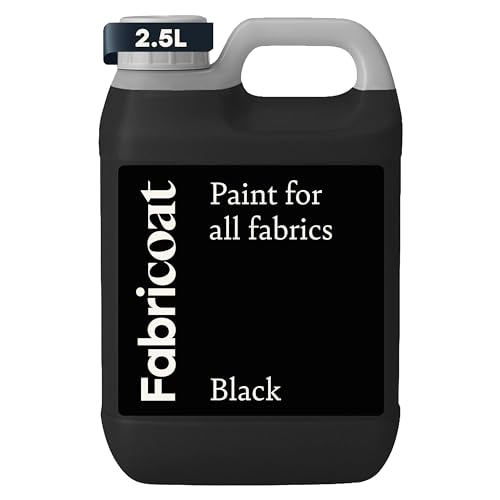
Choose a high-quality outdoor dye specifically formulated for synthetic materials. This ensures excellent adhesion and longevity, contrasting with traditional fabric dyes that may wash out over time.
Prepare the surface meticulously before application. Clean the upholstery thoroughly, removing dirt and stains that can interfere with color absorption. A mixture of mild detergent and warm water usually works well; ensure the fabric is completely dry afterwards.
For the application process, utilize a spray bottle or a sponge to apply the dye evenly. Always test on a small, inconspicuous area first to make certain of the desired shade and that the material reacts well. Layer the color gradually to achieve a deeper hue without overwhelming the texture.


After dye application, allow ample time for the material to set, typically recommended at least 24 hours, before exposing it to moisture or sun. This waiting period is crucial for ensuring the color sets effectively, promoting durability and a refreshed appearance.
Steps for Changing Color on Outdoor Upholstery
Select the right product first. I used a specialized outdoor textile colorant because it’s designed to endure harsh weather. Make sure it’s safe for the material of your seating.
Preparation Steps
Before applying, clean each item thoroughly. I used a mixture of mild detergent and water to remove any dirt or stains. Rinse well and allow the fabric to dry completely.
Cover surrounding areas with plastic sheeting to prevent any accidental staining on nearby surfaces.
Application Process
Mix the colorant according to the manufacturer’s instructions. I found that using a spray bottle provided an even application. In my experience, it’s important to work in a well-ventilated area.
Apply the mixture in light, even coats, allowing each layer to dry before adding more. For richer tones, I applied a second coat after the first one dried.
| Tip | Description |
|---|---|
| Test Spot | Always test in an inconspicuous area first to ensure satisfaction with the color. |
| Equipment | Use gloves to protect hands. A foam brush can also be useful for precision. |
| Drying Time | Let the colored material air dry fully before using. This could take several hours. |
Finally, consider applying a fabric protector after the dye has set. This helps to maintain the new hue and protect against stains and UV damage.
Selecting the Right Fabric Dye for Outdoor Upholstery
Opt for an acid or reactive dye, as these provide greater color retention and stability under UV exposure and moisture. Ensure the dye is specifically formulated for synthetic materials if your upholstery is made of polyester or acrylic.
- Check compatibility: Always verify that the selected dye suits the material type.
- Review colorfastness: Choose brands known for their resistance to fading, especially in outdoor conditions.
- Consider the dyeing method: Some dyes require boiling, while others can be applied in washing machines. Assess your options based on comfort and available resources.
- Purchase extra for touch-ups: Having additional product on hand ensures consistency if future adjustments become necessary.
- Mix carefully: If creating custom shades, mix small batches initially to avoid unwanted results.
Research customer reviews and recommendations to find reliable products. It’s beneficial to select options with high ratings from users who have dyed similar items.
Conduct a test on a small, inconspicuous area to gauge the final color and durability before proceeding with the entire piece.
Preparing the Fabric for Dyeing: Cleaning and Testing
Thoroughly clean the upholstery to remove dirt, grease, and mildew. I soak the material in a solution of warm water and a mild detergent, scrubbing gently with a soft brush. After 15-30 minutes, I rinse well and allow it to air dry completely.
Next, conduct a patch test on a small, inconspicuous area. I apply the chosen coloring product according to the manufacturer’s instructions. This helps ensure color compatibility and allows me to evaluate the final shade. Let the test area dry before assessing the results. If the color satisfies my preference, I proceed to the larger application.
If the sample does not meet expectations, I might adjust the formula or choose a different product. It’s crucial to ensure the chosen pigment adheres to the substrate, particularly for outdoor applications where durability is essential.
After cleaning and testing, it’s advisable to protect the workspace with plastic or old newspapers. Preparing the environment prevents any accidental stains on surfaces not intended for coloring.
Step-by-Step Process for Dyeing Fabric Successfully
Prepare your workspace by covering surfaces with plastic sheets to prevent stains. Ensure adequate ventilation to avoid inhaling fumes from the coloring agents.
Gather materials: choose a large plastic bin or tub for immersion, and acquire gloves to protect your hands. A stirring tool, like a wooden stick, is essential for even distribution during the process.
Before immersion, fill the bin with warm water, ensuring the temperature matches the dyeing instructions. Gradually add the chosen coloring agent, mixing thoroughly until fully dissolved. Conduct a quick test on a small scrap piece of the material to verify the color output.
Submerge the larger piece, stirring continuously for at least 10-30 minutes, depending on the desired shade. Regular agitation promotes uniform coverage throughout the textile. Monitor color retention closely, adjusting time as necessary.
Once the desired hue is achieved, remove the item from the mixture and rinse it under cool water until it runs clear. This step helps remove excess color and prevents bleeding.
After rinsing, run the item through a gentle cycle in the washing machine with a mild detergent to set the color. Dry it according to fabric recommendations, preferably air-drying away from direct sunlight to avoid fading.
Store any leftover dye securely for future use, labeling it for easy identification. Clean your equipment thoroughly to prevent color cross-contamination during future projects.
Choosing the Right Tools and Materials for the Job
Selecting appropriate materials and tools is critical for achieving excellent results in this task. Be sure to gather the following items:
Necessary Tools
- Protective Gloves: Essential for skin protection against chemicals.
- Mask: Helps prevent inhalation of dye fumes.
- Spray Bottles: Useful for applying dye evenly.
- Buckets: Needed for mixing dye solutions and rinsing.
- Paint Brushes or Sponge: Ideal for applying dye in intricate areas.
Suitable Materials
- Colorfast Dye: Choose a product specifically designed for outdoor use; it should resist fading.
- Fixative: This enhances color longevity and stability against the elements.
- Water: Clean, fresh water is necessary for diluting the solution.
- Salt or Vinegar: These may be used as mordants to help set the dye.
Ensure all materials are compatible with your specific upholstery type. Research each product’s instructions to maximize effectiveness. Prior preparation will enable a smoother process and a more satisfying outcome.
Fixing Common Dyeing Mistakes and Issues
Uneven coloring occurs when the solution isn’t adequately mixed or when the material isn’t fully submerged. To remedy this, stir the mix thoroughly and ensure complete immersion, using weights if necessary.
Addressing Stains and Miscoloration
If blotches appear, it’s often due to inadequate cleaning. Clean the upholstery with a fabric-safe detergent before starting. For addressing miscoloration, a second application with a diluted solution can help even out the tones.
Dealing with Fading
If the color fades quickly after application, consider applying a fabric protectant designed to shield against UV rays. Additionally, check if the type of dye is suitable for outdoor exposure; some dyes may require setting agents to enhance durability.
Maintaining Dyed Upholstery for Longevity and Color Retention
Regular cleaning is crucial. Use a mild soap mixed with water to gently scrub the surface, ensuring to rinse thoroughly to avoid soap residue, which can fade hues over time. A soft brush or sponge works best to remove dirt without damaging the fibers.
Opt for UV-protective sprays specifically designed for textiles. These products create a barrier against harmful sun exposure that can significantly deteriorate hues. Reapply every few months to maintain protection.
Storage Tips
When not in use, store items in a cool, dry area, preferably indoors. If outdoor conditions are unavoidable, use protective covers that are breathable to prevent moisture buildup, which can lead to mold and fade colors.
Addressing Stains Promptly
Act quickly on spills. Blot, don’t rub, to prevent stains from setting. Use a fabric-safe stain remover, following the manufacturer’s guidelines, to keep colors fresh and intact. Always test any cleaning product in an inconspicuous area to ensure it doesn’t affect the shade.
By following these maintenance techniques, I ensure that the upholstery remains lively and inviting, sustaining both functionality and aesthetics for years to come.