
 Caleb Turner
Choose a focal point, like a large sofa or a statement chair, to anchor the area. Position this piece against a wall to create an open pathway and make the space feel larger. Select upholstery in lighter shades or with vertical patterns to enhance the sense of height and openness.
Incorporate multi-functional items such as a coffee table with hidden storage or side tables that can be easily moved. This flexibility allows for efficient use of areas without overcrowding the environment. Consider using furniture with exposed legs to maintain sightlines and create an airy feel.
Add layers through accessories like oversized art, mirrors, or shelves that draw the eye upward, diverting attention from the smaller proportions of the space itself. Use color schemes that harmonize and ensure that accessories complement the larger pieces, allowing the whole setup to flow seamlessly.


Maximize Space with Strategic Arrangements
Prioritize placement by positioning larger pieces against walls to free up central areas. This approach creates the illusion of more accessible space while ensuring focus on the room’s layout.
Incorporate multifunctional items. Consider a large sofa that can double as a bed or one with built-in storage. These solutions alleviate clutter and enhance usability without overwhelming the scene.
Utilize vertical space effectively. Opt for tall bookshelves or cabinets that draw the eye upward, directing attention from floor space. This technique visually expands dimensions and creates a unique aesthetic.
Color choice influences perception significantly. Light shades on larger elements can lessen their visual weight, while a striking accent color on smaller accessories adds personality without crowding.
Place mirrors strategically to reflect light and create a sense of depth. A sizeable mirror on one wall serves as an impactful focal point, adding both elegance and spatial enhancement.
Experiment with area rugs. Selecting a larger rug can unify the space, grounding furniture despite its size. This method clarifies zones, enhancing comfort while maintaining balance.
Finally, accessorize wisely. Select fewer, larger decor items to avoid visual chaos. A couple of statement pieces will introduce character while preventing a cluttered appearance.
Choosing the Right Large Furniture for Your Space
Opt for streamlined silhouettes to maximize airiness. Avoid bulky designs that can overwhelm the surroundings. Consider pieces raised on legs; they create an illusion of openness and space.
Scale and Proportion
Measure carefully. Take note of the dimensions of the selected items against the overall area. Choosing a substantial sofa? Ensure it doesn’t overpower other elements. A larger coffee table can serve as a focal point, but it should be proportionate to the seating arrangement.
Multi-functional Options
Select items that serve dual purposes. A spacious ottoman can function as seating or a table, saving both room and resources. Additionally, choose a sofa bed for overnight guests. This approach balances aesthetics and practicality.
| Type of Furniture | Functionality | Ideal Size Range |
|---|---|---|
| Sofa | Seating Area | Minimum Length: 75 inches |
| Coffee Table | Central Accessory | Width: 30-50 inches |
| Ottoman | Seating/Storage | Diameter: 24-36 inches |
| Media Console | Display & Storage | Length: 50-70 inches |
Incorporate light colors or fabrics to keep the ambience bright. Darker shades can make a space feel constricted. Lastly, opt for sleek, minimalist designs that integrate well, enhancing visual flow without creating clutter.
Arranging Big Furniture to Maximize Flow
I prioritize creating pathways that allow for easy movement throughout the space. This can be achieved by positioning larger items away from the entrances and natural walking paths. I often ensure at least 24 inches of clearance for walkways to prevent a cramped feeling.
Creating Zones
Using furniture to define distinct areas serves not only functional purposes but also enhances visual appeal. I position a large couch to face an entertainment unit while placing a coffee table in the center. This encourages conversation and interaction. An additional chair or two can flank the couch, giving a sense of symmetry and providing ample seating.
Utilizing Angles
Arranging oversized pieces at angles can create a dynamic feel, breaking the rigidity of straight lines. I might angle a sectional or armchairs toward each other, softening the space and allowing a more inviting atmosphere. This configuration enhances flow and encourages socialization, making the area feel larger and more cohesive.
Using Color and Textures to Balance Large Pieces
Selecting a cohesive color palette can significantly impact the perception of oversized items. I often recommend choosing lighter shades for walls and larger surfaces. Shades like soft whites, light grays, or pastels can help create an illusion of space and airiness around monumental pieces, allowing them to stand out without overwhelming the area.
Incorporating Textural Contrasts
Add dimension by introducing a variety of textures. Soft textiles like plush throw pillows, knitted blankets, or a shaggy rug can soften the hardness of bulky seating. Incorporating natural elements, such as wooden side tables or woven baskets, introduces warmth and creates a visually inviting atmosphere.
Accent Colors for Cohesion
Use accent colors that resonate within your larger decor. Consider introducing accent pieces like artwork, decorative vases, or cushions that echo the tones found in your oversized items. This not only ties the elements together but also prevents the space from feeling disconnected. A well-chosen color scheme and varied textures foster a harmonious environment, enhancing comfort and style.
Incorporating Multi-Functional Furniture Solutions
Opt for pieces that serve multiple purposes, such as a coffee table that doubles as storage or a sofa bed for guests. This approach maximizes utility without sacrificing style.
Examples of Multi-Functional Options
- Ottomans: Choose ones that open up for storing blankets or books.
- Convertible sofas: Select styles that can be easily transformed into beds or lounge chairs.
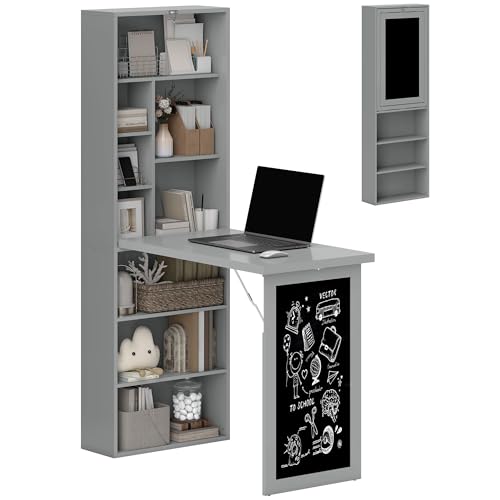
- Wall-mounted desks: Ideal for creating a workspace that can be folded away when not in use.
- Nesting tables: Use smaller tables that can be tucked under larger ones for convenience.
Placement Strategies
- Position multi-functional items near high traffic areas but ensure they do not obstruct movement.
- Place ottomans in front of seating to create a cohesive area while providing additional storage.
- Utilize corners for convertible sofas to maximize open space when not in bed mode.
By thoughtfully incorporating these versatile pieces, you can achieve functionality in a compact area, enhancing the overall flow and aesthetic of your setting.
Creating Visual Distinction with Lighting Techniques
To enhance spatial perception, utilize multiple light sources at varying heights. Install wall sconces or floor lamps to create layers of illumination. This arrangement draws the eye upward, making the area feel larger.
Incorporate Accent Lighting
Consider placing accent lamps on side tables or shelves. Focused light on artwork or decorative items adds interest and depth, guiding attention away from bulky pieces. A dimmable option helps adjust ambiance while fostering versatility.
Use Color Temperature Wisely
Combining warm and cool light sources can alter the mood. Warm whites create a cozy atmosphere, while cooler tones can lend a modern touch. Experimenting with the color temperature of bulbs will influence how large elements are perceived.
Strategically positioning mirrors to reflect light sources enhances brightness and creates an illusion of depth. This trick can significantly complement oversized items, allowing them to harmonize with a well-lit, inviting space.
Enhancing Your Space with Mirrors and Artwork
Integrating mirrors can immediately amplify a space’s sense of openness. Opt for oversized designs that act as statement pieces. Position them opposite windows to reflect natural light or above furniture to create a feeling of depth. Choose styles that complement your existing decor–frame finishes can tie in color schemes or offer contrast.
Artwork is another powerful tool. Curate a gallery wall using various sizes and styles for visual interest. Consider art that resonates personally; this fosters a unique atmosphere. Large-scale pieces work well as a focal point. Place them at eye level to maximize engagement. A single, bold canvas can simplify a busy area while infusing character.
- Use a mix of frames for a more dynamic aesthetic.
- Incorporate 3D elements like wall sculptures to add texture.
- Consider botanical prints or nature-inspired themes to bring warmth.
Strategically placing mirrors and art not only enhances the appearance of your space but also cultivates a personal narrative. It’s about creating layers and inviting viewers to engage with each element fully.
Keep in mind the flow of the area. Arranging these elements thoughtfully ensures they enhance rather than hinder movement. Balancing large pieces with reflective surfaces can harmonize the overall atmosphere, making your environment feel more cohesive.
Utilizing Accessories to Bring Harmony to Your Decor
Integrating textiles such as throws and cushions can significantly soften the presence of oversized seating. Choose complementing patterns or textures that harmonize with your larger pieces while creating a unified look.
Incorporate decorative objects, like vases or sculptures, to add interest at varied heights. This approach draws the eye upward, preventing the space from feeling cramped.
Select area rugs that define zones within your space. A well-placed rug can anchor large items and prevent a disjointed appearance, enhancing the overall organization of your environment.
Utilize wall art in varying sizes to establish visual balance. Large canvases can contrast effectively with substantial items, while smaller pieces can fill gaps and maintain a cohesive aesthetic.
Lighting plays a pivotal role; consider floor lamps with slender silhouettes to illuminate corners without overwhelming the space. Opting for adjustable fixtures can provide versatility and accentuate key areas.
Lastly, greenery cannot be overlooked. Strategically placed plants inject life into your arrangement. Choose taller varieties to create vertical interest and soften harsh lines from larger elements.


