Caleb Turner
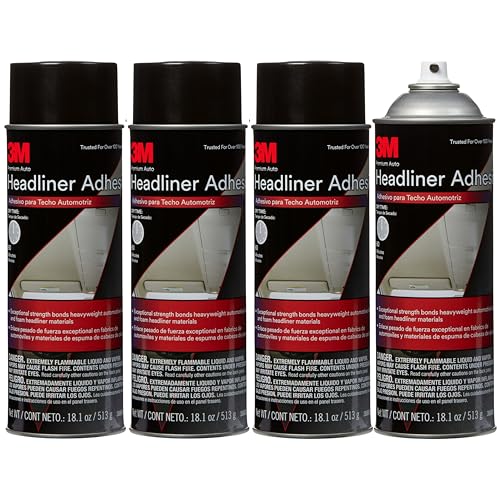
Begin your project by choosing the right material based on its intended use. For areas with high traffic, opt for durable textiles such as canvas or polyester blends. If a soft touch is desired, consider upholstery-grade fabrics that can withstand wear while maintaining comfort.
Measure the surfaces you wish to enhance. Precision in dimensions will ensure that your chosen cloth fits snugly without excess. I often use a measuring tape to outline each section, marking the fabric accordingly to avoid mistakes during cutting.


Before applying, prepare the surface by cleaning it thoroughly. Remove dust or grease to enhance adhesion. For wooden or glossy finishes, a light sanding might be necessary to allow materials to grip effectively.
Employ a strong adhesive specifically designed for use with textiles. Spray adhesives work well, but don’t forget to follow safety instructions and ventilation guidelines. I find that applying a thin layer and allowing it to become slightly tacky before positioning the cloth yields the best results.
As you adhere the fabric, start from one end and work your way across. Smooth out any bubbles or wrinkles using a soft cloth or your hands, ensuring a neat finish. For edges, securing with staples or a hot glue gun can provide additional support.
Finally, trim any excess material and finish edges to prevent fraying. A simple fold and stitch or using fabric glue can give your project a polished look. Enjoy your revamped pieces that now showcase your personal style!
Transforming Your Pieces
Begin by selecting an appropriate material that complements your existing color scheme. Choose patterns or textures that enhance the ambiance of the space. For an elegant touch, consider upholstery options such as velvet or linen.
Preparation Steps
- Remove any hardware or cushions to simplify the process.
- Thoroughly clean the surfaces to ensure proper adhesion.
- Measure each section for accurate fabric sizing.
Application Techniques
- Cut the chosen material to fit the dimensions, adding a few extra inches for wrapping around edges.
- Use a heat-activated adhesive or staple gun, applying firmly to secure the edges.
- Finish by adding foam or batting to soften hard surfaces before attaching fabric.
Regularly check for any loose areas and reinforce as necessary to maintain durability. This method not only revitalizes but also protects your items, extending their lifespan.
Choosing the Right Fabric for Your Furniture
Select a durable material if you have pets or children. Options like microfiber or synthetic blends resist stains and wear better than delicate fabrics.
Consider the texture for comfort. Velvet provides a luxurious feel, while linen offers a more casual look. Think about how the surface will complement your living area.
Evaluate color and pattern in relation to your existing scheme. A bold print can serve as a statement piece, while solid colors provide versatility.
Check the maintenance requirements. Some textiles require dry cleaning, while others are machine washable, affecting my choice based on my lifestyle.
Test samples in the intended space. Natural light alters appearance, so view options at different times of day to ensure I achieve the desired effect.
Assess the weight of the chosen textile. Lighter fabrics may drape elegantly, while heavier weaves offer structure and can hold up against frequent use.
Research fabric ratings for durability if the piece will see heavy use. Look for materials rated for high abrasion resistance.
Prioritize personal preference. Ultimately, I choose what resonates with my taste and complements my unique style.
Prepping Furniture Before Applying Fabric
Ensure the surface of your piece is clean and dry. Use a damp cloth to wipe away dust and grime, allowing it to dry completely. Any foreign particles can interfere with adhesion.
Removing Old Upholstery
If your selection involves an existing covering, carefully take it off. Use a staple remover for staples and scissors for fabric. Take care not to damage the underlying structure. Document the removal process; this can guide you during reapplication.
Inspecting and Repairing
Examine the frame for any damage. Tighten loose joints and fill in cracks or holes with wood glue or filler. Sand any rough patches to achieve a smooth surface. Testing stability before proceeding is wise; a solid base enhances longevity.
If required, apply a primer to certain surfaces, especially if switching from a darker material to lighter options. This can facilitate better adherence and color retention.
Consider using a fabric treatment to enhance durability against stains and wear. Such treatments can prolong the aesthetic appeal of your chosen material.
Step-by-Step Guide to Covering Surfaces
Measure the area precisely before cutting. Ensure you account for extra fabric to wrap edges securely. A good rule of thumb is to add at least 2-3 inches on all sides to your measurements.
Cut your chosen textile according to the measurements. Use sharp fabric scissors for clean edges. A rotary cutter can also be helpful for larger pieces.
Use a spray adhesive or a staple gun to affix the material. For larger surfaces, start at the center and work towards the edges, smoothing out wrinkles. Ensure uniform tension to avoid unevenness.
For corners, fold the excess neatly and secure it. A miter fold can provide a professional finish at the corners, ensuring a clean and crisp appearance. Use additional staples or adhesive as needed.
Finish edges with trim or piping as desired. This can enhance the aesthetic appeal and hide raw edges. Choose a contrasting or complementary color to add flair.
Allow the adhesive to cure or dry fully before use. Follow the manufacturer’s instructions for drying time to ensure durability.
| Step | Description |
|---|---|
| 1 | Measure the area accurately, adding extra for folding. |
| 2 | Cut the textile with sharp scissors or a rotary cutter. |
| 3 | Affix the material starting from the center outwards. |
| 4 | Neatly fold corners and secure them for a polished finish. |
| 5 | Enhance edges with trim or piping for visual appeal. |
| 6 | Allow adhesive to dry fully before using the surface. |
Techniques for Securing Fabric to Furniture
Choosing the right method to secure your chosen textiles is crucial for longevity. I recommend starting with a staple gun. This tool allows for quick and firm attachment to wooden surfaces. Ensure that the staple is flush with the wood to prevent snagging.
An alternative approach is using liquid fabric adhesive, particularly on non-wooden surfaces. Apply a thin, even coat for a strong bond, allowing sufficient drying time based on the manufacturer’s instructions. Ensure the edges of the textile are secured well to avoid lift during use.
Using Tacks and Upholstery Nails
For a decorative touch, consider tacks or upholstery nails. These create a distinct look while securing the material effectively. Space them evenly along edges for a professional finish. Pre-drill holes in the wood to simplify this process and prevent splitting.
Velcro Strips for Easy Removal
If you anticipate needing to replace the covering frequently, Velcro strips offer a flexible solution. Attach one side to the surface and the corresponding side to the fabric. This method allows for easy adjustments or full fabric swaps.
Whichever technique you select, always ensure that the fabric is pulled taut. This prevents sagging and enhances the overall appearance.
Adding Finishing Touches for a Professional Look
To elevate the outcome of your transformation, consider the addition of trims and decorative elements. Applying bias tape or piping along the edges can create a crisp, tailored appearance. Opt for colors that complement or contrast beautifully with the main covering, helping to define the contours of the piece.
Incorporating Accessories
Hardware such as buttons or decorative studs can enhance visual interest. Attaching them strategically can draw attention to key areas, like seams or corners. Use these accents sparingly to avoid overwhelming the overall design.
Final Smoothing and Treatment
Once the surfaces are covered, iron the fabric carefully to eliminate any wrinkles. A fabric spray or upholstery sealant can be beneficial for protecting the surface and prolonging wear. Following these final steps ensures a polished finish that showcases your craftsmanship.
Maintaining Fabric-covered Pieces for Longevity
Regular care is key to keeping these pieces looking fresh and vibrant. Here are specific actions I take to ensure durability:
- Vacuum Frequently: I use a handheld vacuum or an upholstery attachment to eliminate dust and debris.
- Spot Clean Immediately: For spills, I dab gently with a clean cloth. Using a mixture of mild soap and water can help lift stains.
- Rotate Cushions: I turn and flip cushions periodically to promote even wear. This simple step helps maintain shape and comfort.
- Use Fabric Fresheners: A fabric-safe freshener can keep surfaces smelling pleasant. I apply it sparingly to avoid buildup.
Protecting Against Fading and Damage
To minimize exposure to harmful elements:
- Limit Sun Exposure: I keep items out of direct sunlight or use window treatments to protect against UV rays that can cause fading.
- Avoid Moisture: For areas prone to humidity, I consider using a dehumidifier to prevent mold and mildew from setting in.
- Invest in Fabric Protectors: Applying a protective spray can create a barrier against stains and spills, which I find beneficial for high-traffic areas.
Pursuing these simple yet effective methods keeps my upholstered treasures in prime condition for years to come.