
 Caleb Turner

Integrate lighter wall tones to create a striking contrast against the rich hues of the cabinetry and decor. Soft shades such as creams or pale grays allow the solidity of the wooden pieces to stand out, adding depth and character to the environment.
Choose textiles wisely. Incorporate fabrics in earthy colors or gentle patterns to soften the appearance and maintain a cozy atmosphere. Throws, cushions, and curtains in muted shades can complement the strength of the timber while enhancing the overall aesthetic.
Consider utilizing accent pieces, like brass or gold elements, to introduce a touch of elegance. Metallic accents drawn through light fixtures or decorative items will not only harmonize with the darker tones but also elevate the space, giving it a polished finish.
Plants can infuse life into the setting. Greenery brings vibrancy and freshness, beautifully contrasting with the weightiness of the wood. A combination of larger pots and smaller arrangements can create a dynamic visual that breathes warmth into the interior.
Transforming a Space Featuring Deep-Hued Wood Pieces
I recommend incorporating lighter shades in textiles to soften the ambience. For bedding, opt for whites, creams, or pastel tones to create contrast. Consider using texture through throws, cushions, and quilts for added warmth.
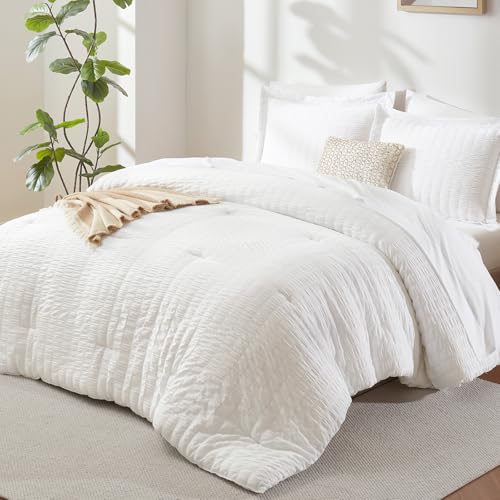


Layering rugs can enhance comfort while providing visual interest. A jute or neutral-toned piece can harmonize beautifully with the richness of the wood elements.
- Pair with wall art featuring bright colors or soft patterns to uplift the atmosphere.
- Add greenery through plants or fresh flowers for a natural touch that contrasts with the heavy tones.
- Select drapery in sheer, light materials to maintain brightness while ensuring privacy.
Utilize mirrors strategically to reflect light; this can help open up the space and make it feel more expansive.
Accessorizing with metallic or glass accents can introduce a modern flair. Think of decorative lamps or picture frames that add a hint of shine against the rich wood.
- Experiment with accent chairs in light fabrics or bold colors.
- Incorporate shelves or artwork that utilize contrasting shades and materials.
- Choose a statement piece, such as a vibrant headboard or artwork, to create a focal point in the room.
Consider ambient lighting to create a cozy atmosphere, using warm-toned bulbs to complement the wood’s depth.
Choosing a Color Palette to Complement Dark Brown Furniture
Opt for warm neutrals to create a mellow environment. Shades like beige, taupe, and cream harmonize beautifully, offering a contrasting lightness that balances the richness of deep tonality.
Introduce soft pastels for a hint of color. Light shades of blue, lavender, or mint can infuse freshness, working well against the darker surfaces while maintaining a calming ambiance.
To enhance elegance, consider jewel tones. Emerald green, sapphire blue, or rich burgundy can add sophistication, enriching the overall visual appeal and creating a plush atmosphere.
Incorporate accent colors through textiles. Use pillows, throws, or a rug in complementary hues like mustard or rust to inject personality without overwhelming the space.
Utilize a monochromatic scheme by selecting varying shades of brown. This provides depth while maintaining a cohesive and serene appearance.
| Color Type | Examples | Effect |
|---|---|---|
| Warm Neutrals | Beige, Taupe, Cream | Balances richness, creates a cozy feel |
| Soft Pastels | Light Blue, Lavender, Mint | Adds freshness, maintains calm ambiance |
| Jewel Tones | Emerald Green, Sapphire Blue, Burgundy | Enhances elegance and sophistication |
| Accent Colors | Mustard, Rust | Injects personality, adds visual interest |
| Monochromatic | Various Browns | Adds depth, ensures cohesive appearance |
Incorporating Textures for a Cozy Atmosphere
To create warmth and comfort, I recommend layering various textures throughout the space. Start with textiles like plush throw blankets and decorative pillows in rich fabrics such as velvet or faux fur. These can contrast beautifully against your sleek pieces, enhancing the overall coziness.
Utilizing Rugs Effectively
Choosing an area rug with a high pile can add depth and softness. Natural fibers such as wool or thick cotton are ideal, as they invite bare feet to sink in. A neutral or warm-toned rug can anchor the look while maintaining harmony.
Accent with Natural Elements
Incorporating wooden or woven elements can bridge various textures. Consider introducing wicker baskets for storage or a rattan armchair to add a natural touch. Additionally, ceramic or stone decorative pieces can provide a nice contrast to the wooden textures. Integrating plants can also enhance the ambiance, introducing a lively texture and a splash of color.
Selecting the Right Bedding for Dark Brown Furniture
Opt for lighter shades like cream, soft beige, or pastel hues to create a striking contrast. These colors not only brighten the space but also offset the rich tones of wooden elements, adding a fresh touch.
Consider Textures and Patterns
Incorporate various textures such as linen, cotton, or a plush quilt. Mixing textures contributes to visual interest and comfort. Patterns like subtle stripes or floral prints can harmonize beautifully; just ensure they align with the overall aesthetic.
Layering for Depth
Create depth by layering different bedding pieces. Start with a solid sheet set, add a patterned duvet cover, and finish with a textured throw blanket or decorative pillows. This approach not only adds warmth but also invites a sense of coziness and richness to the overall look.
Utilizing Lighting to Enhance Dark Brown Furniture
Incorporating various light sources transforms the ambiance around rich wood tones. A combination of ambient, task, and accent lighting creates depth and interest.
Layered Lighting Approach
Begin with overhead fixtures as your primary light source, such as chandeliers or flush mounts, to offer widespread illumination. Choose warm-toned bulbs to complement the wood’s natural hues. Follow this with table lamps and floor lamps, strategically placed beside seating areas or nightstands, for targeted lighting. Dimmable switches enhance mood variation, allowing control over brightness in different settings.
Accent Lighting Techniques
Integrate accent lights to spotlight artwork and accessories near the furniture. Wall sconces can frame the space and draw attention to features, while LED strip lights under shelves or behind headboards add a modern touch. Experiment with directionality; directing light at angles can enhance the textures of surfaces, enriching their visual appeal.
Arranging Furniture for Optimal Space Utilization
Position larger items against the walls to maximize central space. This method creates a more open atmosphere and provides room for movement. Place the bed in the most visually appealing spot, ideally the focal point of the space, yet ensure there’s easy access on both sides. If possible, choose a layout that allows for bedside tables for additional functionality.
Utilize multifunctional pieces like ottomans with storage or a folding desk to maintain a clutter-free area. Position seating close to the bed for convenience. Ideally, a corner chair or small loveseat should provide comfort without overpowering the space. This arrangement encourages a cozy vibe while retaining practicality.
Consider the flow of traffic. Ensure pathways are clear, especially in frequently traversed areas. Arranging items to facilitate seamless movement helps establish an inviting environment. Using area rugs can also define spaces while adding warmth and softness underfoot.
In smaller areas, consider vertical space. Tall bookshelves or wall-mounted shelves can draw the eye upward, giving the illusion of a larger room. Utilizing under-bed storage keeps necessary items accessible while maintaining aesthetic appeal. Mirrors placed strategically can reflect light and create a sense of depth.
Lastly, don’t hesitate to experiment. Rearranging furniture can reveal new possibilities for functionality and enhanced style. Refine the layout until achieving a balance of comfort and utility tailored to individual needs.
Adding Decorative Accessories that Contrast with Brown
Incorporating accessories that add contrast can significantly elevate the aesthetic of your space. Opt for vibrant shades like teal or coral through throw pillows and artwork. These colors pop against darker tones, creating a lively atmosphere.
Accent Pieces
Consider introducing metallic elements such as gold or silver in decorative objects. A metallic lamp or picture frames can introduce an elegant touch. Mirrors are also effective; they reflect light and visually expand the room, offering a brighter appearance.
Layered Textiles
Utilizing varied fabrics, like a chunky knit throw or a sleek satin duvet, enhances visual interest. Choose lighter hues for these items to maintain a sense of balance. Patterns, such as geometric or floral designs, can also punctuate the space and provide depth to your overall look.
Incorporating Artwork to Balance the Room’s Aesthetics
Selecting the right pieces of art can harmonize and elevate the ambiance of spaces adorned with rich, deep tones. I recommend choosing artwork that introduces lighter shades or contrasting elements. Abstract pieces with whites, creams, or soft pastels can create a pleasing contrast against the darker elements in your room.
Framing Techniques
<p.Using frames in lighter woods or metallic finishes can complement both your art and existing elements. Avoid heavy, ornate frames; opt for sleek, contemporary designs to maintain a modern feel. This choice not only highlights the artwork but also ties it seamlessly into the overall decor.
Gallery Wall Considerations
<p.Arranging a gallery wall offers flexibility in displaying multiple pieces. Mix sizes and orientations for visual interest. Remember to keep a consistent theme or color story across pieces: prints that share a similar color palette can unify the arrangement, preventing any disjointed feelings in decorated areas.
Maintaining Harmony with Flooring and Carpets
Choosing the right flooring and carpets is crucial for seamless integration with rich wooden elements. Consider these tips:
- Color Coordination: Opt for lighter shades of wood or laminate that contrast yet complement the deeper tones of your pieces. Honey or light oak can provide an inviting contrast.
- Carpet Selection: Plush or low-pile carpets in neutral tones like cream or beige can soften the overall look while ensuring that the space feels open and airy.
- Patterned Options: Subtle patterns, such as soft geometric designs, can add depth and interest without overwhelming the space.
- Rug Placement: Layer rugs on hard surfaces to create cozy zones. Persian or tribal patterns in warm hues can introduce a splash of color while maintaining elegance.
- Hardwood Integration: If hardwood floors are present, consider using a similar tone to furniture for a harmonious flow. Natural finishes enhance the warmth and create unity.
- Flooring Finishes: Matte finishes reduce glare and add richness that complements traditional wood aesthetics.
Thoughtful choices here can make your area feel cohesive and inviting, emphasizing the warmth of each element harmoniously.
FAQ:
What color schemes pair well with dark brown furniture in a bedroom?
Dark brown furniture can be complemented by a variety of color schemes. Soft neutrals like beige, cream, and light gray create a calm and cozy atmosphere. For a more dramatic look, rich colors such as deep teal, burgundy, or mustard yellow work well. You can also use lighter shades of these colors for accents through decor and textiles to maintain balance. Adding white or light wood accents will help brighten the space and prevent it from feeling too heavy.
How can I add color to a bedroom with dark brown furniture?
To introduce color into a bedroom featuring dark brown furniture, consider using colorful bedding, throw pillows, and curtains. Artwork and decorative pieces such as vases or wall art can also add vibrant accents. Opt for a bright area rug that contrasts with the dark furniture, drawing attention to the floor and making the space feel warmer. Plants can also bring in natural color and life, creating a fresh ambiance.
What lighting options work best in a room with dark brown furniture?
In a bedroom with dark brown furniture, it’s important to choose lighting that softens and complements the richness of the wood. Warm-toned bulbs create a cozy atmosphere, while lampshades in light colors can help diffuse light. Consider using floor lamps, table lamps, or wall sconces with softer shades. Additionally, overhead lighting should not be overly harsh; dimmable options can offer versatility for different moods.
Are there specific styles of decor that pair nicely with dark brown furniture?
Several decor styles harmonize with dark brown furniture. Rustic or farmhouse styles work beautifully, incorporating natural elements like wood and soft textiles. Bohemian decor can add a touch of color and pattern, contrasting nicely with the dark brown. For a more modern approach, consider minimalist designs with sleek lines and fewer accessories, allowing the furniture to be a statement piece. Scandinavian decor, with its focus on light and space, can also provide balance and warmth.
How can I make a small bedroom with dark brown furniture feel larger?
To make a small bedroom with dark brown furniture feel more spacious, focus on light colors for the walls and bedding. Mirrors can create an illusion of depth and openness, so consider placing one opposite a window to reflect light. Keep the decor minimal to avoid visual clutter, and use multifunctional furniture to save space. Additionally, painting the ceiling a lighter color can draw the eye upward, contributing to a sense of height in the room.
What color schemes work best with dark brown furniture in a bedroom?
When decorating a bedroom with dark brown furniture, color schemes that typically complement the rich, warm tones include light neutrals, soft pastels, and cooler shades. Light beige, cream, or soft white can create a bright contrast that helps to lighten the overall atmosphere of the room. If you’re looking for something with more depth, consider soft blues or greens to bring a calming effect. Accent colors such as mustard yellow or burnt orange can add a touch of vibrancy while still harmonizing with the brown furniture.
How can I enhance the ambiance of a bedroom furnished with dark brown pieces?
To enhance the ambiance of a bedroom with dark brown furniture, consider using layered lighting, such as bedside lamps, overhead fixtures, and accent lights to create a warm and inviting atmosphere. Adding textiles like light-colored bedding, soft throws, and decorative pillows can provide contrast and texture, making the room feel cozier. Incorporating natural elements, like plants or wooden accents, can also soften the space, while mirrors can help reflect light and make the room appear larger. Choosing artwork or decorative items that incorporate both the dark brown tones and lighter shades can tie the overall look together beautifully.


