
 Caleb Turner

I always recommend beginning with a clear plan. Identify the pieces that truly serve a purpose and those that simply occupy space. Each item should evoke either functionality or joy. If it doesn’t, it’s time to reconsider its place in your abode.
Next, categorize your items. Divide them into sections based on their usage–daily, occasional, and seldom-used. This method allows for a more organized approach, making it easier to see what can be removed or repurposed.


For those items that you no longer need, consider various options. Donation, resale, or recycling can offer new life to objects that have outlived their usefulness in your environment. Take the time to photograph sentimental pieces before parting with them, so you can cherish the memories without the physical burden.
Once you’ve reduced the excess, focus on arrangement. Optimal placement can enhance both functionality and aesthetics. Ensure walkways are clear and that frequently used items are easily accessible. This will create a more inviting and practical living area.
Regular maintenance is key. Schedule a seasonal review of your surroundings to prevent future accumulation. Keeping only what adds value to your life will lead to a more serene and manageable living space.
Practical Tips for Streamlining Your Space
I recommend assessing each piece carefully, considering its functionality and emotional value. Create a checklist: does it serve a purpose, enhance the aesthetic, or spark joy? If it lacks any of these qualities, it might be time to part ways. One effective method is the 90-day rule; if you haven’t used it in three months, list it for sale or donate it.
Organizing Strategies
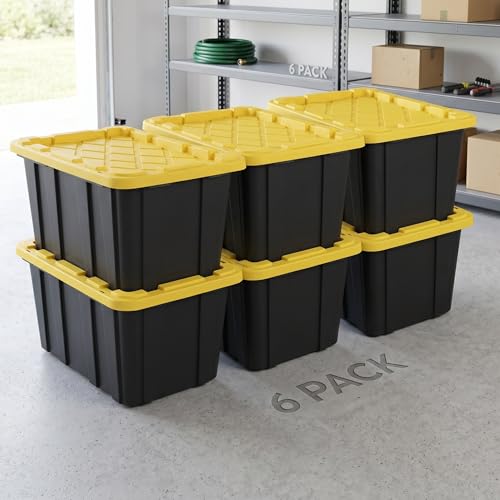
<p arrange items by category, not by location. Group similar objects together to identify excess. For instance, if you have multiple decorative items that overlap in purpose, consolidate them to create a more harmonious look. Use boxes or bins to store smaller items, making them accessible yet out of sight.
Maintenance Routine
Establish a regular upkeep plan. Schedule monthly reviews of your surroundings to prevent accumulation. Set specific time slots to revisit your choices; this helps ensure you stay committed to a streamlined environment. Remember, consistency is key to maintaining a spacious and inviting atmosphere.
Identify Unused Furniture Pieces
I assess every item with a critical eye, focusing on pieces that haven’t seen the light of day in months. I ask myself if each item serves a purpose or if it’s merely taking up space. If a chair or table is more of a decorative piece and not used regularly, it may be time to consider its departure.
Evaluate Frequency of Use
I keep track of which items I use daily, weekly, or occasionally. If certain pieces are confined to the corner, collecting dust, they likely no longer fit my current needs. I find it helpful to make a list categorized by usage frequency. This visual inventory aids in making informed decisions on which items to let go.
Assess Sentimental Value
I reflect on emotional attachments to pieces, determining if they hold significant memories or if they simply clutter my space. Sometimes, I take a photo of sentimental items before parting with them, allowing me to preserve the memory without the physical object. This strategy helps me feel more comfortable letting go of the item itself.
Set Clear Decluttering Goals
I focus on defining specific, measurable objectives before I begin the process. My first step is to determine what I want to achieve–whether it’s clearing out items that don’t fit my style, making space for new acquisitions, or optimizing room layouts. This clarity guides my decisions.
I break my main goal into smaller tasks. For example, if I aim to create more open space in my living area, I list out particular pieces to assess and decide their fate one at a time. This method reduces overwhelm and makes each decision feel more manageable.
<pI set a timeline for my goals. I allocate specific days or weekends dedicated to each area. Knowing when I’ll tackle each segment keeps me accountable and motivated. If I plan to rearrange my bedroom, I earmark a Saturday for sorting through the items in that space.
Lastly, I keep track of my progress. I find it helpful to take before-and-after photos to visualize results. Documenting my achievements reinforces my motivation and helps me recognize the impact of my efforts. By setting clear goals, I transform what could be a chaotic endeavor into a structured, rewarding process.
Sort Items by Use and Value
I categorize possessions based on their practicality and significance. Begin by creating two separate groups: one for everyday essentials and the other for rarely used items. Take a look at each piece and assess how often it comes into play. If I find it hasn’t been touched in the last six months, it likely falls into the second category and can be considered for removal.
Evaluate Practicality
For the items used frequently, I ensure they serve their purpose efficiently. Items that are important but used less often can be stored neatly, but those that lack utility should be reassessed. If they are not functional in my daily life, it might be time to part ways.
Determine Emotional Value
Sentimental pieces deserve special attention. If an item carries significant emotional weight, I keep it, but if it’s a mere reminder without much attachment, it can go. Balance is key: I want to retain the meaningful pieces while minimizing the clutter that lacks genuine significance.
Choose a Method for Disposing of Unwanted Furniture
First, evaluate local charities that accept pieces in good condition. Donating can benefit others and create space in my home simultaneously.
If donating isn’t an option, I consider selling through online marketplaces or garage sales. Listing items with clear photos and descriptions often helps recoup some investment while clearing my space.
For damaged or unusable items, contacting waste management services or looking into bulk pick-up days is essential. Many municipalities offer specific days when larger items can be placed on the curb for collection.
Another approach is to upcycle. I can transform or repurpose unwanted pieces into something useful or decorative, turning potential waste into a creative project.
Finally, recycling metal or wood components through specialized facilities can ensure materials are reused responsibly. Finding local recycling centers is key for this method.
Organize Remaining Pieces for Optimal Use
To maximize the functionality of kept items, consider arranging them according to frequency of use. Place pieces that are accessed daily in easily reachable locations. For example, a coffee table should be in close proximity to seating, while occasional tables can be pushed to the back or corners.
Create Unique Zones
Designate specific areas for different activities. For instance, a reading nook might include a comfortable chair and a side table for books and beverages. This method ensures that each section of the room serves a distinct purpose, reducing clutter and improving usability.
Utilize Vertical Space
Incorporate shelving units to store items off the floor. This technique provides additional space for decorative objects or essential supplies without sacrificing ground area. Keeping items vertical makes the environment feel more spacious and organized.
| Item Type | Recommended Placement |
|---|---|
| Daily Use | Accessible areas |
| Occasional Use | Less accessible zones |
| Decorative Pieces | Vertical shelves |
| Supplies | Under furniture or in cabinets |
With a strategic setup, I create a more inviting and functional living space, allowing me to enjoy the ambiance without feeling overwhelmed by unnecessary items. Regularly reassessing this arrangement keeps it efficient and tailored to my needs.
Replace Overly Large Furniture with Space-Saving Options
Opt for multi-functional pieces that serve more than one purpose, such as a sofa bed or an ottoman with storage. These options not only maximize utility but also reduce the need for additional items.
Consider Modular Designs
Modular furniture can be rearranged to fit various layouts and needs. This flexibility allows me to adapt the space based on activities or gatherings without committing to bulky, permanent installations.
- Select modular seating that can be easily moved and reconfigured.
- Look for tables with extendable options for entertaining guests.
- Use shelves that can be stacked or combined for added vertical storage.
Choose Lightweight Alternatives
Investing in lightweight materials makes relocating pieces simple. I prefer items that are easy to lift and move, enabling quick adjustments to the arrangement as needs change.
- Explore materials like bamboo or lightweight metals for durability.
- Seek out furniture with built-in wheels for added mobility.
- Assess the weight and dimensions to ensure easy handling.
Ultimately, swapping out oversized items for smarter, space-efficient designs cultivates a more open and inviting atmosphere. This approach not only enhances functionality but also boosts the overall aesthetic of my environment.
Utilize Vertical Space for Additional Storage
Incorporating tall shelving units or wall-mounted storage can dramatically increase storage capacity without sacrificing floor space. Floating shelves are ideal for displaying books, decor, or plants, while also keeping items off surfaces. Consider using vertical racks in closets or wardrobes to maximize storage for clothes and accessories.
Install Hooks and Pegboards
Utilizing hooks or pegboards on walls offers immediate solutions for hanging items. This is particularly useful in entryways for bags or coats and in kitchens for utensils or pots. I’ve found that pegboards can be customized according to my needs, giving me the flexibility to rearrange my storage as required.
Optimize Cabinets
Adjustable shelving within cabinets can create additional levels for storing various items. Using stackable bins or organizers allows me to categorize and access items easily. Keeping frequently used items at eye level minimizes the need to dig through clutter, streamlining my organization process.
Establish a Routine for Ongoing Organization
I schedule regular intervals to maintain the orderliness of my living space. Each week, I dedicate one hour specifically for this purpose. During this time, I focus on a particular area or category of items. This approach prevents accumulation and encourages consistent care.
- Every Sunday, I review my daily activities and identify any pieces that no longer serve a purpose.
- I use a checklist to guide my examination, ensuring no item goes unnoticed.
- At the end of each month, I assess the effectiveness of my system, adjusting as needed to enhance productivity.
If I bring in a new item, I make it a rule to remove something else. This principle of “one in, one out” helps me monitor my possessions actively. I also keep a donation box handy for items I decide to part with during my weekly sessions.
Joining a online group focused on minimalism can provide inspiration and accountability. Sharing my progress and challenges encourages commitment to my objectives.
Additionally, utilizing digital tools like reminders can assist in keeping my routine on track. Setting alerts for specific dates reminds me to review my space and intentions regularly.


