
 Caleb Turner
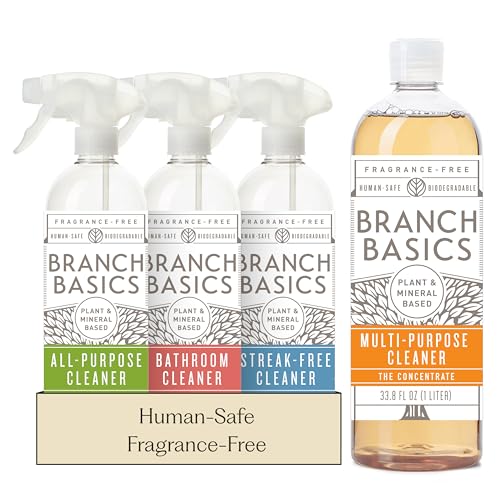
Mix equal parts of distilled water and white vinegar in a spray bottle. This solution will effectively remove smudges and fingerprints while being gentle on surfaces. Apply it to a microfiber cloth instead of spraying directly on the surface to prevent any streaking.
For tougher stains, create a paste using baking soda and water. Gently rub the paste on the affected area with a soft cloth. Avoid using abrasive materials, as they can scratch the finish. Rinse the area with a damp cloth afterward to ensure no residue remains.
To maintain a radiant appearance, consider using a specialized polish designed for glossy finishes. Apply a small amount to a microfiber cloth and buff the surface in circular motions. This not only enhances shine but also creates a protective layer against future smudges.
Regular dusting with a dry microfiber cloth is essential in prolonging the life of shiny surfaces. Incorporate it into your weekly cleaning routine to keep surfaces looking immaculate. Avoid ammonia-based cleaners, as they may dull the sheen over time.


Cleaning Techniques for Glossy Surfaces
Use a microfiber cloth, as it efficiently captures dust and debris without scratching. I prefer slightly dampening the cloth with distilled water for a better result.
For stubborn stains, a mixture of mild dish soap and water works wonders. I combine one tablespoon of soap into a quart of water and apply it with a soft sponge, wiping gently in circular motions.
After using any solution, I always finish by wiping the surface with a clean, dry microfiber cloth to prevent streaks. This ensures a shiny and pristine appearance.
To maintain luster, I recommend using a specialized polish designed for glossy surfaces. Applying it after cleaning not only enhances shine but also creates a protective layer that makes future maintenance easier.
Avoid abrasive pads or harsh chemicals, as these can damage the sheen. Instead, stick to gentle cleaning tools and solutions for a long-lasting finish.
Choosing the Right Cleaning Products
I recommend using pH-balanced cleaners specifically formulated for glossy surfaces. These products can effectively lift dirt without causing any damage or streaks. Avoid acidic or abrasive solutions, as they can dull the sheen over time.
Recommended Types of Products
- Microfiber cloths: Great for dusting and wiping without scratching.
- Gentle multi-surface cleaners: Ensure they state compatibility with reflective finishes.
- Glass cleaners: Ideal for those surfaces that require extra shine.
Homemade Solutions
If you prefer natural alternatives, mix equal parts of vinegar and water for a safe option. Add a few drops of dish soap to enhance cleaning power while remaining gentle on surfaces.
Always test any product or solution in an inconspicuous area before full application. This step will help ensure compatibility and prevent potential damage. After using any cleaner, make sure to rinse with clean water and dry the surface thoroughly for a streak-free finish.
Preparing Your Furniture for Cleaning
Prior to commencing the maintenance process, I ensure to remove all items from the surfaces. This includes decor, books, and electronic devices that may hinder access to the areas needing attention.
I then examine the finish for any damage or scratches, noting areas that might require extra care. It’s crucial to treat these imperfections gently to avoid exacerbating the issue.
Next, I opt for a soft microfiber cloth for any initial dusting. Cloths like these minimize the risk of scratching while effectively gathering dust and debris. I ensure that all surfaces are free of particles that could interfere with the cleaning agents I plan to use.
Assess Surrounding Areas
I take a moment to check the surrounding environment as well. Ensuring that the cleaning solution will not contact adjacent materials helps avoid damage or discoloration.
If the piece is near windows, I verify that sunlight isn’t directly hitting the surface post-maintenance, as this could lead to uneven drying or potential fading.
Work Space Organization
| Action | Description |
|---|---|
| Clear Surfaces | Remove all items to access all areas. |
| Inspect Finish | Note any scratches or damage for careful treatment. |
| Dust | Utilize a microfiber cloth to gather dust and debris. |
| Check Surroundings | Ensure the environment is suitable for cleaning without constraints. |
| Organize Workspace | Prepare tools and solutions needed for the task. |
These steps create a solid foundation for maintaining the elegant surfaces, leading to optimal results and longevity of the items in question.
Cleaning Techniques for High Gloss Surfaces
I recommend using a microfiber cloth to remove dust and fingerprints from surfaces. This type of cloth minimizes scratches while effectively lifting dirt.
Dusting and Initial Wipe
Begin with a dry microfiber cloth. Gently wipe the surface to clear loose particles. This prevents scratching during subsequent cleaning stages.
Spot Treatment for Stains
For stubborn marks, create a solution with equal parts water and vinegar. Dampen a microfiber cloth in the mixture and softly rub the stained area. Rinse the cloth with plain water, then wipe the area again to eliminate any residue.
For grease or sticky spots, a mix of warm water and a few drops of mild dish soap is effective. Apply the solution with a damp cloth and follow with a rinse using a separate damp cloth.
After treatment, use a dry microfiber cloth for drying. This helps prevent streaks and maintains shine. Regular maintenance keeps surfaces looking pristine.
Removing Stains and Marks from Glossy Finish
For stubborn stains, I recommend using a mixture of warm water and a few drops of dish soap. Dampen a microfiber cloth with this solution, ensuring it’s not soaking wet, and gently wipe the affected area. Follow up with a clean, dry cloth to eliminate moisture.
For more difficult marks like scuffs, using a rubber eraser can be surprisingly effective. Lightly rub the area in circular motions until the mark diminishes, then clean the surface with a damp cloth to remove any residue.
Ink or pen stains require a different approach. Apply a small amount of rubbing alcohol to a cotton ball. I gently dab the stain, being careful not to saturate the surrounding area, and then wipe it up with a damp cloth.
If I encounter sticky residues, such as tape marks, I often use a mixture of equal parts white vinegar and water. Spraying this solution directly onto the area and wiping it with a soft cloth usually does the trick. Ensure that the surface dries thoroughly afterward.
For greasy marks, I utilize a solution of water mixed with a bit of baking soda, creating a paste. Applying this paste with a soft cloth and gently scrubbing can effectively lift the grime. Rinse the area with a damp cloth afterward.
Before tackling any stain, it’s important to test these methods on a discreet area of the surface to ensure no damage occurs. Patience is key–sometimes multiple attempts may be necessary to fully remove the mark.
Keep these techniques in mind for maintaining the pristine appearance of your surfaces. Proper care will help preserve their shine and luster over time.
Maintaining High Gloss Finish After Cleaning
To preserve the shine on your surfaces, I recommend applying a high-quality furniture polish or wax after cleaning. This creates a protective layer that not only enhances the luster but also repels dust and fingerprints.
Regular Dusting
Dusting with a microfiber cloth regularly is essential. I use a cloth that traps dust rather than spreading it around, ensuring that surfaces remain pristine. Avoid abrasive materials that may scratch the finish, as well as any products that contain alcohol or ammonia since they can dull the appearance.
Spot Treatments
For maintaining that fresh look, I address any new marks or smudges immediately. A gentle solution of mild soap and water works wonders for minor blemishes. Afterward, I always make sure to buff the area dry with a soft cloth to prevent water spots.
Finally, I recommend placing coasters or protective mats beneath objects to reduce the risk of scratches and heat marks, ensuring that my polished pieces remain stunning for years to come.
Protecting Furniture from Future Damage
I recommend applying a protective coating to surfaces after thorough maintenance. Products like wax or polish specifically designed for high-sheen finishes form a barrier against scratches and spills. Regularly reapplying this coating will significantly enhance durability.
Utilizing coasters and placemats is essential for preventing heat and moisture damage. These simple tools safeguard against ring marks and water stains while enhancing the display of your pieces.
Consider using felt pads beneath items placed on surfaces to avoid unintentional scratches. Ensure these pads are clean and in good condition to prevent debris buildup from damaging the finish.
For areas with direct sunlight exposure, applying window films or sheer curtains can minimize glare and UV damage, preserving the integrity of the surface over time. If necessary, rotate decor items periodically to ensure even wear.
Positioning items away from edges reduces the risk of accidental drops or impacts that cause chips. Establish a clear space around each piece to discourage clutter and potential hazards.
Regularly inspecting surfaces for signs of fading or damage allows me to address issues promptly, preventing more extensive repairs. Keeping an eye on any unusual changes can extend the lifetime of my décor.


