
 Caleb Turner
Utilize a damp rubber glove. Gently swipe over the surface to gather strands effectively. The static charge helps clump the fibers, making removal easy.
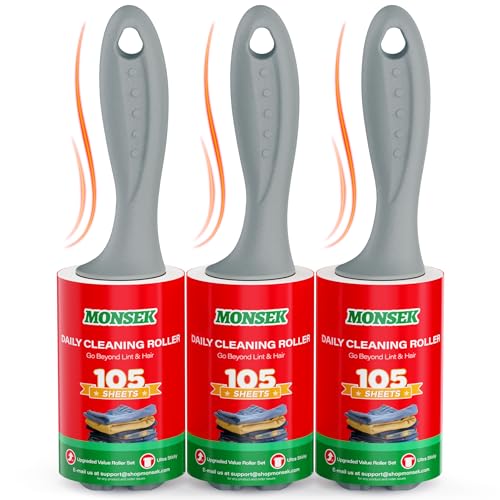
A lint roller serves as a handy tool for quick pick-ups. Its adhesive sheets attract and capture loose fibers effortlessly with just a few rolls.
For a deeper clean, a vacuum cleaner with a pet attachment can be highly beneficial. Focus on seams and crevices where debris tends to accumulate. Regular upkeep prevents buildup.
Consider using a fabric softener mixed with water in a spray bottle. Lightly mist the area before wiping down with a microfiber cloth. This technique not only captures fibers but also refreshes the fabric.


Your choice of textiles can make a difference. Opt for those with tightly woven fibers, which minimize the trapping of debris and simplify maintenance.
Lastly, consistent grooming of your companion goes a long way. Regular brushing helps reduce the amount of fur that makes its way onto your belongings.
Best Approaches to Eliminate Canine Fur from Upholstery
I rely on a rubber glove for quick and simple removal of stray strands. Just dampen it slightly and rub the glove over the upholstery. The static electricity generated helps lift the fibers effectively. This method is particularly useful for quick touch-ups.
Utilize a Lint Roller
A lint roller is another key tool in my arsenal. I keep one handy for spontaneous cleanups. Rolling it over the textile surfaces collects clumps without any hassle. For optimal results, I often change the sheets to avoid dust buildup.
Vacuum with the Right Attachments
Using a vacuum equipped with a pet-specific attachment makes a noticeable difference. The bristles are designed to dislodge embedded fibers. I make it a habit to run the vacuum over my textiles weekly to maintain a fur-free environment. In addition, I ensure to empty the vacuum canister frequently to maintain its suction efficiency.
Choosing the Right Tools for Dog Hair Removal
For tackling fibers on surfaces, I prioritize a few key instruments. A rubber glove is my go-to; I simply dampen it slightly and run my hand over the area. The static it creates effectively attracts particles, making removal straightforward.
Lint Rollers and Their Variants
Lint rollers are indispensable in my toolkit. They come in various sizes and often feature sticky sheets that can pick up tiny fibers with ease. I prefer those with extra-large sheets as they cover more area quickly.
Vacuum Attachments
A vacuum cleaner with pet-specific attachments stands out for deep cleaning. Brush heads designed for removing fibers grip and lift them from surfaces without damaging the material underneath. I always check for a rubberized or specialized brush attachment to enhance performance.
Using a Lint Roller on Your Upholstery
Position the lint roller directly above the area requiring attention. Firmly press it down and roll it across the surface in a straight line. Applying moderate pressure ensures better adhesion. Roll in one direction, lifting the roller away from the fabric after each stroke to avoid re-depositing any particles.
Replenishing the Roller
When the adhesive sheet is covered in debris, peel it away to expose a fresh layer. This process is quick, allowing continuous use without interruption. Keep additional sheets nearby for larger projects or areas with significant build-up.
Alternate Uses
This tool can also tackle other surfaces, such as clothing and car interiors. Its versatility makes it a handy staple in my cleaning arsenal, effectively managing unwanted fragments across various settings.
Vacuuming Techniques for Lifting Canine Fur
To successfully gather the unwanted fur from various surfaces, I found that certain approaches significantly enhance the results. One effective method involves utilizing a vacuum cleaner with a brush attachment. This tool agitates the fibers of the upholstery, dislodging embedded strands more efficiently. Start by adjusting the brush height according to the fabric type; lower settings work better for plush materials while higher settings suit smoother textures.
Optimal Vacuuming Techniques
Here are some techniques that I’ve seen work wonders:
| Technique | Description |
|---|---|
| Slow Sweeping | Move the vacuum slowly to ensure thorough suction and prevent strands from escaping. |
| Cross-Patterning | Vacuume in multiple directions–horizontally and vertically–to capture more fibers that might be lodged deeply. |
| Low Suction Focus | For delicate fabrics, reduce suction power to avoid damaging the material while still picking up the strands. |
Routine Maintenance
Regularly clean the vacuum’s filters and brush rolls to maintain optimal performance. Clogged components reduce suction power and can leave remnants behind. Additionally, consider incorporating a rubber-soled broom or specific pet hair removal tools before vacuuming, as they can gather strands that the vacuum might miss, ensuring a more comprehensive clean-up.
Using Rubber Gloves to Collect Pet Fur
Wear rubber gloves for a simple and effective solution in gathering loose strands from upholstery. The natural static cling of the material attracts fibers, making the process efficient.
Steps to Follow
- Put on a pair of dry rubber gloves.
- Rub your hands over the surfaces to gather fur.
- Rinse occasionally to remove accumulated debris.
- Wipe the gloves with a damp cloth to clean between uses.
Tips for Best Results
- Use gloves while slightly damp for increased attraction.
- Start from the top and go downwards to avoid missing spots.
- Consider wearing an old pair, as they will serve this purpose well.
- Combine this method with others for thorough cleaning.
This technique is perfect for quick touch-ups or everyday maintenance. Always keep a pair handy in your cleaning supplies for immediate use.
Washing Fabrics to Remove Embedded Pet Fur
To tackle stuck fibers on textiles, I recommend using a combination of washing techniques and additives. First, check the care labels on your items to ensure compatibility with machine washing. Use cold water to avoid shrinking or damaging the fabrics.
Pre-Treatment Steps
Before tossing items into the washing machine, shake them outdoors to dislodge loose strands. Consider using a dryer on a low heat setting for a few minutes, as the tumbling action can help detach embedded fibers. Following this, I sprinkle a half cup of white vinegar or baking soda into the wash. Both agents help loosen stubborn particles and combat odors.
Optimal Washing Techniques
I usually prefer a gentle cycle for delicate fabrics to prevent wear. For heavier materials, a regular cycle works well. To enhance fiber removal, I add an additional rinse cycle, ensuring that all residues are washed away. Post-wash, I inspect items for remaining particles and repeat if necessary. Drying them in a well-ventilated area helps further release any trapped elements. Regularly maintaining this routine can significantly reduce lingering traces on textiles.
Preventive Measures to Reduce Fur Accumulation
Regular grooming significantly reduces the amount of loose strands. I make it a routine to brush my pet daily, which captures loose fibers before they can scatter around the house.
Invest in a high-quality pet grooming tool designed to minimize shedding. A de-shedding brush or grooming glove can be very effective for this purpose.
Maintaining proper diet and hydration for my companion plays a role too. A balanced diet contributes to healthy skin and coat, reducing excessive molting. Ensuring they drink enough water also helps.
Creating designated spaces for resting and playing can contain stray fibers. Using pet-specific blankets or mats where they typically relax keeps areas tidy while making cleaning easier.
Implementing air purification can help manage airborne particles. Using a HEPA filter can capture dander and loose strands, improving overall air quality and reducing what settles on surfaces.
Limiting access to certain rooms minimizes mess. I have specific areas where my pet is allowed, which helps confine any accumulation to specific zones.
Routine washing of bedding and toys prevents buildup. Regularly cleaning these items ensures that loose strands don’t find their way onto various surfaces.


