
 Caleb Turner
Begin with a generous application of rubbing alcohol onto a soft cloth. This approach effectively breaks down adhesive residues, ensuring a more straightforward removal. Make sure to blot rather than rub, as this minimizes the risk of damage to the surface.
If any sticky remnants persist, switch to a mixture of warm, soapy water. This combination aids in softening stubborn patches. Gently scrubbing with a non-abrasive sponge enhances the process without scratching the material.
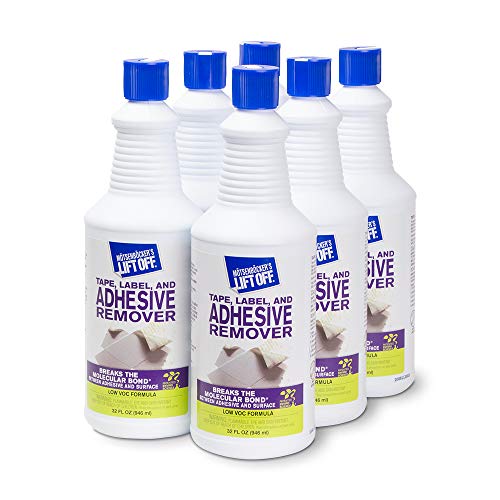
For more challenging scenarios, consider using a dedicated adhesive remover. Always verify compatibility with your specific surfaces before application. Follow the product instructions closely for optimal results.
Finish by rinsing thoroughly with clean water to eliminate any remaining chemicals. Dry the surface with a microfiber cloth to maintain its appeal and prolong its lifespan.


Removing Sticky Residue from Patio Items
I recommend using rubbing alcohol or hand sanitizer to tackle the sticky residue. Apply a small amount to a soft cloth and gently rub the affected area. This will help dissolve the material without damaging the surface.
Additional Techniques
If the residue persists, consider using olive oil or coconut oil as a natural alternative. Massage it into the area with a cloth, allowing it to sit for a few minutes before wiping away with warm, soapy water. This method not only lifts the remnants but also nourishes wooden surfaces.
Prevention Tips
<p.To guard against future issues, consider placing a protective cover over items when not in use. This can significantly reduce exposure to any sources of stickiness, keeping your patio pieces looking pristine.
Identifying the Type of Furniture Material
Begin by determining whether your items are constructed from wood, metal, plastic, or wicker. Each material requires distinct approaches for residue removal.
If it’s wood, check for the finish. Untreated or oiled woods might absorb cleaners, while varnished surfaces can handle harsher options. For metal, assess if it’s powder-coated or painted, as certain chemicals can damage the finish.
Plastic materials are often more resilient and can withstand typical solvents, but colored plastics might fade. With wicker, moisture can be problematic. It’s crucial to work carefully and avoid soaking.
Knowing the composition allows for targeted cleaning strategies, preserving the integrity of your pieces while effectively removing unwanted marks.
Gathering the Right Cleaning Supplies
Begin with rubbing alcohol or isopropyl alcohol, known for dissolving sticky substances. A bottle with a spray nozzle simplifies application.
Acetone is another effective agent, often found in nail polish remover; ensure it’s compatible with your surface.
Vegetable oil can help in loosening the residue. This natural alternative is gentle and safe for many materials.
Have some soft cloths or microfiber towels handy. These will prevent scratching while absorbing the dissolved material.
Gather fine-grade sandpaper or a plastic scraper if you’re dealing with tougher buildups. Use them carefully to avoid damage.
Warm soapy water will be useful for the final wipe-down after removing the sticky substance, ensuring the surface is clean and fresh.
Finally, consider a protective oil, like teak oil or sealant, to apply afterward, providing a barrier against future incidents.
Testing Cleaning Solutions on a Small Area
I recommend always applying the chosen cleaning agent on a discreet section of the material before proceeding with the entire item. This practice helps ensure that the solution won’t damage the finish or alter the color.
Selecting a Test Spot
Identify an inconspicuous area, such as the underside or back of a chair, to conduct your test. This minimizes potential visible damage. Ensure the surface is clean and dry before applying the solution.
Application Method
Use a small amount of the selected cleaner on a soft cloth or cotton swab. Gently dab the spot, avoiding aggressive rubbing that could damage the surface. Wait a few minutes to observe any immediate reactions. Rinse the area with water to check if there’s any discoloration or fading.
If the test area shows no adverse effects after drying, proceed with confidence to treat the larger surfaces. If issues arise, consider alternative cleaning options or methods to protect the material while addressing sticky residues.
Applying Solvents for Sap Removal
Choose a suitable solvent for the task based on the surface type. Many effective options exist, including rubbing alcohol, mineral spirits, or commercial adhesive removers. Always check the label to ensure compatibility.
Steps to Follow
- Soak a clean cloth or sponge with the chosen solvent.
- Gently dab the affected area, allowing the solvent to penetrate and soften the residue.
- After a few minutes, use a plastic scraper or an old credit card to carefully lift away the material.
- Wipe the area with a clean, damp cloth to remove any remaining solvent.
- Pat dry with a towel.
Safety Precautions
- Work in a well-ventilated space to avoid inhaling fumes.
- Wear gloves to protect your skin from irritation.
- Avoid using harsh chemicals on delicate surfaces, such as glass or painted finishes.
Always follow up with a gentle cleaner to restore the surface sheen and integrity after solvent application. This ensures the longevity of your items and keeps them looking their best.
Scrubbing Techniques for Different Surfaces
For wood surfaces, I use a gentle scrubbing pad to avoid scratches. Softer fibers lift residue without damaging the finish. A mix of warm water and mild soap often helps. I apply this solution to the pad and gently work in circular motions, focusing on tougher spots.
Metal surfaces require a different approach. I opt for nylon brushes or scouring pads. These materials are effective at removing stubborn deposits without leaving scratches. A diluted vinegar solution can assist in dissolving sticky residues. I apply it, let it sit for a minute, then scrub with my chosen tool.
Plastic items often tolerate more abrasive methods. I use a medium-bristle brush for thorough scrubbing. Baking soda combines well with water for an effective paste, which I apply directly to the surface. After a few minutes, I scrub and rinse thoroughly to ensure all residues are removed.
| Material Type | Scrubbing Tool | Recommended Cleaning Solution |
|---|---|---|
| Wood | Soft scrubbing pad | Warm water and mild soap |
| Metal | Nylon brush or scouring pad | Diluted vinegar solution |
| Plastic | Medium-bristle brush | Baking soda paste |
Always rinse surfaces with clean water after scrubbing to remove any cleaning agent residues. This helps prevent future buildup and keeps surfaces looking their best.
Rinsing and Drying the Furniture
After applying the suitable solution, it is crucial to rinse the surfaces thoroughly with clean water to remove any residue. I find using a garden hose with a spray nozzle effective, as it allows for even distribution and pressure control. Ensure the water flows over all affected areas to eliminate any remaining product.
Drying Techniques
Once rinsed, I recommend using a soft, absorbent cloth to dry the surfaces. This prevents water spots and further damage. If the pieces are large, consider letting them air dry in a well-ventilated area, but avoid direct sunlight to prevent warping or discoloration.
Final Inspection
After drying, I perform a close examination to confirm that all remnants have been successfully removed. If any traces persist, I will repeat the rinsing and drying process as necessary. Keeping track of these details ensures the longevity and appearance of the items in my outdoor space.
Preventing Future Sap Build-Up
To mitigate future residue issues, consider the following strategies:
- Choose hardscapes or surfaces that are less prone to sticky substances; materials like metal or treated wood resist accumulation better than untreated wood.
- Utilize protective covers during peak sap season to shield your items from airborne particles and droppings.
- Regularly clean surfaces to eliminate initial sticky deposits, preventing them from bonding and becoming harder to remove.
- Position furniture away from sap-producing trees, if possible. Creating distance can significantly reduce exposure.
- Maintain tree health by pruning dead branches and removing excessive foliage, which may reduce sap production.
- Implement a routine inspection schedule for your belongings, identifying any deposits early before they harden.
- Apply a protective sealant on wooden surfaces periodically, providing a barrier against unwanted residues.
By implementing these tactics, the likelihood of encountering stubborn remnants decreases significantly, ensuring longevity and maintaining aesthetic appeal.


