
 Caleb Turner

I recommend mixing equal parts of water and white vinegar in a spray bottle. This combination acts as a powerful cleanser that removes dirt and grime without damaging natural oils. Before applying, ensure the surface is free from dust for effective results.
Spray the solution lightly on the wood and use a soft cloth to rub it in gently. Avoid harsh scrubbing, as it can scratch the surface. Instead, work in the direction of the grain, making sure to cover the entire area evenly.
Afterward, rinse the surface with clean water and dry it immediately to prevent moisture from soaking into the wood. For an added protective layer, consider applying a specialized wood oil after the cleaning process. This not only replenishes the natural sheen but also helps guard against future stains.

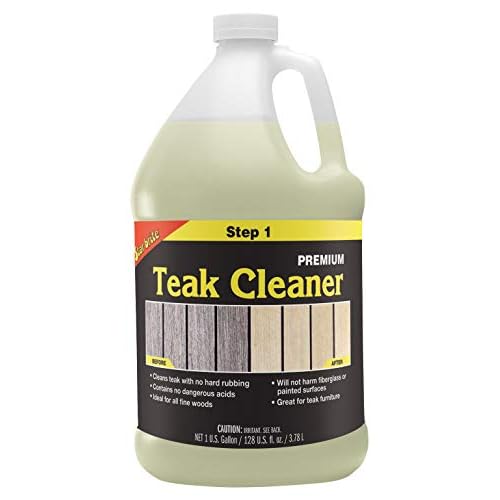
Cleaning Process with Acetic Acid Solution
Mix equal parts of water and acetic acid in a spray bottle. Lightly mist the surface of the wood, ensuring not to oversaturate. Allow the solution to sit for a couple of minutes to break down grime effectively.
Wiping Technique
Using a soft, lint-free cloth, gently wipe the surface in the direction of the grain. This method helps avoid scratching and ensures that any residue is lifted off thoroughly.
Rinsing and Drying
After wiping, dampen another cloth with plain water and go over the area again to remove any remaining solution. Follow up by drying the wood with a clean, dry towel to prevent moisture retention.
Understanding Teak Wood and Its Care
Choosing the right treatment for this type of hardwood is crucial. Always prioritize a gentle approach to maintenance. Regularly wiping with a damp cloth removes dirt and prevents scratches. Avoid abrasive materials that can mar the surface.
Oiling Recommendations
Using a high-quality, specific oil designed for hardwoods enhances the natural hue. Apply it every 6-12 months, depending on exposure to sunlight. This routine not only nourishes the wood but also protects it from fading.
Protective Measures
Place coasters or placemats under items to shield against moisture and heat damage. Keeping pieces out of direct sunlight prevents drying and cracking, maintaining beautiful aesthetics over time. Additionally, consider using furniture covers during off-seasons or harsh weather conditions for enhanced protection.
Why Use Vinegar for Cleaning Teak Furniture
I found that using this natural solution effectively tackles dirt and grime without damaging the surface. It acts as a gentle acidic agent, capable of cutting through residues while preserving the wood’s integrity.
Benefits of Vinegar
One of the primary advantages is its non-toxic nature, making it an excellent choice for households with children or pets. Additionally, it can help neutralize odors, leaving a fresh scent behind.
Comparison with Other Cleaning Agents
| Cleaning Agent | Effectiveness | Safety Level | Cost |
|---|---|---|---|
| Vinegar | High | Low | Low |
| Commercial Cleaners | Variable | Medium | Medium |
| Soap and Water | Medium | Low | Very Low |
This versatile liquid eliminates the need for harsh chemical cleaners, reducing potential environmental impact. Choosing this option means prioritizing both the wood’s lifespan and the well-being of my household.
Preparing Your Cleaning Solution with Vinegar
I recommend mixing equal parts of distilled white liquid and lukewarm water. This ratio allows the acid in the liquid to break down grime effectively while being gentle on the surface.
For a more powerful formula, add a few drops of mild dish soap to the mixture. This enhances the cleaning properties without damaging the finish.
Ensure you use a container that is non-reactive, such as glass or plastic, to prevent any unwanted chemical reactions. Stir the solution gently to combine all ingredients fully.
Usage Tips
Before applying the mixture, test it on a small, inconspicuous area. This will confirm that the solution won’t alter the color or finish. Submerge a soft cloth in the solution, wring it out to avoid excess moisture, and proceed to apply it carefully to the desired surface.
Storage Suggestions
If you have leftover solution, store it in a sealed container in a cool, dark place. Shake gently before reuse, as ingredients may settle over time.
Gathering Necessary Cleaning Tools for Teak
First, I make sure to collect the following items:
- A soft cloth or microfiber towel for gentle wiping
- A medium-bristle brush for scrubbing without damaging the surface
- A spray bottle to hold the cleaning solution
- Protective gloves to keep my hands safe from harsh agents
- Measuring cup for accurate ingredient proportions
- Water source, ideally warm, to aid in the cleaning process
After gathering these tools, I ensure the workspace is clean and clutter-free to enable efficient movement. I also lay down an old towel or drop cloth to catch any drips or debris, preventing potential messes.
Finally, I check that the area is well-ventilated, as good airflow aids in drying and maintaining optimal conditions. Preparing adequately prevents frustration during the maintenance process.
Steps to Freshen Up Wooden Pieces with a Vinegar Solution
Prepare a 1:1 mixture of water and the acidic solution in a spray bottle. This balance ensures that it effectively removes grime without damaging the wood.
Spray the mixture lightly over the surface. Avoid soaking the wood to prevent water damage. Let it sit for a minute to break down any stubborn residues.
Using a soft cloth, gently wipe the surface in the direction of the grain. This technique prevents scratches and maintains the natural finish of the material.
For areas with heavier soiling, apply the solution again and let it absorb for a few minutes before wiping down. This step aids in lifting the dirt without excessive scrubbing.
After wiping, use a clean, damp cloth to remove any leftover solution. Make sure to eliminate excess moisture, as prolonged exposure can compromise the wood.
Finally, dry the surfaces completely with a soft towel. This prevents the formation of water spots and maintains the beauty of the material.
Removing Stains from Teak Using Vinegar
For stubborn marks on your wood surface, combine equal parts of white liquid and water in a spray bottle. This mixture can target most blemishes effectively. Spray directly onto the stained area, allowing it to sit for a few minutes. The acetic acid in the solution will help break down tough deposits.
After the solution has set, use a soft cloth or sponge to gently scrub the stain in the direction of the grain. Avoid abrasive materials that could further damage the surface. Once the mark begins to lift, wipe the area clean with a damp cloth to remove any residue.
If the stain persists, consider mixing a small amount of baking soda into the vinegar-water solution to create a paste. Apply the paste sparingly to the affected area, let it sit for a few minutes, and then gently scrub. Baking soda acts as a mild abrasive that helps lift discolorations while remaining gentle on the material.
After successfully removing the stain, ensure to dry the area thoroughly with a clean cloth to prevent moisture absorption. Maintaining the wood’s natural condition can help keep it looking pristine longer.
Aftercare Tips for Maintaining Clean Teak Furniture
To prolong the beauty and durability of my wood pieces, I consistently apply a few simple techniques. Regular maintenance is key.
Routine Maintenance
I make it a habit to dust surfaces weekly using a soft, lint-free cloth. This prevents dirt accumulation that can dull the finish.
- Avoid using harsh chemicals or abrasive materials that can damage the surface.
- Opt for a damp cloth occasionally for a deeper clean, ensuring I dry the surfaces immediately afterwards.
Protection from Elements
I position my wooden items away from direct sunlight and heat sources to avoid warping or fading. If exposed to the outdoors, applying a protective sealant can help guard against moisture.
- Consider using coasters under glasses and plates to prevent moisture rings.
- Place placemats under items that could scratch the surface.
By consistently following these guidelines, I ensure my wood pieces remain stunning and well-preserved for years to come.
Avoiding Common Mistakes When Cleaning Teak
Avoid using excessive amounts of cleaning solution. A little goes a long way when dealing with maintenance for this type of wood.
Do not scrub too hard. The goal is to lift dirt and grime gently without damaging the surface.
Steer clear of abrasive tools and harsh chemicals. Opt for soft cloths, sponges, or brushes to prevent scratches.
Avoid cleaning in direct sunlight. The heat can cause products to dry too quickly, leading to streaks or damage.
Do not skip rinsing the wood after applying a solution. Residue can attract more dirt and lead to further deterioration.
Ensure to test any solution on a small, inconspicuous area first. This will help avoid unwanted discoloration or damage.
Refrain from using standard wood polish or oils immediately after cleaning. Allow the surface to dry and breathe for optimal results.


