
 Caleb Turner
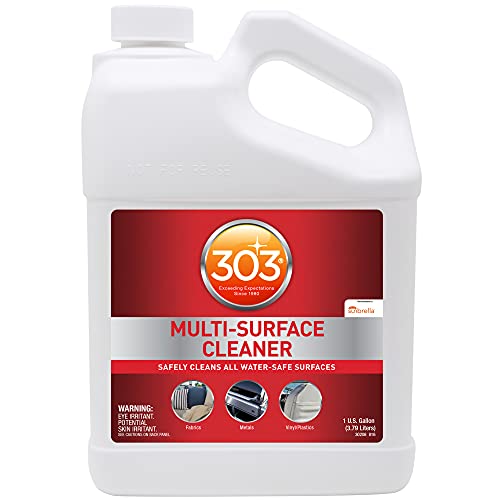
Mix one cup of warm water with a few drops of mild detergent. Using a soft cloth, dampen it with the solution and gently blot stained areas on the textile. Avoid soaking to prevent water damage. Rinse the cloth with plain water and blot again to remove any soap residue.
For tougher blemishes, consider a paste of baking soda and water. Apply it to the spot and let it sit for about 15 minutes before gently brushing it away with a soft-bristle toothbrush. This method can lift embedded dirt without damaging delicate fibers.
If odors linger, sprinkling a light layer of baking soda across the surface can absorb unwanted smells. Leave it for a few hours or overnight, then vacuum thoroughly to remove any residue. This approach refreshes the material, leaving it looking and smelling its best.
Cleaning Vintage Upholstered Pieces
For restoring the appeal of cherished upholstered items, I first assess the material. Natural fibers like cotton and linen require a different approach compared to synthetic blends. Always check cleaning codes, usually found on tags.

- Vacuum thoroughly. I use an upholstery attachment to remove dust and debris from seams and crevices.
- If stains are visible, I prepare a mild solution. A mix of water and gentle dish soap works well. I dampen a clean cloth with the solution, testing a hidden area first to ensure no adverse reaction.
- For stubborn marks, I sometimes create a paste with baking soda and water. I apply it directly onto the stain, letting it sit before gently scrubbing with a soft brush.
- Using a damp cloth, I gently blot the area, avoiding excessive moisture. Afterward, I use a dry towel to absorb any remaining liquid.
To refresh the scent, I sprinkle baking soda across the entire surface. After allowing it to sit for a few hours, I vacuum again. This method eliminates odors without dampness.
When restoring a vintage piece, I avoid using harsh chemicals that may damage delicate fibers. Regular upkeep extends the life of upholstery, keeping it appealing.
Assessing the Type of Fabric on Your Furniture
To properly care for my upholstered pieces, I first identify the type of material used. Every textile has unique characteristics that influence the cleaning technique. To begin, I check for tags that often provide specific instructions or fabric content.
Common Fabric Types
Natural fibers like cotton or linen are generally more forgiving and can handle mild cleaning solutions. On the other hand, synthetics such as polyester or acrylic may require special care to avoid damage. Each fabric might have its own label with cleaning codes, like ‘W’ for water-based cleaners or ‘S’ for solvent-based products.
Stain Resistance and Durability
Examining whether the textile has a stain-resistant treatment can help choose the right method for maintenance. Fabrics treated with Scotchgard, for instance, can withstand tougher stains compared to untreated ones. Understanding these traits allows me to tailor my approach, ensuring longevity and preserving the appearance of my cherished pieces.
Gathering Necessary Cleaning Supplies
I recommend collecting specific items to prepare for this task. Start with a vacuum cleaner equipped with an upholstery attachment to remove loose dirt and debris.
- Microfiber Cloths: Soft and absorbent, ideal for spot cleaning without damaging the material.
- Baking Soda: An excellent deodorizer, useful for freshening up surfaces.
- White Vinegar: Its natural acidity helps to tackle stains and odors effectively.
- Liquid Dish Soap: A gentle formula works well to break down grime.
- Soft Brush: For loosening embedded dirt fibers, a brush with soft bristles prevents damage.
- Spray Bottle: To easily apply solutions without over-saturating the fabric.
- Rubber Gloves: Protect your hands from chemicals and dirt.
Having these supplies on hand ensures a thorough approach to refreshing the upholstery.
Testing Cleaning Solutions on a Hidden Area
Always perform a test with the chosen cleaning mixture on a less visible section. This ensures that no damage occurs to the overall look. Use a cotton swab or a soft cloth to apply a small amount of the solution and observe any reaction.
Wait approximately 10 to 15 minutes before assessing the area. Look for discoloration, fabric degradation, or any unwanted effects. If you notice any issues, discontinue use and try a different cleaner. It’s crucial to remember that some solutions may work well for one type of material but may harm another.
Keep in mind the type of stains targeted. For instance, if dealing with oils, a solvent-based cleaner might show different results than a water-based one. To assist in tracking results, consider maintaining a simple table of observations:
| Solution Used | Hidden Area Tested | Observation |
|---|---|---|
| Solution A | Under cushion | No discoloration, safe |
| Solution B | Back of armrest | Faded color, discontinue use |
| Solution C | Inside seam | Effective stain removal |
This method allows for informed decisions without risking significant damage. Adjust concentrations and try alternates to find the most suitable cleaning option for the material at hand.
Removing Surface Dust and Debris Thoroughly
Begin with a vacuum equipped with an upholstery attachment to remove loose particles. Hold the nozzle slightly above the surface to avoid damaging the material. Ensure to cover seams and crevices where dirt accumulates.
Utilizing a Microfiber Cloth
After vacuuming, grab a damp microfiber cloth. Wipe the entire surface methodically, as this captures dust that the vacuum may have missed. For stubborn spots, slightly dampen the cloth with water or a gentle fabric-safe solution.
Brushing Techniques
For textured or delicate surfaces, use a soft-bristled brush to gently dislodge trapped debris. Always brush in the direction of the fibers to maintain the integrity of the material. This approach also helps to refresh the appearance of the upholstery.
Treating Stains with Appropriate Methods
For tackling specific spots, identifying the stain type is critical. For organic stains like food or beverages, a mixture of warm water and mild dish soap can be effective. Blot the area gently with a cloth soaked in this solution, then rinse with a damp cloth. Avoid rubbing to prevent spreading.
Grease and Oil
For grease marks, sprinkle cornstarch or baking soda on the stain to absorb the oil. Let it sit for about 30 minutes, then vacuum it away. If necessary, apply a fabric-safe degreaser diluted with water, using the blotting technique afterward.
Ink Stains
To address ink, use rubbing alcohol. Dampen a cloth with the alcohol, blot the stain carefully, and let it soak in for a few minutes. Then, rinse the area with a wet cloth to remove residual alcohol. Always test in an inconspicuous spot first to ensure colorfastness.
For general maintenance, act quickly. The sooner you treat the blemish, the easier it will be to lift it. Keep in mind that some stains may set permanently if left unattended or treated improperly.
Deep Cleaning Techniques for Old Fabrics
For thorough revitalization, I opt for steam cleaning. The heat effectively penetrates fibers, loosening embedded dirt and allergens without harsh chemicals. I focus on areas with heavy wear, moving the nozzle slowly to ensure maximum effectiveness.
Professional Services
In cases of severe wear or persistent odors, hiring a specialist can be a wise choice. I research local upholstery experts to ensure they use eco-friendly solutions. Always check reviews to gauge previous clients’ satisfaction.
Homemade Solutions
A mixture of white vinegar and water can serve as a natural deodorizer and stain remover. I mix equal parts in a spray bottle, lightly mist the surface, and blot with a soft cloth. This method is particularly effective for eliminating musty smells.
For deep-set grime, I create a paste from baking soda and water. I apply it to the affected area, let it sit for about an hour, and then gently scrub with a soft brush. Afterward, vacuuming removes any residue, leaving a fresh finish.
Maintaining Cleanliness After the Cleaning Process
Regular maintenance is key to prolonging the freshness of your upholstery. I recommend vacuuming at least once a week to remove dust and particles that accumulate on the surface. This routine helps prevent particles from embedding themselves into the fibers.
Invest in a lint roller for quick touch-ups, especially after pet interaction or high-traffic usage. This tool makes it easy to lift away hair and lint without disrupting the fabric’s texture.
Establish a schedule for deeper care, suggesting a thorough clean every six months or as needed based on wear and usage. Consider using specialized sprays formulated for your specific material to maintain the fabric’s appearance and texture.
Direct sunlight can fade color over time. I recommend positioning your items away from rigorous light sources or using fabric protectors to shield against UV damage.
Seat covers or throws can be an excellent preventative measure. They can be removed and refreshed frequently, offering protection while adding a layer of style.
Avoid allowing spills to linger. Quickly blotting stains instead of scrubbing can prevent them from setting, preserving your upholstery’s integrity.
Lastly, assess the quality of the air in your home. Good ventilation reduces humidity and dust accumulation, contributing to a more pleasant living environment and supporting the upkeep of your decorative pieces.


