
 Caleb Turner
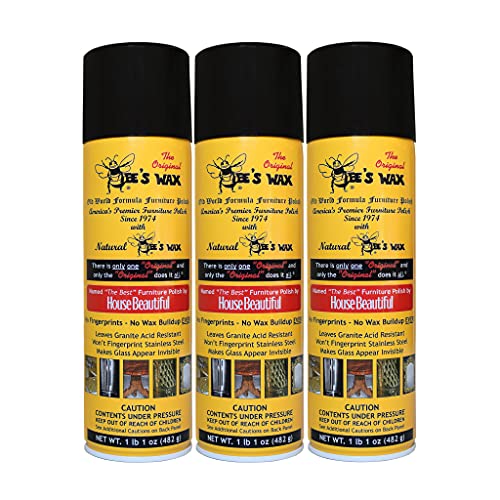
For a lasting shine and appeal, I recommend mixing a few drops of gentle dish soap in warm water. Dampen a microfiber cloth with this solution, ensuring it is only slightly wet, and then gently wipe down the surface. This technique effectively removes dust and grime without damaging the finish.
After wiping, it’s crucial to dry the surface immediately with a clean, dry cloth. This helps prevent moisture from penetrating the finish, which can lead to warping or damage over time. I often follow up with a specialized wax or polish designed for this type of material to restore that rich luster.
For deeper cleaning, consider a solution of equal parts vinegar and olive oil. Apply a small amount to a soft cloth, working in the direction of the grain. This method not only cleans but also nourishes the surface, enhancing its natural beauty.
How to Maintain Your Oak Surfaces
For a thorough treatment of your cherished pieces, I utilize a soft, lint-free cloth dampened with a mixture of mild soap and water. This combination effectively removes dirt and grime without damaging the finish.


Polishing Techniques
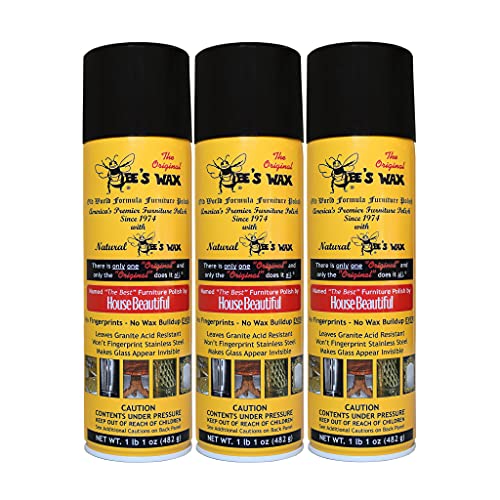
Periodically, I apply a natural beeswax polish to nourish and enhance the finish. It restores luster and provides a protective layer. Ensure the surface is clean and dry before application, then buff with a clean cloth for a brilliant sheen.
Stain Removal Strategy
In case of stubborn stains, I mix baking soda and water to form a paste. After gently rubbing it onto the affected area with a soft cloth, I wipe it clean with a damp cloth to avoid residue. Always test this method in an inconspicuous area first.
| Method | Material Used | Frequency |
|---|---|---|
| Dusting | Lint-free cloth | Weekly |
| Washing | Mild soap and water | Monthly |
| Polishing | Beeswax polish | Every 3 months |
| Stain removal | Baking soda paste | As needed |
Gather Necessary Cleaning Supplies
Begin with microfiber cloths for dusting; they trap particles without scratching surfaces. Collect a gentle detergent, like dish soap, mixed with warm water for a safe cleaning solution.
A soft-bristled brush or a vacuum with a brush attachment is useful for crevices. Additionally, have a pH-balanced wood conditioner on hand to maintain the finish after the initial cleaning.
Here’s a list of required items:
| Item | Purpose |
|---|---|
| Microfiber Cloths | Dust and wipe surfaces without scratching |
| Gentle Detergent | Mix with water for safe surface cleaning |
| Soft-Bristled Brush | Reach into grooves and corners |
| Vacuum with Brush Attachment | Remove dust and debris effectively |
| pH-Balanced Wood Conditioner | Restore and protect the finish |
Keep these supplies organized to streamline the entire maintenance process. Having everything ready ensures effective restoration and care.
Dusting Techniques for Oak Surfaces
The right approach for removing dust is essential in preserving the quality of your cherished pieces. I recommend using a soft microfiber cloth, which effectively traps dust particles without scratching delicate finishes.
Follow these detailed techniques:
- Begin at the top of the piece. Always dust from the highest point downwards to allow gravity to assist in the dust removal process.
- For intricate details or carvings, utilize a small brush or a clean, soft paintbrush. This technique helps dislodge particles from hard-to-reach areas.
- Maintain moisture levels in the cloth. Lightly dampen the cloth with water or a specialized cleaner to enhance dust capture and minimize the impact of static electricity.
After dusting, consider applying a protective conditioner tailored for the surface to prevent future buildup and maintain its luster.
Avoid using standard paper towels or rough textiles, as these can leave scratches and fibers behind. Consistent dusting, ideally on a weekly schedule, will minimize the need for deeper cleans and prolong the life of your items.
Choosing the Right Cleaning Solution
I recommend opting for a mild detergent mixed with warm water as a primary solution for maintaining your treasured pieces. This combination provides a gentle, effective way to remove grime without causing harm.
For tougher stains, a mixture of equal parts vinegar and water can be beneficial. Vinegar acts as a natural cleaner, while remaining safe for most finishes. Always test this solution on an inconspicuous area to ensure compatibility.
A specialty product designed for treated surfaces can also work well, particularly if the piece has a specific finish. Look for formulations that are pH-balanced and free from harsh chemicals that could damage the surface over time.
For a natural alternative, consider using olive oil or beeswax to polish and protect surfaces after cleaning. These options can nourish the finish while providing a beautiful shine.
Always avoid ammonia-based cleaners or those with silicone, as they can dull the surface or create a buildup that attracts dirt. Sticking to the recommended solutions will prolong the life and beauty of your cherished items.
Methods for Deep Cleaning Stains
I recommend identifying the type of stain first. Different stains require tailored approaches for effective removal.
Water Stains
For water stains, mix equal parts white vinegar and olive oil. Apply the solution with a soft cloth, rubbing gently in the direction of the grain. Wipe off excess with a clean, dry cloth.
Heat Marks
To treat heat marks, iron a clean cloth over the stained area on low heat. Ensure the cloth is damp to avoid further damage. Frequently check the progress to prevent overheating.
Food and Beverage Stains
- For sticky residues, create a paste of baking soda and water. Apply it to the stain and let it sit for a few minutes before gently buffing with a soft cloth.
- For red wine or coffee stains, dab the area with a mixture of dish soap and warm water, then wipe away with a damp cloth.
Ink Marks
To remove ink stains, lightly dab the area with a cotton ball soaked in rubbing alcohol. Avoid soaking the surface; instead, treat the stain gradually, blotting as you work.
Grease Stains
For grease, sprinkle baking soda on the affected area. Let it absorb for a few hours before wiping away with a damp cloth.
Final Touches
After treating stains, apply a furniture polish or conditioner to restore luster and protect the surface from future damage.
Polishing and Conditioning the Wood
I recommend using a quality polish specifically designed for surface enhancement. Apply a small amount onto a soft microfiber cloth and spread it evenly across the surface. This not only adds a nice shine but also helps to protect against scratches and stains.
Choosing the Right Product
Select polishes that contain natural oils, such as lemon oil or beeswax, which nourish the grain while giving a pleasing sheen. Avoid products with silicone, as they can create a residue that complicates future maintenance.
Application Technique
<p Using long, even strokes, work in the direction of the grain to ensure an even finish. It’s crucial to avoid excessive pressure, which may cause the finish to dull. Allow the polish to sit for a few minutes before buffing with a clean, dry cloth to bring out the luster.
Avoiding Common Cleaning Mistakes
Avoid using abrasive materials. Scratches can permanently damage the surface, making it more susceptible to stains and deterioration. Choose soft cloths or microfiber towels for wiping.
Neglecting to test solutions on an inconspicuous area can lead to discoloration or adverse reactions. I always apply new products to a hidden spot first to ensure compatibility.
Ignoring Manufacturer Instructions
Following specific guidelines provided by manufacturers is crucial. Some finishes may require specialized care that general cleaning protocols don’t cover. I always check for recommendations before using any cleaning agent.
Overusing Moisture
Applying too much liquid can lead to warping or mold growth. I dampen my cloth slightly rather than soaking it, ensuring surfaces remain safe from damage.
Regular Maintenance Tips for Longevity
Wipe surfaces weekly with a microfiber cloth to prevent dust buildup and maintain shine. I always dust in the direction of the grain to avoid scratches.
Humidity Control
Maintain indoor humidity levels between 40-60%. Use a humidifier during dry seasons to prevent cracking and warping, which can compromise the integrity of the piece.
Coaster and Mat Usage
Always use coasters under beverages and placemats under hot items. This simple practice minimizes heat and moisture exposure, protecting the finish and structure.
Inspect for signs of wear regularly. Address any scratches or dents immediately to prevent further damage. I find that adding a protective finish every few years helps keep surfaces looking their best.
FAQ:
What supplies do I need to clean oak wood furniture?
To clean oak wood furniture, you will need a few basic supplies: a soft, lint-free cloth, a mild soap or wood cleaner, warm water, and optional vinegar or mineral oil for polishing. Avoid using harsh chemicals or abrasive sponges that can scratch the wood surface.
How often should I clean my oak wood furniture?
It’s recommended to clean oak wood furniture every few months to maintain its appearance. However, if the furniture is used frequently or exposed to dirt and moisture, more frequent cleaning may be necessary. Regular dusting with a soft cloth can help prevent buildup and reduce the need for deeper cleaning.
Can I use vinegar to clean oak wood furniture?
Yes, you can use a mixture of vinegar and water to clean oak wood furniture, but it should be well-diluted. A common ratio is one part vinegar to four parts water. Vinegar can help remove grime, but avoid using it frequently as it may damage the finish over time. Always test a small area first before applying it to the entire piece.
What is the best way to remove scratches from oak wood furniture?
To remove scratches from oak wood furniture, you can use a walnut or furniture marker that matches the wood color. Rub a walnut over the scratch, which can help to fill in the damage with the natural oils from the nut. For deeper scratches, consider using a wood filler or consulting a professional for refinishing options to restore the piece.
How can I protect my oak wood furniture from damage?
To protect oak wood furniture, use coasters under glasses and plates, and place felt pads under decorative items to prevent scratches. Keeping furniture out of direct sunlight can help prevent fading. Additionally, regularly applying a wood conditioner or polish can help nourish the wood and create a barrier against moisture and dust.
What is the best way to clean oak wood furniture without damaging it?
To clean oak wood furniture safely, it’s important to use gentle methods. Start with a soft, lint-free cloth to dust surfaces regularly. For deeper cleaning, mix a mild soap, such as dish soap, with warm water. Dampen a cloth with the soapy water and wipe the furniture, avoiding excessive moisture. After cleaning, dry the surface immediately with a dry cloth to prevent water damage. Additionally, consider using a furniture polish specifically designed for wood to protect and enhance the finish. Test any product on a small, inconspicuous area first to ensure compatibility with your furniture.


