
 Caleb Turner
Begin with a thorough assessment of the affected surface. Remove any loose debris using a vacuum cleaner equipped with a HEPA filter. This step minimizes the risk of spreading contaminants elsewhere.
Next, prepare a solution using water and mild detergent. Dampen a clean cloth with this mixture, avoiding excess moisture to prevent damage. Wipe down the surface, focusing on areas that appear discolored or fuzzy.
Afterward, a mixture of equal parts of white vinegar and water can serve as a natural disinfectant. Apply it to the affected areas with a spray bottle, allowing it to sit for at least 10 minutes. The acidity of the vinegar helps neutralize residual particles.


Finally, to ensure complete removal, thoroughly dry the surface with a clean, dry cloth. Ensure adequate ventilation during and after the cleaning process to prevent future occurrences.
Actionable Steps for Tackling Contaminated Surfaces
Prepare a workspace equipped with gloves, a mask, and protective eyewear. Start by making a solution using equal parts white vinegar and water. Vinegar neutralizes harmful elements and acts as a natural disinfectant.
Dampen a cloth with the solution and gently wipe down the affected areas. Avoid soaking the material; excessive moisture may worsen the situation. Instead, use a soft brush for crevices and textured surfaces.
After treating the surface, allow it to dry completely in a well-ventilated area. Sunlight helps eliminate remaining threats, so if possible, place items outdoors for some time. For persistent odors, sprinkle baking soda and let it sit for a few hours before vacuuming.
Handling Severe Cases
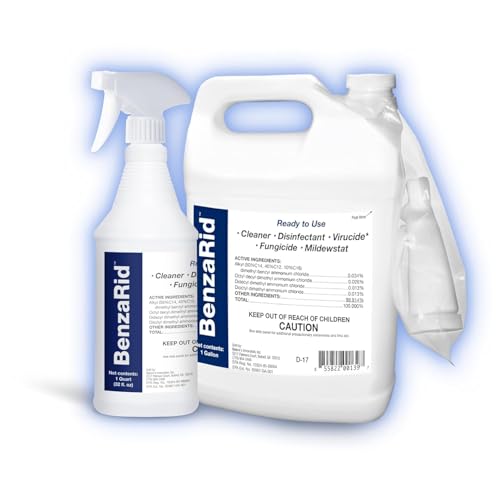
If residue persists, using a commercial cleaner designed to counteract these contaminants may be necessary. Always test the product in an inconspicuous area first. Follow the manufacturer’s instructions for application and safety precautions.
Prevention Tips
To avoid future occurrences, maintain low humidity levels indoors (ideally below 50%). Utilize dehumidifiers and ensure proper air circulation throughout your space. Regular inspections of susceptible areas can also help catch potential issues early.
Identifying Mold Types on Furniture
To effectively deal with contamination on surfaces, recognizing the various strains present is critical. Common varieties include Aspergillus, Penicillium, and Stachybotrys, each presenting distinct characteristics. Aspergillus appears furry with a green to black hue, often found on damp wood. Penicillium has a velvety texture and is typically blue or green, frequently discovered on textiles or stored items. Stachybotrys, known as the “black mold,” appears as slimy black patches and can be hazardous.
Visual Characteristics
Aspergillus often clusters in circular patterns, while Penicillium forms a more irregular shape. Stachybotrys tends to maintain a darker, more gelatinous appearance. Pay attention to these features, as they provide clues to the necessary remediation approach.
Smell and Location
The odor accompanying these fungi can vary; a musty scent typically suggests a fungal presence. Location is also a strong indicator; areas prone to moisture, like basements or bathrooms, are hotspots for these organisms. Identifying the type in these specific environments aids in taking appropriate measures swiftly.
Necessary Safety Equipment for Mold Cleaning
I always make sure to wear an N95 respirator or a mask that filters out airborne particles to protect my lungs from harmful substances. This is critical when dealing with any type of organic growth.
Goggles are important for eye protection. They keep debris and irritation away, especially when using sprays or scrubbing surfaces.
Gloves are a must; I opt for rubber or latex gloves to prevent direct contact with surfaces that may harbor allergens and irritants. This ensures my skin stays safe from potential irritants.
Protective clothing is vital. I wear long sleeves and pants to minimize skin exposure, along with an apron that can be easily cleaned or disposed of after the task is finished.
I find using disposable or washable shoe covers is helpful to prevent tracking any contaminants through my home.
Additionally, a well-ventilated workspace is key. I ensure that windows are open or use a fan to maintain airflow and dilute any fumes from cleaning agents.
Using a vacuum with a HEPA filter is beneficial to effectively capture particles during cleanup, reducing the chance of recontamination.
Step-by-Step Cleaning Process for Wooden Furniture
First, gather necessary supplies: white vinegar, water, a spray bottle, microfiber cloths, a stiff brush, and protective gloves.
1. Safety Precautions:
- Wear gloves and a mask to avoid inhaling particulates.
- Ensure adequate ventilation in the area where you will be working.
2. Initial Inspection:
- Identify heavily affected areas and note their locations.
- Remove items from surfaces and inspect the surrounding environment for potential sources.
3. Dry Debris Removal:
- Use the stiff brush to gently scrub surfaces where visible growth is present.
- Dispose of debris in a sealed bag to prevent further spread.
4. Vinegar Solution Application:
- Mix a solution of equal parts vinegar and water in the spray bottle.
- Lightly mist the affected areas, avoiding saturation that could damage the wood.
5. Wipe Down:
- Using a clean microfiber cloth, wipe the surfaces to remove residual particles.
- Change cloths frequently to avoid redistributing contaminants.
6. Drying:
- Allow the furniture to air dry completely in a well-ventilated space.
- Avoid direct sunlight as it may warp the wood.
7. Inspect and Repeat:
- Once dried, visually inspect for remaining signs of growth.
- If necessary, repeat the application of the vinegar solution.
8. Preventative Measures:
- Maintain low humidity levels in the environment.
- Use dehumidifiers or air purifiers as necessary.
Cleaning Upholstered Pieces: Techniques and Tips
I recommend vacuuming the surface thoroughly using an upholstery attachment. This helps remove loose particles and any debris. Pay special attention to seams and crevices where contaminants might accumulate.
Using Solutions
Consider using a mixture of water and mild detergent. Lightly dampen a cloth with the solution and gently blot the affected areas. Avoid soaking the material, as excess moisture can lead to further issues. Always test a small, inconspicuous area first to ensure colorfastness.
Deodorizing and Drying
After treatment, I apply baking soda to absorb any lingering odors. Let it sit for several hours or overnight before vacuuming it away. Ensure to dry the upholstery thoroughly. Open windows and use fans to speed up the drying process; this is crucial in preventing any recurrence.
| Technique | Description |
|---|---|
| Vacuuming | Remove surface dirt and debris with an upholstery attachment. |
| Spot Treatment | Use a water and mild detergent mixture; blot stains gently. |
| Deodorizing | Apply baking soda to neutralize odors; vacuum after several hours. |
| Drying | Ensure thorough drying with open windows and fans to prevent dampness. |
Implementing these steps will help maintain the integrity of your upholstered items and keep them looking their best.
Preventing Future Mold Growth on Furniture
To safeguard your possessions from future infestations, maintaining a dry environment is crucial. Monitor humidity levels using a hygrometer, aiming for a range of 30% to 50%. Dehumidifiers can aid in regulating moisture, particularly in damp regions.
Ventilation plays a key role. Ensure adequate airflow by keeping windows open when weather permits and utilizing exhaust fans in moisture-prone areas, such as kitchens and bathrooms.
- Utilize air purifiers equipped with HEPA filters to reduce airborne particles, which contributes to minimizing the growth of unwanted organisms.
- Regularly inspect your belongings, especially in storage areas, for early signs of dampness or discoloration. Address any issues immediately.
- Choose materials wisely; consider using treated wood or synthetic fabrics that are resistant to the growth of unwanted organisms.
- Limit excessive clutter to enhance airflow around items, making it harder for parasites to thrive.
Implementing these strategies creates an atmosphere that is less conducive to infestation, ensuring the longevity and integrity of your possessions.
When to Seek Professional Mold Remediation Services
If I notice extensive growth or a persistent musty odor that cleaning methods fail to eliminate, I contact specialists immediately. Their expertise ensures thorough removal and prevention of recurrence. Areas with significant moisture, such as basements or bathrooms, may not respond well to DIY solutions, indicating the need for professionals.
Indicators for Professional Help
If the affected surfaces exceed 10 square feet, I recommend reaching out to experts. Their tools and experience enable safe handling and disposal of compromised materials. Additionally, if anyone in the household suffers from respiratory issues or allergies, professional intervention is crucial to safeguard health.
Considerations for Choosing Experts
I prioritize companies with certified technicians and positive reviews. It’s essential to verify their process, ensuring it meets safety standards to prevent cross-contamination. Obtaining multiple estimates helps me assess costs and service outlines, ensuring informed decision-making.


