
 Caleb Turner

Use a mixture of mild dish soap and lukewarm water for spot treatment. Dampen a clean cloth with the solution, avoiding excess moisture. Gently blot the stained area, starting from the outer edge and working inward to prevent spreading.
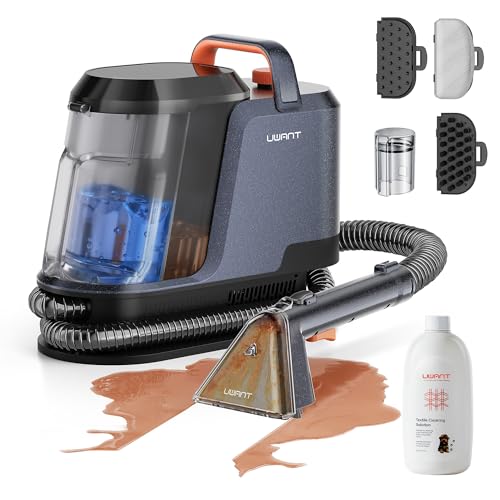
For deeper cleaning, a steam cleaner can be a valuable tool. Make sure to select the upholstery attachment and keep the nozzle at least six inches away from the material to avoid water damage. Move the cleaner in a gentle, clock-wise motion to lift dirt without saturating the surface.
Regular vacuuming with an upholstery attachment will help in removing dust and debris. Aim for a thorough clean every couple of weeks, paying close attention to seams and crevices where particles tend to accumulate.
For lingering odors, sprinkle baking soda over the entire area and let it sit for at least 15 minutes before vacuuming. This natural deodorizer can help refresh the upholstery without harsh chemicals.


Always perform a patch test in an inconspicuous area before applying any cleaning solution. This ensures that the color and texture remain unchanged. Keep in mind to follow care instructions provided by the manufacturer for best results.
Cleaning Techniques for Upholstery
Use a vacuum cleaner with an upholstery attachment to remove dust and debris. Make sure to go over seams and crevices where crumbs and dirt accumulate. For stains, apply a mixture of mild soap and water to a soft cloth, blot the area gently without rubbing, and absorb excess moisture with a dry towel.
Stain Removal Strategies
For stubborn marks, a solution of equal parts white vinegar and water can be effective. Spray lightly on the affected area and blot with a clean cloth. Test any solution on an inconspicuous spot first to ensure there is no discoloration.
Maintenance Recommendations
Regular brushing with a soft-bristle brush can keep the surface looking fresh, preventing the fibers from matting. Consider applying a fabric protector every six months to enhance resistance against spills and stains. Ensure the area is well-ventilated while the protector is drying.
Understanding Durapella Characteristics
I find the unique attributes of this material noteworthy. First, its resistance to stains and spills makes it suitable for households with kids or pets. The tightly woven fibers offer an impressive durability, standing up to wear and tear over time. This means that everyday use will not easily compromise its integrity or appearance.
The texture is often described as soft yet robust, providing comfort without sacrificing strength. I appreciate its breathability, which prevents overheating, making it an enjoyable choice for seating. Additionally, the color retention is impressive; it resists fading from sunlight exposure, ensuring that items maintain their aesthetic appeal for longer periods.
This upholstery is also known for its easy maintenance, allowing for straightforward spot treatment without the need for extensive professional cleaning. Its fabric composition can help reduce allergens, contributing to a healthier living environment. Lastly, the versatility of the material allows it to harmonize with various design styles, making it a practical and appealing option for many interiors.
Tools and Supplies Needed for Cleaning
I recommend gathering the following items before proceeding with the cleansing process:
- Soft brush or vacuum cleaner: A soft-bristled brush or a vacuum with a fabric attachment helps remove dust and debris without damaging the material.
- Microfiber cloths: These are ideal for wiping surfaces without leaving lint or scratches.
- Gentle detergent: Choose a mild soap free from harsh chemicals to avoid fabric damage.
- Spray bottle: Useful for diluting cleaning solutions and applying them evenly.
- Bucket or bowl: For mixing cleaning solutions if needed.
- Stain remover: A product designed for delicate textiles can tackle tougher spots effectively.
- Water: Use lukewarm water for mixing cleaning solutions or rinsing cloths.
- Protective gloves: To keep your hands safe from irritation from cleaning agents.
Having these tools on hand ensures a thorough and careful approach to maintaining your seating surfaces.
Preparing the Furniture for Cleaning
I always begin by removing all items from the surface that could obstruct the cleaning process. This includes cushions, throws, and any decorative accessories. It’s essential to clear the area thoroughly to ensure no dust or debris interferes with the task.
Next, I inspect every section of the upholstery for stains or heavily soiled areas. Taking note of these spots helps to focus on the most affected areas later in the process. For minor dirt, a gentle brush or vacuum attachment can be used to remove loose particles before I start with liquids.
In addition, I recommend checking the manufacturer’s label for specific care instructions. Each piece may have unique guidelines that should be followed. I prepare any necessary tools or cleaning solutions as specified, ensuring everything is readily available.
Lastly, I allow sufficient time for the cleaning task, minimizing any rushed actions that could lead to oversights. I find that a methodical approach is always beneficial in achieving the best results.
Spot Cleaning Stains on Durapella
Immediately address stains for the best outcome. Blot spills with a clean, dry cloth to absorb excess liquid. Do not rub, as this can spread the stain or damage the surface.
Follow these steps for effective spot treatment:
- Use a mild detergent mixed with water to create a cleaning solution. Ensure it’s safe for upholstery.
- Soak a clean cloth in the solution, wring it out to avoid excess moisture, and gently dab the stained area.
- Alternate with a cloth soaked in plain water to rinse away any soap residue.
- Blot the area with a dry towel to absorb remaining moisture. Allow it to air dry completely.
If a stubborn stain persists, consider using a specialized stain remover intended for similar textiles. Always follow the product instructions and perform a spot test in an inconspicuous area first.
Keep in mind:
- Avoid harsh chemicals that may alter the color or texture.
- Act quickly; the sooner you treat a stain, the easier it will be to remove.
- Regular maintenance will minimize the occurrence of stains.
After treatment, ensure proper ventilation in the area to facilitate drying and prevent mildew. For persistent issues, consult a professional cleaning service specializing in upholstery care.
Deep Cleaning Durapella Fabric Safely
I use a steam cleaner for a thorough refresh of the upholstery. This method is gentle yet effective for eliminating dirt, allergens, and odors without harsh chemicals. I make sure the steam temperature is suitable for the material, usually around 200°F (93°C). I maintain a distance of about 6 inches from the surface to avoid dampness.
I fill the steam cleaner with distilled water to prevent mineral build-up. After pre-treating any specific stains, I gently pass the steam nozzle over the entire area without lingering too long in one spot. This technique helps lift embedded dirt without risking damage.
Next, I ensure proper ventilation in the room. I open windows for airflow, which helps with drying and minimizes any residual moisture. Following the steaming process, I allow the covering to air out completely before using it again.
I also utilize a vacuum with a soft brush attachment. This adds a final touch by removing any loose debris that might have settled during the steam cleaning. Regular maintenance is key to keeping the seating looking its best. I follow this deeper cleaning routine once every six months, complementing it with spot cleaning as needed.
Drying and Maintaining Durapella Quality
Immediately after any cleaning process, ensure to dry the upholstery thoroughly. I recommend using a fan or a hairdryer on the cool setting to speed up the drying process without risking damage. Avoid direct sunlight, as prolonged exposure can fade colors and affect the texture.
Maintenance Tips
To preserve the appearance and longevity of your upholstery, follow these tips:
- Vacuum regularly with a soft brush attachment to prevent dirt buildup and maintain its texture.
- Address spills quickly with a blotting technique instead of rubbing, which can spread stains.
- Rotate cushions frequently to ensure even wear.
Recommended Drying Techniques
During the drying process, consider these techniques:
| Technique | Description |
|---|---|
| Air Drying | Allow the material to dry naturally by keeping it in a well-ventilated area away from heat sources. |
| Fan Method | Utilize a fan directed at the cleaning area to enhance air circulation, promoting faster drying. |
| Cool Hairdryer | Use a hairdryer on a cool setting from a safe distance to avoid overheating. |
Regular maintenance and prompt attention to spills will significantly enhance the durability and appearance of your upholstery, keeping it looking fresh for years to come.
Preventive Care Tips for Durapella Furniture
Regularly vacuuming upholstered pieces with a soft brush attachment prevents dirt buildup and maintains the fabric’s appearance. Schedule this task weekly to effectively manage debris accumulation.
Avoid direct sunlight exposure as it can fade colors over time. Position your seating away from windows or use curtains to filter light, preserving freshness.
Keep animal hair and dander in check by using lint rollers or pet hair removers. This minimizes allergens and enhances the overall hygiene of the upholstery.
Consider using a fabric protector spray specifically designed for your type of material. Apply it according to the manufacturer’s guidelines to create a barrier against stains.
Promptly address spills with a damp cloth to prevent long-term staining. Blot rather than rub to avoid damaging the weave.
Maintain proper humidity levels in the room. Ideally, the environment should be between 30% and 50% humidity to prevent shrinkage or warping of fibers.
Rotate cushions occasionally to maintain even wear. This helps in preserving the shape and comfort over time.
| Tip | Description |
|---|---|
| Vacuum Regularly | Use a soft brush attachment once a week to prevent dirt buildup. |
| Avoid Direct Sunlight | Keep away from windows or use protective curtains. |
| Animal Hair Management | Utilize lint rollers or pet hair removers frequently. |
| Fabric Protector | Apply a suitable spray following manufacturer recommendations. |
| Prompt Spill Response | Blot spills quickly with a damp cloth to mitigate staining. |
| Humidity Control | Maintain indoor levels at 30% to 50% to prevent damage. |
| Cushion Rotation | Change cushion positions periodically to ensure even wear. |


