
 Caleb Turner

If you’re facing stained or grimy upholstery, it’s crucial to address the issue with targeted techniques. My first recommendation is to make a simple cleaning solution using equal parts of water and white vinegar in a spray bottle. This mixture not only disinfects but also helps lift embedded stains without harsh chemicals.
Next, always test your solution on a hidden area to ensure that the color remains consistent and fabric integrity is intact. Employ a soft cloth or sponge for gentle blotting; scrubbing may damage the fibers and worsen the condition.
For persistent spots, consider using a mild dish soap diluted in lukewarm water. Apply it sparingly and follow up with a clean damp cloth to remove any soap residue. Finally, allow the area to air dry completely; using a fan can expedite this process, preventing mildew development while maintaining the aesthetic appeal of the surface.
How to Remove Stains from Upholstered Surfaces
I recommend using a mixture of mild dish soap and warm water for tackling stains. Dampen a soft cloth with the solution and gently blot the affected area, avoiding aggressive rubbing to prevent fabric damage.
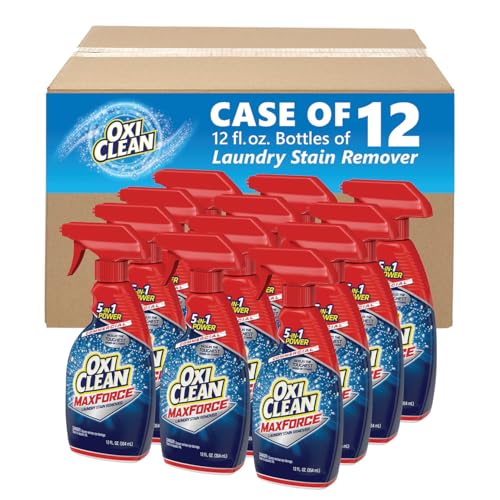


For more stubborn spots, consider creating a paste with baking soda and water. Apply it directly to the stain, let it sit for about 15 minutes, then vacuum the residue away.
- Test any cleaning solution on an inconspicuous area first.
- A sponge can be useful for applying cleaning agents without oversaturating the material.
- Use a fan or hair dryer on a cool setting to speed up drying.
If odors are present, sprinkle baking soda over the entire surface. Let it sit for a few hours or overnight before vacuuming it up to refresh and neutralize unpleasant smells.
- Blot the stain immediately with a clean cloth.
- Create a cleaning solution.
- Apply to the stain with a soft cloth.
- Rinse with a damp cloth.
- Allow to air dry completely.
For persistent marks, consider enlisting a professional cleaner who specializes in upholstery treatments to avoid damaging the material.
Identify the Fabric Type Before Cleaning
I always begin my process by determining the specific type of material I’m dealing with, as each variant has its own requirements and tolerances. Check the manufacturer’s label for guidance; it often provides a code indicating how to treat the surface.
Common Fabric Types
Cotton is a popular choice, generally more resilient and easier to maintain. Synthetic materials like polyester tend to be stain-resistant but may require specific solutions. Leather, while luxurious, necessitates specialized products to avoid damage. Natural fibers like wool and silk demand gentler handling to preserve their integrity.
Testing a Small Area
<p Before applying any cleaning solution, I always perform a test on a concealed section. This ensures that the treatment won’t adversely affect the appearance or texture. If the material shows no signs of change after several minutes, I proceed with confidence.
Gather Necessary Cleaning Supplies
I gather a few key items before tackling the stains on my upholstery. First, I ensure I have microfiber cloths; they effectively trap dirt and moisture without damaging the surface. Next, I prepare a soft-bristle brush to loosen any embedded particles without scratching.
Cleaning Solutions
I choose a gentle solution suitable for my specific material. White vinegar and water work well for many applications, while rubbing alcohol is great for spot treatment. Sometimes, I prefer store-bought fabric safe sprays designed for upholstery. Always check the label for compatibility with my specific blend.
Protective Gear
I always wear gloves to protect my hands from chemicals. A pair of safety goggles is also handy, especially if I’m using a potent cleaner. Having a vacuum nearby helps remove loose debris before applying any liquids, ensuring a more thorough refresh.
Test Cleaning Solutions on a Hidden Area
Before applying any cleaning mixture widely, I always test it on an inconspicuous spot. This prevents damage or discoloration to the main area.
I typically choose a corner or underside of a cushion, where visibility is low. I use a soft cloth or cotton swab to apply a small amount of the solution. After letting it sit for a few minutes, I check for any adverse reactions. If the area looks unchanged, it usually signals safety for broader application.
Below is a simple checklist I follow during this process:
| Step | Description |
|---|---|
| 1 | Select a hidden area for testing. |
| 2 | Apply a small amount of the cleaning solution. |
| 3 | Wait for a few minutes to observe any changes. |
| 4 | Evaluate the spot for discoloration or damage. |
| 5 | If all is well, proceed with confidence. |
Using this method ensures that my approach remains cautious and protects the integrity of the upholstery.
Remove Loose Dirt and Debris First
Begin by utilizing a vacuum cleaner equipped with a brush attachment to eliminate surface particles. Focus particularly on seams and crevices where dust and crumbs tend to accumulate.
Steps to Follow:
- Adjust the vacuum to a low setting to avoid damaging the material.
- Run the brush attachment over the entire surface, including cushions and armrests.
- For stubborn residuals, gently use a lint roller or adhesive tape.
If a vacuum isn’t available, consider using a soft-bristled brush to sweep away particulate matter. Make sure to work in the direction of the fibers to prevent fraying.
Additional Tips:
- Ensure the brush or roller is clean to avoid transferring dirt.
- Regular maintenance assists in keeping the upholstery looking fresh and prolonging its lifespan.
- Combine this method with a dusting cloth for surfaces like arms and tables adjacent to the upholstery.
Choose the Right Cleaning Method for Stains
Identify the specifics of the blemish to select the most suitable treatment. For water-based stains like coffee or juice, a mixture of mild soap and water works effectively. Blot the stain with a clean cloth, then gently scrub the area. For oil-based stains, such as grease or makeup, talcum powder can help absorb excess oil before applying a specialized cleaner formulated for oily residues.
For ink marks, rubbing alcohol on a cotton ball can be effective; however, it’s crucial to blot rather than rub to avoid spreading the ink. Wine stains can be tackled with a mixture of white vinegar and water, applied to the area promptly. For harder-to-remove marks like dried paint, using a small amount of paint thinner on a soft cloth can break down the paint, but always ensure to test the solution first.
When addressing stubborn or set-in stains, utilizing commercial upholstery cleaners can save time. Ensure that the product is compatible with your specific type of textile. Always follow the manufacturer’s instructions for the cleaner to avoid damaging the material.
Apply Cleaning Solutions Properly
I recommend using a spray bottle to apply the cleaning solution evenly. This method prevents oversaturation in one area. Hold the bottle about 6-12 inches away from the surface, ensuring a fine mist covers the material without soaking it.
Avoid using excessive amounts of solution. A light application is sufficient, allowing the cleaner to penetrate the fibers without causing damage. Control the amount by testing on a small area first.
Use a soft cloth or sponge to gently work the cleaner into the texture. Circular motions help lift the grime without harming the surface. Ensure not to rub too hard, which can cause fraying or discoloration.
If using a commercial product, carefully follow the manufacturer’s directions regarding the application. Allow the solution to sit for the recommended time to break down stains effectively.
After the application, use a clean, damp cloth to blot the area. This removes any excess cleaning solution and soil, promoting optimal results.
Rinse and Remove Residue After Cleaning
After applying your chosen solution, I make sure to thoroughly rinse away any remaining product. I use a clean, damp cloth and gently blot the area to eliminate excess cleaner. It’s vital to avoid saturating the material, as too much moisture can lead to mold or mildew development.
For effective residue removal, I fill a bowl with fresh water and dip my cloth, wringing it out until damp but not dripping. I work in small sections, repeating the process until the surface feels free of any cleaning agents. This method also helps restore the texture and appearance of the upholstery.
Using Distilled Water
In cases where tap water contains minerals that could leave spots, I opt for distilled water. It’s purer and minimizes the risk of watermarks, ensuring the finish remains intact.
Final Drying
To assist in the drying process after rinsing, I recommend placing fans around the area. This helps circulate air, speeding up drying time. I avoid direct sunlight, which can cause fading or damage. Once completely dry, I reconsider the original texture of the surface and decide if a light brush is necessary to restore fluffiness.
Dry Fabric Safely to Prevent Damage
To avoid compromising the integrity of textiles, I follow specific steps to ensure safe drying after treatment.
Temperature Control
I always opt for air drying instead of using direct heat sources. Placing items in a well-ventilated area allows moisture to evaporate naturally, reducing the risk of shrinkage or warping.
Use of Absorbent Materials
I recommend blotting up excess moisture with clean, absorbent towels. This helps speed up the drying process without introducing heat. Position the towels over the wet areas, applying gentle pressure to lift as much liquid as possible.
- Change towels frequently as they become saturated.
- Avoid wringing textiles, which can lead to creases or distortion.
Avoiding Equipment
I steer clear of tumble dryers and radiators. Instead, hanging pieces over a clothesline or laying them flat on a drying rack ensures that air circulates freely around the fabric, which is crucial for even drying.
Checking for Residual Moisture
Once dried, I inspect for any signs of lingering dampness. I lightly run my hand over the surface; if there’s any coolness, the material may still hold moisture. I extend the drying time as necessary to prevent mildew.
Finishing Touches
For a polished ending, I use a fabric-safe brush to restore texture. This step revives the fibers and helps eliminate any remaining odors from the cleaning process.
Maintain Cleanliness with Regular Care Tips
To preserve the appearance and longevity of textiles, routine maintenance is crucial. I recommend vacuuming the surface weekly to eliminate dust and particles. This simple action preempts deeper stains and wear.
Stay Ahead of Stains
Promptly address spills and marks to avoid absorption. Use a soft cloth to dab–not rub–wetness, which helps prevent spreading and deep setting. Keep a blotting cloth nearby for unforeseen events.
Periodic Deep Refreshing
Monthly, I schedule a thorough inspection. Check for any emerging issues like loose seams or fading. A professional treatment every 1-2 years extends the life and vitality of my items. This involves steam cleaning or a specific solvent approach, depending on the materials.
| Frequency | Action |
|---|---|
| Weekly | Vacuum to remove dust and debris |
| After spills | Blot any moisture immediately |
| Monthly | Inspect for stains and wear |
| Yearly | Professional deep cleaning |
Implement these tips, and you will notice a significant enhancement in the aesthetics and durability of your textiles over time. Consistency is key!


