
 Caleb Turner
I recommend mixing equal parts of white vinegar and water in a spray bottle. Lightly mist the solution onto a microfiber cloth rather than directly onto the surface. This method prevents excess moisture from seeping into the grain, which could lead to damage. Gently wipe the affected areas, allowing the mixture to neutralize unpleasant scents.
For persistent odors, crafting a paste from baking soda and water can be beneficial. Apply it to the stained areas, let it sit for 15-30 minutes, and then gently buff it away with a cloth dampened in a vinegar solution. The combination of these two ingredients not only helps eliminate the stink but also leaves behind a fresh aroma.
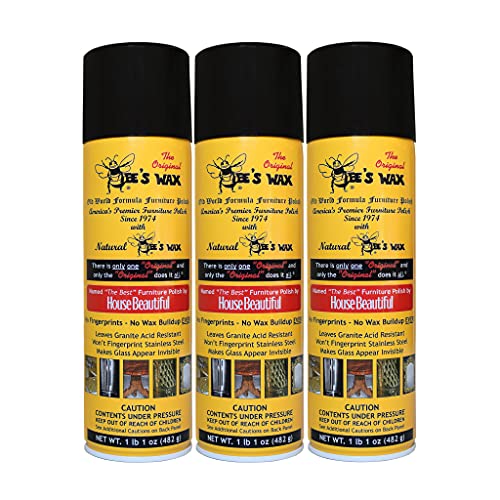
After treating the surface, ensure adequate ventilation. Open windows or use a fan to promote airflow, facilitating the scent’s dissipation. Following up with a light application of furniture polish can also restore shine while providing a pleasant fragrance that counters lingering traces of tobacco.
Removing Residue from Wooden Surfaces
Begin with a solution of equal parts vinegar and water. Dampen a soft cloth with this mixture and gently wipe the surface, ensuring you don’t saturate the wood. This combination effectively neutralizes odorous particles without damaging the finish.
For more stubborn residue, create a paste using baking soda and water. Apply it lightly to the affected areas, allowing it to sit for several minutes before gently buffing with a microfiber cloth. This method lifts embedded particles while being safe for your surfaces.


Polishing and Protecting
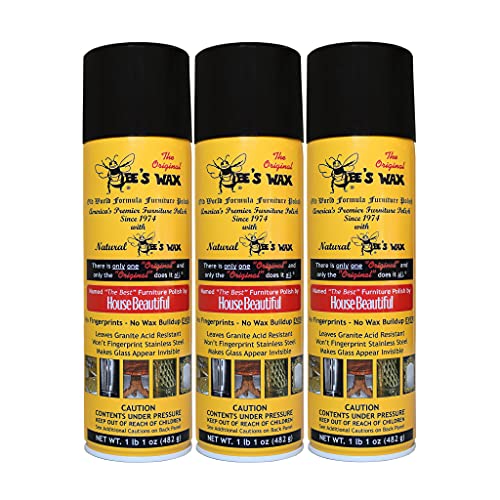
After treating the surface, I recommend applying a specialized wood polish or conditioner. This not only rejuvenates the sheen but also adds a protective barrier against future odor accumulation. Choose a product free from harsh chemicals to preserve the integrity of the finish.
Air Quality Enhancement
Finally, consider placing bowls of activated charcoal or baking soda around the area. These natural deodorizers absorb lingering scents over time, improving air quality in your space. Regularly replace them for optimal effectiveness.
Assessing the Extent of Smoke Damage
Begin by examining the surface area of the wooden structures. Look for discoloration, sticky residues, or a lingering odor, which can indicate the level of contamination. Gentle pressure with a soft cloth can help identify sticky patches that require more attention.
Visual Indicators
Check for yellowish or brown stains, especially in high-traffic areas or near heat sources. Inspect corners and edges, as these spaces often accumulate more residue. Take note of any peeling or flaking finishes, which might suggest deeper infiltration of the particles.
Odor Assessment
Test the area for persistent odors. If the scent remains despite cleaning attempts, it implies that the particles have penetrated into the material more than surface-level. Using your nose, distinguish areas with stronger scents, which may need more intensive treatments.
| Indicator | Interpretation |
|---|---|
| Discoloration | Indicates surface-level damage; may require thorough scrubbing. |
| Sticky Residue | Shows deeper penetration, suggesting the need for specialized cleaner. |
| Odor | Persistent smell indicates the need for a more aggressive approach. |
| Peeling Finish | Suggests underlying damage, possibly requiring refinishing. |
By systematically evaluating these factors, I can effectively gauge the scope of the challenge ahead and tailor my approach to remediation accordingly.
Gathering Necessary Cleaning Supplies
To tackle this task efficiently, I prioritize assembling a few key items. First, I grab a microfiber cloth, as its non-abrasive texture is excellent for absorbing residues without damaging surfaces. Next, I include a soft-bristle brush or an old toothbrush, which helps reach crevices and intricate designs.
Cleaning Solutions
An appropriate cleaning agent is critical. I often opt for a mixture of warm water and a mild dish soap. Alternatively, vinegar diluted with water can effectively break down built-up layers. For exceptionally stubborn spots, I keep a specialized wood cleaner handy, ensuring it’s suitable for the particular finish of my items.
Additional Tools
Rubber gloves protect my hands, especially when using stronger solutions. A bucket is handy for mixing and storing the cleaning solution. Lastly, I find a good-quality sponge useful for applying the cleaner generously before wiping it away with the cloth.
Preparing the Wood Surface for Cleaning
Begin by removing any items from the surface, including decorations and small appliances. This ensures an unobstructed area for addressing the issue thoroughly.
Next, utilize a soft, dry cloth or microfiber towel to eliminate loose dust and debris. This initial step helps prevent scratches during the subsequent cleaning process.
Assessing for Existing Damage
Inspect the surface for any scratches or signs of wear. If these are present, consider using a wood filler to repair them before proceeding with deeper cleaning, as this will improve the final appearance.
Moistening the Surface
Lightly dampen a cloth with a mixture of water and a mild soap solution. Ensure the cloth is not soaked to avoid over-saturating the material. Gently wipe the affected areas in a circular motion, allowing the soapy water to break down residues.
After dampening, use a separate dry cloth to absorb excess moisture. This helps retain the natural finish and avoids damage from prolonged exposure to liquid.
Finally, allow the surface to air dry completely before applying any protective coatings or finishes. Ensuring the surface is dry will enhance the overall effectiveness of further treatments and maintenance.
Choosing the Right Cleaning Solution
Opt for a mixture of distilled water and white vinegar in equal parts. This natural option effectively neutralizes odors and works well on polished surfaces.
For tougher residues, consider using a commercial product designed for removing odors and residue, ensuring it’s safe for lacquered or varnished surfaces. Check labels carefully.
- Look for enzymatic cleaners specifically formulated for organic stains.
- Avoid ammonia-based solutions, as they can damage finishes.
- Test any solution on a small, inconspicuous area first to prevent discoloration.
Another effective option is baking soda, which can absorb odors. Create a paste with water and gently apply it to the affected areas, letting it sit before wiping it away.
Consider using natural oils, like lemon or orange oil, to enhance the aroma while cleaning. These also help condition the surface.
Always prioritize solutions that are gentle yet efficient, respecting the integrity of the surface while addressing the problem effectively.
Step-by-Step Cleaning Process for Wood Furniture
Prepare a workspace with adequate ventilation. Open windows and use a fan if necessary.
Start with a soft microfiber cloth to gently wipe the surface. This removes loose residue that could scratch while further treating the area.
Mix a solution of gentle soap and water. Use a damp cloth to apply the mixture, ensuring it is not overly wet to prevent damaging the finish. Wipe in the direction of the grain.
For stubborn areas, take a small amount of white vinegar mixed with olive oil. Apply this to a clean cloth and rub gently in circular motions on affected spots.
After treating each section, wipe with a separate damp cloth to remove any cleaning solution remnants. Follow with a dry, clean cloth to restore shine.
If odor persists, consider placing an open container of activated charcoal or baking soda nearby. This absorbs any lingering scents over time.
Regular maintenance includes using furniture polish or beeswax every few months to protect and rejuvenate the surface.
Document and assess any changes to the wood finish after cleaning to ensure it remains in good condition. If damage appears significant, consult a restoration expert for advice.
Deodorizing Wooden Surfaces After Maintenance
Once I finish the thorough maintenance process, I move on to eliminating lingering odors. Baking soda proves invaluable for this purpose. I sprinkle it generously over the affected surfaces and allow it to sit for several hours. This simple ingredient absorbs unwanted scents quite effectively.
In addition to baking soda, I opt for white vinegar diluted with water as another solution. I mix one part vinegar with four parts water in a spray bottle. Lightly misting the furniture with this blend allows it to neutralize odors without leaving any harsh scents behind. After applying, I wipe the surfaces with a soft cloth to ensure no residue remains.
Activated charcoal is another fantastic alternative for deodorizing. I place small bowls containing activated charcoal around the area to absorb odors over time. This method is particularly useful for prolonged scent removal.
Lastly, I consider adding essential oils to enhance the freshness. Choosing options like lemon or lavender, I create a diluted spray with water. A quick misting not only adds a pleasant aroma but also contributes to overall freshness.
After implementing these strategies, I ensure proper ventilation in the space. Opening windows and allowing fresh air to circulate greatly aids in expelling any remaining odors. Following these steps restores a pleasant atmosphere within the room.
Preventing Future Smoke Damage to Wood Furniture
To safeguard your wooden pieces against lingering odors and residue, consider implementing these strategies:
- Designate smoking areas away from valuable items. Utilize outdoor spaces to minimize exposure.
- Utilize air purifiers with HEPA filters to capture airborne particles. Regular maintenance ensures optimal performance.
- Invest in protective coatings, such as varnishes or sealants, specifically designed for furniture. These layers can act as barriers against unwanted absorption.
- Regularly dust surfaces with a soft, microfiber cloth. Encourage airflow by keeping vents clear, reducing buildup.
- Incorporate plants known for their air-purifying qualities. They can enhance the indoor environment, reducing the likelihood of odor retention.
Routine monitoring for signs of damage, such as discoloration or unusual odors, allows for timely interventions. Keep the living space well-ventilated and avoid allowing any residue to linger. Establishing these practices ensures the longevity and integrity of treasured wooden elements.


