
 Caleb Turner

Understanding the specific grades of engineered wood is crucial. For projects requiring strength and durability, I recommend opting for a higher-grade variant like BB/BB or B/BB, which provides a more consistent finish and fewer imperfections.
The thickness of the sheets is another key factor. For structural stability in cabinets or tables, I find that dimensions of at least 18mm work best. Thicker boards resist warping and bending, ensuring longevity in use.
If you’re seeking an aesthetic appeal, consider the veneer quality. A plywood type with a hardwood veneer offers not only beauty but can also be stained or finished to match any design style. Ensure that the outer layer is at least 1mm thick to facilitate effective sanding and refinishing.
Additionally, pay attention to moisture resistance, especially if the item is intended for kitchens or bathrooms. Selecting a variant treated for increased humidity can prevent damage over time, enhancing the functional lifespan of the constructed piece.

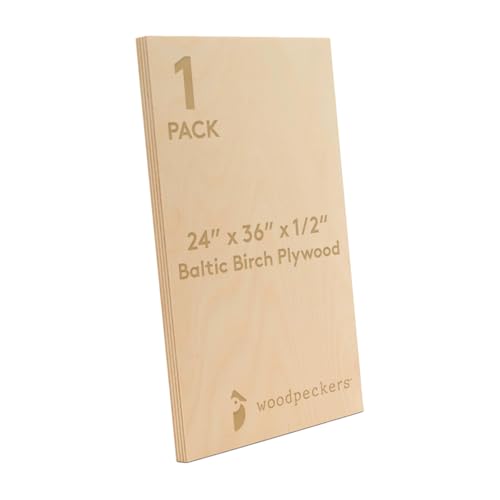

Finally, balance your budget and the intended use of the product. While higher-quality options provide enhanced durability, there are economical choices available that can still meet the basic needs of light-duty applications. Prioritize according to your project’s specific requirements for the best outcome.
Choosing the Right Panel for Your Projects
Prioritize thickness when selecting the ideal board; 3/4-inch is typically robust enough for most applications, ensuring durability. Look for a smoother surface if finishing is part of your plan. Perfectly sanded sheets facilitate better adhesion for stains, paints, and finishes.
Focus on the veneer grade. Higher grades like A or B offer fewer imperfections and a more polished appearance, suitable for visible areas. For hidden components, lower grades can suffice without compromising strength.
Evaluate the core material; solid or composite cores provide varied strength and weight. Solid cores have better longevity, while lightweight options can be beneficial for portable designs.
Check for certifications. Selecting boards made from sustainably sourced materials indicates a commitment to eco-friendliness. Look for labels such as FSC to ensure responsible forestry practices.
Inspect the warping potential. Quality boards should resist bending and shifting over time, particularly in environments with fluctuating humidity. Proper acclimatization before use can mitigate this issue.
Analyze the price point relative to the specifications you need. Investing in higher-quality products often pays off in the long run due to enhanced performance and extended lifespan.
Understanding Different Plywood Grades
Always prioritize structural integrity and aesthetic quality by examining the grading system. Different classifications reveal essential traits that directly impact the usability and finish of your project.
- A Grade: Ideal for projects demanding a smooth surface. Typically free from defects, it allows for clear finishes, enhancing the visual appeal.
- B Grade: Offers a good balance between quality and cost. Slight imperfections are permissible, yet it still maintains an impressive appearance suitable for cabinets and shelves.
- C Grade: Suitable for hidden areas or where durability is more important than appearance. Expect more knots and repairs, which can be used creatively in rustic designs.
- D Grade: Primarily used in construction, this grade focuses on structural strength rather than visual appeal. It may feature large knots and other imperfections.
Take note of the plywood’s core composition, which affects stability and resistance to warping. Options include:
- Veneer Core: Lightweight, good for low-stress applications.
- Particleboard Core: Provides uniform density and is often used in affordable items.
- MDF Core: Known for smooth finishes, ideal for intricate designs.
Always confirm that the selection aligns with the intended function, whether it be aesthetics, load-bearing, or moisture resistance. Each type has distinct advantages that cater to various styles and uses.
Identifying Suitable Thickness for Your Project
The specific project dictates the required thickness. For lightweight items like bookshelves or decorative cabinets, a thickness of ½ inch to ¾ inch suffices. This thickness ensures strength while maintaining a reasonable weight profile.
Structural Requirements
For load-bearing constructions or pieces that must endure significant weight, opt for at least ¾ inch thickness. This choice provides enhanced load distribution, reducing the risk of sagging or bending over time.
Aesthetic Considerations
Thin layers, around ¼ inch to ½ inch, are suitable for cabinetry and facades. These dimensions allow for elegant, sleek designs while offering enough durability for light use. However, when integrating edges or trims, consider increasing thickness to ¾ inch for a more substantial appearance.
Ultimately, matching thickness with the intended use enhances both form and function. Always test samples to determine suitability before making a final decision on dimensions.
Evaluating Surface Finishes
Prioritize the surface finish based on the intended use of the item. For high-traffic areas, opt for a durable lacquer or high-gloss coating that withstands wear and tear. On the other hand, natural wood finishes like oil or wax enhance aesthetics but require regular maintenance.
Texture and Appearance
Examine the texture and grain pattern. A sanded finish presents a smoother surface suitable for painting or staining, while a rough surface may appeal for rustic designs. Consider how the finish interacts with light; matte feels softer and warmer, while glossy finishes create a sleek, modern look.
Environmental Considerations
Evaluate the chemicals used in finishes. Eco-friendly options exist, often labeled as low-VOC or water-based, which promote a healthier environment. These choices minimize harmful emissions, important for indoor pieces. Always check for certifications that guarantee safety and sustainability.
Recognizing the Benefits of Marine Plywood
Opt for marine-grade boards when requiring durability and moisture resistance. This material is specially designed to withstand exposure to water, making it ideal for projects in humid or wet environments.
- Water Resistance: Marine boards are treated with adhesives that resist water, preventing delamination and ensuring longevity.
- Strength and Stability: Engineered to resist warping and cracking, this type of wood offers exceptional stability even under varying environmental conditions.
- High-Quality Finishing: Typically featuring a smooth surface, these panels are suitable for painting or varnishing, providing an aesthetically pleasing finish.
- Versatility: While often used in boat building, their properties make them suitable for indoor and outdoor projects, including cabinetry and outdoor structures.
For best results, verify the certification of the material. Look for products that comply with recognized standards, ensuring quality and performance.
Comparing MDF and Plywood for Furniture Making
When deciding between MDF and hardwood panels, I focus on key attributes like strength, weight, and cost. MDF is more uniform and generally less expensive, making it ideal for intricate designs and smooth finishes. However, it lacks the structural integrity of hardwood boards, particularly in load-bearing applications.
Durability and Longevity
Hardwood laminates outperform MDF in terms of durability. While MDF can sag under heavy loads or exposures, hardwood sheets maintain integrity, making them preferable for items like shelves or tables that will bear weight. In my experience, projects intended for long-term use benefit significantly from the sturdiness of hardwood options.
Surface Treatment and Aesthetics
MDF provides a flawless surface that accepts paint and veneer easily, giving a sleek finish. However, hardwood veneers offer natural beauty and character, enhancing the visual appeal of projects. Consider your aesthetic goals; if a refined look is desired, hardwood may outperform MDF.
Assessing Environmental Impact of Plywood Options
Opt for materials with certifications like FSC (Forest Stewardship Council) or PEFC (Programme for the Endorsement of Forest Certification). These labels indicate responsible sourcing and sustainable forestry practices.
Evaluating Glue and VOC Content
Select options that utilize low-emission adhesives. Urea-formaldehyde glues, commonly used, emit volatile organic compounds (VOCs) which contribute to indoor air pollution. Look for products labeled as low-VOC or with no added formaldehyde to minimize environmental effects.
Consideration of Life Cycle
Review the life cycle of selected boards, from raw material extraction to disposal. Compare options based on their recyclability and biodegradability. Products that can be repurposed or returned to the environment at the end of their usefulness significantly reduce ecological footprints.
| Criteria | FSC Certified | Low-VOC Adhesives | Biodegradable Options |
|---|---|---|---|
| Environmental Impact | Positive | Positive | High |
| Availability | Common | Increasing | Limited |
| Cost | Moderate | Higher | Varies |
Integrating these considerations into your selection process aids in making choices aligned with environmental sustainability. Aim for responsible production methods and long-lasting materials that benefi both your projects and the planet.
Locating Reliable Suppliers for Quality Plywood
Contact local lumberyards and specialty wood suppliers. They often offer a diverse selection and knowledgeable staff to guide decisions. Establish direct relationships with these vendors; it can lead to better pricing and prompt service.
Evaluate online platforms such as construction supply websites and marketplaces. Check reviews and ratings to determine their reputation within the community. Look for suppliers who provide detailed product descriptions and transparency about sourcing.
Attend trade shows and local woodworking expos. Networking with industry professionals can yield recommendations for trustworthy sources. Engage with suppliers directly to ask questions regarding quality and sustainability practices.
Request samples before making a larger purchase. This facilitates hands-on evaluation of the material’s quality, grain, and finish. Ensure that the supplier’s policies allow for sample requests without extra costs.
Join woodworking forums and social media groups. Engaging with fellow enthusiasts can yield insights on where to buy the best materials. They may share specific supplier contacts and experiences.
Monitor industrial publications and newsletters. This is a productive way to discover emerging suppliers and market trends. Quality vendors often advertise in specialized media targeting carpenters and DIY enthusiasts.
Look into certifications that might indicate reliable providers, such as those embracing sustainable practices or adhering to strict industry standards. Verified suppliers are likely to offer superior products.
FAQ:
What types of plywood are best for furniture making?
Choosing plywood for furniture involves understanding the various types available. The most commonly used types include softwood plywood, hardwood plywood, and birch plywood. Softwood plywood is lightweight and often more affordable, making it suitable for items like lightweight tables or shelves. Hardwood plywood offers greater durability and a refined appearance, ideal for fine furniture. Birch plywood is favored for its smooth surface and resistance to warping, which is great for cabinets and high-quality furniture.
How thick should plywood be for making furniture?
The thickness of plywood you need largely depends on the type of furniture and its intended use. For structural pieces like tables or shelving units, a thickness of at least ¾ inch is recommended for stability. Thinner plywood, such as ½ inch, works better for decorative elements or lightweight furniture. Always consider the weight that the plywood will need to support to ensure durability and strength.
What factors should I consider when selecting plywood for a specific project?
Several factors play a crucial role in selecting the right plywood for your project. First, assess the furniture’s purpose—will it be used daily or for decorative purposes? Second, consider the environment where your furniture will be placed, as humidity and temperature can affect plywood’s integrity. Third, evaluate the appearance of the plywood, opting for finishes that align with your design vision. Lastly, budget is a key factor; higher-quality plywood will typically cost more, so balance quality and cost effectively.
Can I use plywood for outdoor furniture?
Yes, plywood can be used for outdoor furniture, but it requires specific treatment. Look for marine-grade plywood or exterior-grade plywood, which is designed to withstand moisture and temperature changes. It’s also advisable to apply a waterproof sealant to protect it from the elements and prolong its lifespan. Regular maintenance, such as cleaning and reapplying sealants, will help keep outdoor plywood furniture in good condition.
What finish is best for plywood furniture?
The finish you choose can significantly impact both the appearance and durability of plywood furniture. Varnishes and polyurethane provide a strong, protective coat that enhances wood grain while offering resistance to scratches and spills. If you prefer a more natural look, consider using a clear coat or oil finish that penetrates the wood without forming a thick layer. Stains can also be applied to change the color while still protecting the surface. Always test finishes on a small area first to ensure the desired effect.
What types of plywood are best for furniture making?
When selecting plywood for furniture making, consider the types available. Common options include softwood plywood, hardwood plywood, and marine plywood. Softwood plywood is typically made from fir, pine, or spruce and is suitable for lightweight projects or decorative elements. Hardwood plywood, crafted from stronger woods like oak, birch, or maple, is ideal for durable and high-quality furniture, offering a polished finish. Marine plywood, treated for water resistance, is excellent for outdoor furniture or areas with high humidity. Ultimately, the choice depends on the intended use, desired aesthetics, and budget.


