
 Caleb Turner
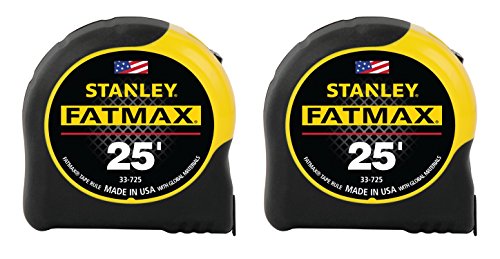
First, gather precise measurements of the items using a tape measure. Record the length, width, and height in inches. This data is essential for accurate volume estimation.
Next, multiply these dimensions together. For instance, if a piece is 30 inches long, 24 inches wide, and 18 inches tall, the equation would be 30 x 24 x 18. The product gives you the total volume in cubic inches.


Afterward, to convert the result into a more practical unit of measurement, divide the total by 1728. This figure represents the number of cubic inches in a cubic foot. The final value allows for better spatial planning in your home or storage.
Repeat this process for each item you need to assess. Keep a detailed record to ensure nothing is overlooked, which aids in effective organization and space management.
Understanding the Measurement of Volume
I recommend familiarizing yourself with the concept of volume measurement, especially when evaluating space for various objects in your home or office. The primary unit used in this context can be best understood through its definition: it represents the space an object occupies.
Key Components
- Dimensions: Measure length, width, and height in inches or centimeters.
- Volume Formula: Multiplying these dimensions gives you the total volume.
- Conversions: Be aware that different systems may require unit conversions if necessary.
Practical Tips
- Always use a consistent unit of measurement for accuracy.
- For irregular shapes, break the item into simpler forms for easier volume determination.
- Consider the use of calculators or apps specifically designed for measurement tasks.
Understanding this method will streamline storage planning or relocation processes. Ensuring you grasp these principles leads to efficient space management.
Tools Needed for Measuring Volume
Begin with a good-quality tape measure to obtain accurate dimensions of the object. A flexible tape is preferable for reaching around contours and corners. If the item is particularly large or bulky, consider using a laser measuring device for convenience and speed.
Next, a notepad or a digital device can be handy for jotting down the measurements. Record the length, width, and height for each piece to ensure precision during the subsequent steps.
For complex shapes, a graph paper can assist in sketching the item. This visual representation aids in better understanding the dimensions and finding the volume more effectively.
Additionally, a calculator is essential for performing multiplications. Whether it’s a basic model or a smartphone app, having one nearby facilitates quick calculations.
Consider a level tool, especially for uneven surfaces or multi-tiered items. This ensures that all measurements are taken accurately and consistently.
For items with curves or unusual shapes, a volume displacement method may be necessary. This involves a container filled with water, allowing you to measure how much water is displaced by the object for a more tailored assessment.
Having these tools at your disposal will streamline the process and ensure that I gather all necessary information for an accurate volume measurement.
Measuring furniture dimensions accurately
To ensure precise measurements, I measure each piece individually. I take the height, width, and depth, using a reliable tape measure. It’s crucial to record every dimension directly onto paper to avoid mistakes later on.
For height, I measure from the floor to the tallest point. Width is measured across the front, and depth is taken from the front edge to the back. When measuring irregular shapes, I find it helpful to note the largest dimensions to give a clear idea of the size required.
Pay attention to any legs, protrusions, or rounded edges that may alter the overall shape. In situations with multiple components, like sectional sofas, I ensure that I measure each section separately, as they may vary in size.
If the furniture has adjustable features, I make sure to measure in both the extended and retracted positions. Additionally, I check if any parts are removable, as this can impact the space needed for transport.
Ensuring accuracy also involves verifying my measurements multiple times. After recording, I cross-reference the figures with the original item to confirm conformity. By taking these steps, I maintain a high level of precision in determining the dimensions of each item.
Calculating Cubic Inches for Different Furniture Shapes
For items with a rectangular or square shape, the formula is straightforward: multiply length, width, and height. For example, if a table measures 5 feet in length, 3 feet in width, and 2.5 feet in height, the volume is calculated as 5 x 3 x 2.5 = 37.5 cubic feet.
Cylindrical Objects
For round pieces like ottomans or tubes, the approach shifts to using the formula for the volume of a cylinder: πr²h. First, calculate the radius (half the diameter), then multiply it by itself, followed by the height, and finally multiply the result by π (approximately 3.14). For an ottoman with a diameter of 2 feet and a height of 1.5 feet, you find the radius (1 foot), resulting in a volume of 3.14 x (1)² x 1.5 = 4.71 cubic feet.
Irregular Shapes
For uniquely shaped pieces, a more visual technique is helpful. Divide the item into identifiable shapes (rectangles, cylinders, etc.), calculate each volume, and sum them. For a unique bookshelf combining sections, split it into two rectangles and a cylinder on top. Compute each separately and combine the totals for an accurate measure.
Common Mistakes in Volume Calculations
One prevalent error is using inconsistent units of measurement. Always ensure that all dimensions are in the same unit–either inches or centimeters–before proceeding with multiplication.
Another frequent issue arises from neglecting to account for irregular shapes. When dealing with items that don’t fit standard geometric forms, it’s vital to break them down into simpler shapes, as omitting this step can lead to significant inaccuracies.
Rounding Off Errors
Rounding numbers before completing all multiplications can distort the final result. It’s advisable to maintain full precision throughout calculations and only round the final answer to the desired decimal place.
Ignoring Space and Packaging
Many overlook the space around an item or packaging materials that may add volume. Always consider what will occupy space when moving or storing, as this can alter the overall value significantly.
Using Online Calculators for Cubic Feet
Utilizing online tools simplifies volume estimation for items. I recommend searching for “volume calculator” in your preferred search engine. Most calculators require dimensions as input, so input measurements directly into designated fields.
For greater accuracy, prefer calculators that allow for custom shapes or provide illustrative examples. Many also consider specific unit conversions, helping to avoid manual errors. Several websites even include tutorials to enhance comprehension.
Additionally, verify accuracy by cross-referencing results from multiple calculators. Some platforms offer a comparison feature, allowing for side-by-side evaluations. Ensure that the chosen calculator has a reliable reputation by checking user reviews or credibility ratings.
Lastly, many online resources are mobile-friendly, making it convenient to calculate on the go. Keep a measuring tape handy to input precise measurements directly into your device while shopping or planning space requirements.
Practical Applications of Volume Calculations
Knowing the dimensions in cubic measurements can simplify several aspects of home management, logistics, and interior design. For instance, when planning a relocation, understanding the volume of my belongings allows me to choose an appropriately sized vehicle or container, reducing costs and optimizing space utilization.
Space Planning
In design, volume calculations assist in determining how much space will be occupied by different items. This aids in creating a balanced layout, ensuring efficient flow and aesthetic appeal within a room. By knowing the exact volume, I can prevent overcrowding and select pieces that complement each other in size.
Storage Solutions
When seeking storage options, volume figures play an integral role. They help me compare various storage units effectively, as I can ascertain which will accommodate my items without exceeding space limits. Choosing the correct size prevents wasted space and excess costs in self-storage scenarios.
Tips for Managing Space Based on Volume
Utilize vertical space efficiently. Install shelving units that rise to the ceiling, allowing you to store items without consuming floor area. This approach is particularly beneficial in smaller rooms.
Prioritize multi-functional pieces. Select items that serve multiple purposes, such as ottomans with storage or sofa beds, to maximize utility without increasing volume.
Incorporate modular designs. Opt for modular furniture that can be rearranged easily to fit different layouts. This flexibility enables you to adapt the space for various activities.
Consider furniture with built-in storage. Pieces like beds with drawers or coffee tables with compartments can help minimize clutter while providing additional volume for belongings.
Install mirrors strategically. Placing mirrors can create an illusion of more space, making the area feel larger and more open without changing its physical dimensions.
Avoid excessive decorations. Keep wall art and decorative items to a minimum to prevent visual clutter. A streamlined approach will enhance the perception of openness in your living space.
| Tip | Description |
|---|---|
| Vertical Space | Utilize wall areas with shelving and cabinets. |
| Multi-functional | Select pieces that serve more than one purpose. |
| Modular Designs | Choose items that can be easily rearranged. |
| Built-in Storage | Incorporate pieces with hidden compartments. |
| Mirrors | Use mirrors to create a sense of a larger area. |
| Minimal Decorations | Avoid clutter with limited decorative items. |


