
 Caleb Turner
I recommend preparing a controlled environment before setting your timber ablaze. An outdoor space with ample ventilation will ensure safety while achieving the desired results. Utilize dry, seasoned logs to obtain an even charred finish. A suitable flame is crucial; I have found that utilizing a propane torch yields excellent control over the heat application.
Next, ensure you have safety equipment at hand. Protective eyewear, gloves, and a fire extinguisher should be readily available. It’s wise to have a bucket of water nearby to quickly address any unexpected flare-ups. Once the surface begins to blacken and crackle, you can selectively remove sections for a distressed look or apply heat uniformly for a smoother appearance.
Finally, once your process is complete, let the pieces cool thoroughly before handling or treating them. Cleaning the soot and applying a protective finish will enhance durability while preserving the rustic charm of the charred surface. Embrace this technique to give your creations a unique character that stands out in any space.
Preparation Steps for Charred Timber
Begin with choosing the right type of fuel. Select soft varieties with low resin content to minimize excessive smoke. Clear the surface of any dirt and dust. For an even effect, cut the timber into manageable lengths.


Optimal Techniques for Achieving a Desired Finish
Utilize a handheld torch or a propane burner for precise control. Move the heat source steadily along the grain to achieve a consistent char. Monitor the depth closely; typically, a quarter-inch depth yields the best aesthetic without compromising structural integrity.
After reaching the desired char, allow the material to cool completely. Lightly brush off any loose charred particles for a cleaner finish. This step will also prepare the surface for subsequent treatments.
Post-Treatment Care
Applying a sealant is crucial after achieving your finish. Choose a product suitable for protecting against humidity and pests. Regular maintenance, such as reapplication of the sealant every few years, will prolong the life and appearance of the item.
Use fine-grit sandpaper for touch-ups to maintain the look over time. Regular cleaning with a damp cloth will help retain the aesthetics without damaging the charred layer.
Selecting the Right Pine Species
Choosing the correct type of conifer is crucial for optimal crafting results. Focus on varieties that not only suit your aesthetic preferences but also match the intended use of the piece.
Common Options
- Eastern White Fir: Known for its fine grain and light color, suitable for decorative applications.
- Scots Fir: Offers a robust structure, ideal for sturdy furniture pieces.
- Western Yellow Fir: Renowned for its strength and durability, this type is excellent for high-use items.
Considerations for Selection
- Grain Patterns: Look for a distinctive grain that enhances appearance.
- Color Variations: Lighter hues create a fresh and bright appearance, while darker shades add warmth.
- Density: Denser types resist wear and tear better, making them suitable for functional applications.
Each species presents unique characteristics. Assess specific needs with respect to longevity, maintenance, and the visual impact on surroundings. Prioritize types that align with both functionality and style to achieve desired outcomes.
Preparing Pine Wood for Burning
Begin with selecting dry, seasoned material with low moisture content, ideally below 20%. This ensures a cleaner and more efficient combustion. I always check for cracks and a dull sound when I gently knock two pieces against each other; these are signs of adequate drying.
Next, I cut the timber into uniform sizes, usually around 16 inches in length and 4-6 inches in diameter, which promotes consistent heating and minimizes the chances of smoldering. If the pieces are too large, they may take too long to ignite and burn unevenly.
Remove any sap or resin deposits, as they can cause excessive smoke and creosote buildup. A gentle scraping with a utility knife works wonders. I also pay attention to any bark remaining on the surface; detaching it before exposure to flames aids in achieving a stable fire.
Once prepared, I let the timber sit in a well-ventilated area to ensure it stays dry. Stacking them off the ground on pallets allows for better air circulation, preventing moisture absorption. I always cover the top while leaving the sides open to maintain airflow.
Finally, consider pairing this material with softer kindling. Using smaller sticks or dried leaves ignites faster and helps the larger pieces catch fire effectively. This combination not only allows for an easier ignition but also helps maintain a steady flame throughout the process.
Choosing the Right Tools for Burning Pine
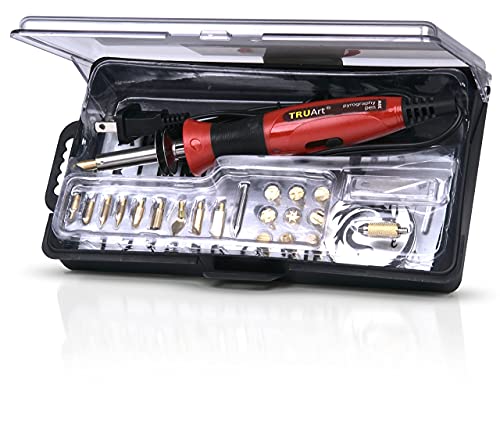
Select a high-quality soldering tool with adjustable temperature settings. This allows precise control, essential for achieving desired effects on the surface of the timber.
Tip for Branding
A branding iron can create distinctive marks. Ensure that the iron’s tip is made from durable metal and retains heat effectively. Choose a design that complements the aesthetics of your piece.
Surface Preparation Equipment
Invest in sandpaper with various grits to prepare surfaces. Begin with a coarser grit and finish with finer paper to achieve a smooth base before applying heat. A soft cloth will help remove dust, ensuring optimal results.
Use a respirator mask and goggles when working, as fumes can be harmful. A heat-resistant mat will protect your workspace from accidental burns.
Controlling Temperature During the Burning Process
I maintain a consistent temperature by using a thermometer designed for high heat applications. I monitor the temperature closely, aiming for a range of 800°F to 1100°F, as this range promotes optimal results. Immediate adjustments are necessary; I add or reduce fuel based on the thermometer’s reading.
Utilizing a forced air system or a fan helps enhance airflow, which aids in maintaining even heat distribution. This prevents uneven charring and promotes a uniform finish. I often experiment with different fan speeds to find the ideal balance.
I secure the material in a controlled environment, avoiding drafts that may disrupt heat levels. Insulating the workspace also minimizes temperature fluctuations, allowing for a steady heat source.
Throughout the process, I practice patience. Gradual heating reduces the risk of burning too quickly, which can lead to a brittle outcome. By meticulously controlling the heat, I ensure the integrity of the item remains intact.
Lastly, I document each session’s temperature settings and adjustments. This data becomes invaluable for future projects, allowing me to replicate desirable outcomes consistently.
Techniques for Achieving Desired Patterns and Textures
Select specific techniques to create captivating designs on the surface of timber. One approach involves utilizing a stencil. Cut intricate patterns from cardboard or thin plywood, then secure it on the surface. With a burner pen, trace along the edges to imprint the design, allowing for precision.
Shading with Layering
Layering is essential for depth. By adjusting the burner’s heat setting, I can achieve varying degrees of darkness. Start with a light touch, gradually increase pressure to build intensity. Overlaying multiple layers enhances the overall appearance, creating shadows that add dimension.
Texturing Techniques
Experiment with different tools, such as wire brushes or sponges. Rubbing the surface creates unique textures, and using a wire brush can simulate the look of aged timber. Dabbing with sponges adds randomness, breaking the monotony of uniform patterns.
Controlled movements help maintain consistency in patterns. Practice on scrap pieces first to refine skills before applying techniques to the final piece. Each approach contributes uniquely to the overall aesthetic, ensuring individuality in my creation.
Safety Measures While Igniting Pine Products
Always wear protective gear, including gloves, goggles, and a mask. This minimizes exposure to harmful particles and smoke during the process.
Site Preparation
- Choose an outdoor space away from structures and vegetation.
- Ensure proper ventilation if working in an enclosed area.
- Keep a fire extinguisher or a bucket of water/sand nearby for emergencies.
Handling Materials
- Inspect the selected material for any signs of mold or chemicals. Avoid using treated pieces.
- Do not ignite products containing resin or synthetics, as they release toxic fumes.
- Handle pieces carefully to avoid injuries from sharp edges or splinters.
Regularly check weather conditions; avoid windy days to prevent spreading embers. After completing, ensure all materials are fully extinguished before leaving the site.
Finishing Techniques After Burning Pine
After the charred surface is achieved, I focus on sealing the texture for durability and aesthetic appeal. Using a high-quality sealant is fundamental; it protects the surface while enhancing the colors and patterns created during the charring process.
Next, I apply stains or pigments to accentuate the burn patterns. Experimenting with different shades allows me to achieve a desired visual effect. It’s crucial to test on a scrap piece to observe how the stain interacts with the charred finish.
For a soft sheen, I consider applying a coat of polyurethane or a natural oil, such as linseed or tung oil. These options not only protect the surface but also enrich the grain, providing a beautiful depth to the final product.
I ensure that I sand lightly between coats for a smooth finish. Using fine-grit sandpaper prevents removing too much of the charred layer and helps the finish adhere better.
Finally, I pay attention to the final presentation. A thorough cleaning to remove any dust, along with polishing with a soft cloth, ensures that the piece is visually appealing and ready for use or display.
Common Mistakes to Avoid When Burning Pine
One of the key errors is choosing untreated or low-quality timber, which can lead to uneven coloring and unpredictable results. Always select pieces that are free from chemicals or excessive resin, as these can affect the outcome.
Inadequate preparation of the wood surface is another critical mistake. Always sand the area well to remove any rough spots; this enhances the absorption of heat and allows for better definition in patterns.
Skipping the drying process hampers effectiveness. Ensure that the timber has been properly dried to the appropriate moisture content to achieve consistent heat application.
Not controlling airflow during the process can create erratic heating. Maintain consistent ventilation to promote even burning and avoid unwanted scorch marks.
| Mistake | Consequence |
|---|---|
| Poor quality wood | Uneven coloration, unpredictable patterns |
| Insufficient surface prep | Poor pattern definition, inconsistent results |
| Skipping drying | Uneven heat application, excessive smoke |
| Ignoring airflow | Erratic heating, scorch marks |
Neglecting safety precautions can lead to accidents. Always wear appropriate gear, such as gloves and goggles, to protect against potential hazards.
Finally, don’t rush the process. Patience is essential for achieving desired results. Allow time for the piece to properly react to heat application, ensuring better depth and clarity in patterns.


