
 Caleb Turner

Focus on sustainable materials like bamboo, recycled wood, or metal to enhance ecological responsibility while crafting unique pieces. Incorporate techniques such as lamination or mortise-and-tenon joints for added durability and aesthetic appeal.
Utilize a minimalist design philosophy by emphasizing clean lines and functional elements. Prioritize multi-functionality, allowing items to serve several purposes without compromising on style. For instance, a coffee table can double as storage space, merging utility with elegance.


Experiment with color and texture to breathe life into your creations. Use bold hues or patterned fabrics to make a striking statement that complements any living space. Embrace contrast by pairing soft textiles with sleek surfaces to create visual interest.
Crafting Your Own Guide for Contemporary Creations
Begin with a well-defined layout. Clearly outline each section: materials, tools, techniques, and step-by-step methods. Each area should be accessible and visually appealing.
List materials in a dedicated section:
- Quality wood types: select plywood, hardwood, or engineered materials depending on the design.
- Hardware: ensure screws, hinges, and finishings match the aesthetic while being durable.
- Finishing products: choose stains, lacquers, or paints suited to the desired look.
Enumerate necessary tools for assembly:
- Power tools: drills, saws, and sanders for efficient processing.
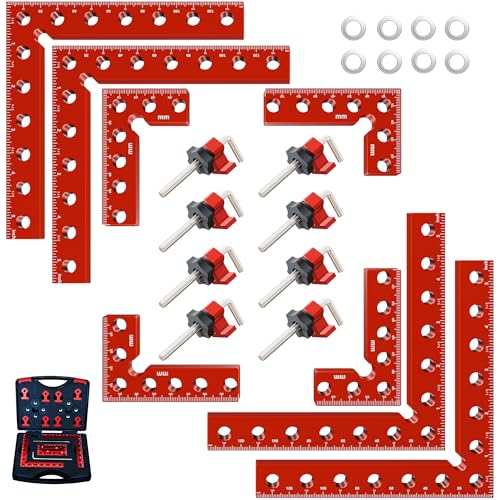
- Hand tools: clamps, chisels, and measuring tapes for precision.
- Safety gear: goggles and ear protection to ensure personal safety at all times.
Outline techniques with detailed descriptions:
- Joint construction: explain various joint types like mortise and tenon or dovetail, illustrating their strengths.
- Surface finishing: detail methods for sanding and applying finishes for a professional appearance.
- Assembly processes: guide through gluing and fastening techniques to create sturdy pieces.
Incorporate clear illustrations or diagrams showing each phase. Visual aids enhance understanding and retention. Use sequential imagery to reflect the logical flow of tasks.
Lastly, append troubleshooting sections to address potential issues. Include practical advice for correcting mistakes and refining techniques. This fosters confidence and encourages creativity.
Selecting the Right Materials for Contemporary Creations
Focus on durability and aesthetics. I prioritize materials that offer both visual appeal and structural integrity. Consider hardwoods like oak or walnut, as they provide strength and can be finished to a high standard. Plywood is also an option; it’s lightweight and less prone to warping.
Common Material Choices
| Material | Attributes | Usage |
|---|---|---|
| Hardwood | Strong, attractive, durable | Table tops, chairs |
| Plywood | Lightweight, stable, versatile | Cabinets, shelving |
| Metal | Industrial look, robust | Frames, legs |
| Plastic | Affordable, easy to maintain | Accents, upholstery |
Finishing Options
Select finishes that match the intended atmosphere. Oil-based finishes enhance grain and offer durability. Water-based finishes dry quicker but may not provide the same depth of color. Experiment with stains to achieve the desired hue, ensuring to apply a protective layer for longevity.
Lastly, consider eco-friendly options if sustainability aligns with your vision. Bamboo and reclaimed wood can provide unique aesthetics while minimizing environmental impact.
Designing Furniture Layouts for Optimal Space Utilization
I recommend using a scale drawing of your area. This helps visualize how each piece fits within the overall design. Start by measuring the length and width of the room, accounting for doorways and windows. Each item should have a defined space based on its size. A common guideline is to allow for at least 3 feet of walking space between major pieces.
Zones and Functionality
Identify zones within the room. For instance, if it’s a living space, designate a conversation area, a reading nook, and an entertainment section. Group items based on their purpose, which enhances flow and interaction. By doing this, you create a cohesive feel that aligns with daily activities.
Multi-Functional Solutions
Incorporate items that serve multiple purposes. A coffee table with storage or a bench that doubles as seating makes the most of limited space. I find that utilizing vertical space, such as shelving units or wall-mounted storage, also maximizes functional area without overcrowding the floor.
Experiment with arranging items using different layouts. A trial-and-error approach often reveals the most effective configuration. Remember to consider visual balance; arrange larger items next to lighter ones to create harmony. Utilizing rugs can also help define spaces, adding warmth and distinguishing areas within a single room.
Tools Needed for Creating Contemporary Craftwork
The first tool that I reach for is a circular saw. It allows precise cuts in various materials, whether it’s plywood or hardwood. A solid choice, especially for straight cuts.
Next on my list is a jigsaw. Perfect for intricate curves and shapes, it truly expands design possibilities. I rely on it for finishing touches that define character.
Don’t underestimate the power drill. This tool is crucial for assembly. With the right bits, it can handle screws and create holes in different types of wood effortlessly.
An orbital sander is indispensable. It provides a smooth finish, ensuring that surfaces feel professional and ready for staining or sealing.
I also find a router handy for edge shaping and adding profiles. It’s an incredible tool for enhancing aesthetics with minimal effort.
Finally, a reliable workbench serves as the foundation for any project. It should be sturdy and spacious enough to accommodate materials and tools while providing stability during assembly.
With this selection of tools, I can efficiently bring my designs to life, turning creative visions into tangible pieces.
Step-by-Step Process for Creating a Minimalist Chair
Choose a simple design that enhances functionality and comfort. My preferred style features clean lines and a single-color finish, reducing visual clutter.
Materials Selection
Opt for high-quality plywood or solid wood that offers durability while maintaining a lightweight profile. Select a non-toxic finish to ensure safety and longevity.
Assembly Instructions
1. Cut the wood into specified dimensions for the seat, backrest, and legs. Use a circular saw for smooth edges.
2. Sand all surfaces to eliminate rough patches, ensuring a pleasant touch.
3. Attach the legs to the seat using wood screws for stability. Pre-drilling holes prevents splitting.
4. Secure the backrest at a comfortable angle, ensuring it aligns with the seat to maintain ergonomic support.
5. Finish with a coat of oil or varnish to enhance the wood’s natural beauty and protect it from moisture.
6. Test the stability and comfort of the chair before using it. Make necessary adjustments for optimal seating experience.
Finishing Techniques for a Sleek Modern Look
To achieve a refined aesthetic, I often opt for a smooth sanding technique that starts with a coarse grit and progressively moves to a finer one. This method ensures a velvety surface that enhances both touch and appearance.
For staining, I select water-based products that offer a clean finish while allowing the natural grain to show through. I find that applying multiple thin layers, letting each dry completely, yields a rich depth of color without overwhelming the wood’s character.
When it comes to sealing, polyurethane finishes are my go-to. They provide excellent durability and resistance to wear, especially in high-use areas. I prefer a satin sheen for a contemporary vibe, which balances both gloss and matte aesthetics.
To add a touch of sophistication, I sometimes employ a technique known as ‘French polishing,’ which can bring out an exquisite luster. This involves applying shellac with a pad and multiple layers, resulting in a surface that almost glows.
For metal components, a matte powder coating achieves a sleek look that complements the wood, adding an industrial edge without compromising style. This finish also resists scratches and corrosion, maintaining the fresh appearance over time.
Finally, I always ensure that every surface is inspected under varied lighting conditions. This attention to detail reveals any imperfections and allows for meticulous touch-ups, ensuring the final piece meets a high aesthetic standard.
Incorporating Technology into Furniture Design
Integrate smart elements directly into your creations. Think about embedding wireless charging stations within tabletops. This allows users to power their devices seamlessly, enhancing functionality.
Consider including RGB LED lighting in pieces, allowing for an adjustable ambiance that caters to different moods and uses. Smart controls via mobile apps can make these features more interactive, offering a modern touch.
Utilize sensors that can adjust the height of desks or chairs automatically, improving ergonomics based on the user’s preferences. This approach not only appeals to tech enthusiasts but also promotes health and comfort.
Experiment with augmented reality applications to assist customers in visualizing how a piece looks in their space before making a purchase decision. This technology creates a more engaging shopping experience and reduces returns.
Incorporate sustainable technology like solar panels for external pieces, which can power outdoor lighting. It aligns with eco-conscious trends and attracts environmentally aware consumers.
3D printing can also play a large role. It allows for rapid prototyping and the creation of customized elements, providing a unique selling point and fostering individual creativity.
Finally, pay attention to integration options for smart home systems. Ensure that your pieces can connect with devices like voice assistants, offering convenience and modern living solutions.
Marketing Your Contemporary Creations
Identify your target audience and tailor your messaging accordingly. Conduct surveys or interviews to understand potential customers’ preferences and needs. Focus on demographics, lifestyle choices, and pain points that your designs address.
Leverage Online Platforms
Utilize social media channels such as Instagram, Pinterest, and Facebook. These platforms are visually driven and allow for showcasing your creations effectively. Create high-quality images and engaging content that resonates with your audience.
- Regularly post new designs and behind-the-scenes content.
- Engage with your audience through comments and direct messages.
- Collaborate with influencers in the home decor niche for wider reach.
Develop an E-commerce Strategy
Set up an online store that highlights your products clearly. Use user-friendly interfaces and optimize for mobile devices to enhance customer experience.
- Incorporate high-resolution images and detailed product descriptions.
- Utilize SEO techniques to drive organic traffic to your site.
- Offer promotions or discounts to attract first-time buyers.
Consider email marketing campaigns to keep your audience informed about new releases or exclusive sales. Use targeted messaging to increase engagement and conversion rates.
In-person events, such as local craft fairs or pop-up shops, can also boost visibility. Direct interaction with customers helps build brand loyalty and personal connections.
Networking with interior designers and architects can open doors to collaborative projects and referrals. Attend industry events, workshops, and trade shows to establish relationships.
Focus on building a strong brand identity. Consistent branding in your communication, packaging, and online presence helps create recognition and trust in your creations.
FAQ:
What materials are recommended for building modern furniture?
When constructing modern furniture, a variety of materials can be utilized based on the desired aesthetics and durability. Common choices include plywood, which is versatile and cost-effective; hardwoods like oak and walnut for their strength and grain patterns; and engineered wood for stability. Metal components, such as steel or aluminum, can add a sleek look and structural integrity. Additionally, incorporating glass elements can enhance the visual appeal. Ultimately, the choice depends on the intended use, style preferences, and environmental factors.
How can I ensure my furniture design is ergonomic?
Creating ergonomic furniture involves understanding human anatomy and comfort. Start by considering the dimensions that correspond to the average user’s height and posture. Utilize adjustable features for seating and work surfaces to accommodate various users. Test the design by evaluating how it feels during prolonged use—check for pressure points and alignments. Including rounded edges and softer materials can enhance comfort, while ensuring that the structure provides adequate support is key. Gathering feedback from potential users can also help refine the design for better ergonomics.
What tools do I need to build modern furniture at home?
To build modern furniture at home, a basic set of tools is quite sufficient. Essential tools include a circular saw or miter saw for cutting wood, a drill for creating holes and driving screws, and a sander for smoothing surfaces. A level ensures that pieces are even, while clamps help hold components firmly during assembly. Measuring tools like a tape measure are critical for accurate dimensions. As you gain experience, consider expanding your toolkit with more specialized items, but these basics will allow you to take on various projects.
What design trends should I consider when creating modern furniture?
When designing modern furniture, several trends can inspire your creations. Minimalism continues to be popular, focusing on simplicity and functionality. Incorporating natural materials like wood or stone can add warmth and an organic touch. Multi-functional furniture is also in demand, as people seek solutions for smaller living spaces. Additionally, bold colors and geometric shapes can make striking statements. Researching current styles and spending time on platforms like Pinterest or design blogs can provide valuable insights into what resonates with contemporary audiences.


