
 Caleb Turner

Begin with a clean, microfiber cloth to gently wipe away dust and debris from the surface. This initial step ensures no particles interfere with the treatment process. This fabric is non-abrasive and helps maintain the integrity of the finish.
Next, apply a quality wax or polish suitable for your surface type. Using a soft cloth, spread a thin, even layer of product, ensuring complete coverage. Allow it to sit for a few minutes to set, letting the material absorb the treatment effectively.
Finally, use a clean section of the cloth to buff the surface in circular motions. This technique helps achieve a glossy finish without leaving streaks. Regular maintenance with this method can significantly enhance the longevity and appearance of your cherished items.
Buffing Process for Waxed Surfaces
To enhance the shine of treated surfaces, use a clean, soft cloth or microfiber towel. Ensure the cloth is free from any debris to prevent scratches. Gently rub the surface in circular motions to evenly distribute the existing wax. Applying light pressure will help bring out the luster without damaging the finish.
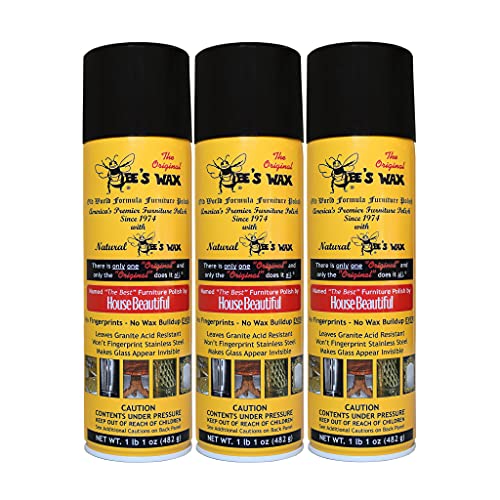


For best results, choose a natural beeswax or carnauba wax as these will provide a high-gloss outcome. If the piece requires more attention, consider applying a fresh layer of wax before the buffing process. Wait for the wax to become slightly hazy–this typically takes about 10 to 15 minutes–before proceeding with the cloth.
| Step | Action |
|---|---|
| 1 | Gather materials: soft cloth and wax. |
| 2 | Apply wax evenly if needed. |
| 3 | Wait until the wax is slightly hazy. |
| 4 | Buff the surface in circular motions. |
| 5 | Inspect and repeat if necessary. |
When using this method, you ensure the longevity of the finish while achieving a brilliant sheen. Regular maintenance with this approach will keep the pieces looking fresh and appealing.
Choosing the Right Wax for Buffing
For restoring the shine of treated surfaces, I recommend using a high-quality natural beeswax. This type of wax not only enhances the appearance but also provides a protective layer.
Another option is carnauba wax, known for its durability and gloss finish. It gives a harder surface than beeswax, making it ideal for items that experience more wear.
Look for waxes that are labeled as food-safe if the surface is used in kitchens or dining areas. These waxes are made from natural ingredients, ensuring safety during use.
Be mindful of the formulation as well; avoid products with harsh chemicals or artificial scents. Opting for a pure wax will yield better longevity and a more authentic finish.
Before applying any type, checking the manufacturer’s recommendations is crucial. Different finishes or woods may react differently, so a compatibility check can prevent damage.
I prefer a paste format over liquid, as it allows for more control during application. The paste ensures a more even spread and enhances the overall result.
Cleaning the Surface Before Buffing
I recommend starting any restoration process by ensuring the surface is free from dust, grime, and residues. A clean area significantly enhances the result of the polishing technique utilized later.
For an effective clean, use a microfiber cloth slightly dampened with warm water to gently wipe down the surface. This method picks up dirt without scratching the finish. Avoid using excessive moisture, as it may damage the coating beneath the finish.
If stubborn stains or sticky substances persist, prepare a mild solution with a few drops of dish soap mixed in water. Apply this solution using a clean cloth, and then immediately follow up with a dry microfiber cloth to remove any soap residue.
In cases of deeper cleaning, consider using a specialized cleaner designed for treated surfaces. Always test the product on an inconspicuous area first to ensure it does not harm the finish. Follow the manufacturer’s instructions for the best results.
After thoroughly cleaning, inspect for any remaining debris. A detailed check guarantees the shine will not be compromised during the polishing process.
| Steps | Materials Needed |
|---|---|
| 1. Dusting | Microfiber cloth |
| 2. Wiping Surface | Warm water |
| 3. Stain Removal (if needed) | Dish soap, water |
| 4. Testing Cleaners | Specialized surface cleaner |
| 5. Final Inspection | None |
Tools Needed for Buffing Waxed Furniture
For my task of enhancing the surface sheen of coated wood pieces, I prepare a specific set of tools to ensure the process is smooth and yields consistent results.
Must-Have Equipment
- Soft Cloths: Lint-free microfiber cloths or cotton rags are ideal for applying pressure without scratching.
- Buffing Pad: A compatible pad for electric tools helps achieve a high-gloss finish with less physical effort.
- Handheld Polisher: An electric polisher can significantly reduce time and labor, giving an even sheen.
Optional Tools
- Brush: Soft-bristled brushes help in reaching edges and detailed designs, ensuring no area is overlooked.
- Fine Sandpaper: Sometimes necessary for minor surface imperfections, choose a grit that won’t damage the underlying finish.
- Applicator Sponge: Useful for gentle application of product before the buffing process, allowing for even coverage.
Having the right tools simplifies the experience and improves the outcome significantly. I always check my inventory before starting this maintenance routine to ensure I have everything needed at hand.
Applying Wax Uniformly to the Surface
For achieving a smooth finish, I recommend using a soft, lint-free cloth. This prevents streaks and promotes an even application. Start by selecting a well-ventilated area to work in, as this will enhance the working conditions and help the product set properly.
- Take a small amount of wax on your cloth. Less is often more to avoid buildup.
- Begin applying the product with gentle, circular motions. This technique allows the wax to spread evenly across the surface.
- Focus on one section at a time to ensure complete coverage and uniform appearance.
- Keep an eye on edges and corners, as they often require more attention to avoid missed spots.
Let the wax sit for a few moments to penetrate. This waiting period allows for better adhesion to the surface and a more durable shine.
After the initial application, lightly buff the surface with a clean, dry cloth in a similar circular motion. This step enhances the sheen and removes any excess wax that may have accumulated.
Completing this process not only protects your items but also significantly improves their aesthetic appeal. Regular maintenance with this method will ensure a lasting, beautiful finish. Remember to inspect the work, and if necessary, apply a second coat for added depth.
Techniques for Buffing Waxed Furniture
To achieve a glossy finish, I utilize a microfiber cloth. Its soft texture prevents scratches while effectively distributing the product across the surface. I begin by folding the cloth into quarters, allowing me to use different sides as I work.
Starting with circular motions, I gradually increase the pressure to bring out the shine. I ensure that I cover every inch, paying special attention to edges and corners where the finish often fades. For those tougher spots, a back-and-forth motion can help break down any stubborn residue.
For a more intense shine, I sometimes switch to a lambswool pad attached to a low-speed buffer. This tool provides even coverage, but it’s crucial to keep it moving to avoid overheating any area.
After the first layer has set, I inspect the surface for any uneven patches. If I find imperfections, I reapply the product sparingly to those specific areas and repeat the buffing technique. Patience is key; allowing the wax to cure properly before buffing minimizes the chances of smudging.
Lastly, I maintain a clean workspace. Dust and debris can hinder the finishing process, so I always make sure to wipe down my tools and surfaces in between applications. This step ensures that the final result is as polished as possible.
Understanding Different Buffing Materials
For polishing surfaces effectively, I prefer using cotton cloths as they provide a smooth finish without scratching. Microfiber towels are another excellent choice due to their softness and ability to trap dust and debris, ensuring a clean application.
When considering pads, wool pads can achieve a high gloss while minimizing friction. They’re particularly effective for larger areas. Conversely, foam pads offer a gentler approach, ideal for detailed work or delicate finishes.
Using a hand-held applicator can aid in achieving even pressure across the surface, making the process less labor-intensive. Be cautious with synthetic options; while they can be effective, they might risk damage if not handled correctly.
Lastly, avoid using abrasive materials or steel wool, as these can create unsightly scratches and damage the surface finish. Instead, opt for softer alternatives that maintain the integrity of the surface while enhancing its appearance.
Identifying Signs of Damage Before Preparation
Inspect the surface closely for scratches and dents. A magnifying glass can help reveal small imperfections that might otherwise go unnoticed. Pay special attention to corners and edges, where wear is often more pronounced.
Checking for Discoloration
Look for patches that appear dull or faded compared to surrounding areas. This indicates that the protective layer may be compromised, making the surface more susceptible to additional damage. Dark spots or stains can signal moisture damage, requiring immediate attention.
Assessing Structural Integrity
Ensure that joints and connections are secure. Wobbly legs or loose hinges suggest structural concerns that need addressing prior to any surface treatment. Tapping lightly can help you detect any rattling sounds, which may signify underlying issues.
Maintaining Your Buffed Finish Over Time
To preserve the luster of your polished surfaces, periodic maintenance is key. Regularly dust with a soft, dry cloth to prevent abrasive dirt buildup. I recommend using a microfiber cloth, as it traps dust effectively without scratching the finish.
Routine Conditioning
Every three to six months, a light application of conditioner will rejuvenate the sheen. Opt for a natural conditioner free from harsh chemicals. Apply sparingly to avoid buildup, focusing on areas that receive direct contact or sunlight.
Immediate Attention to Damage
Address minor issues like scratches or dull spots as soon as they appear. For superficial scratches, I use a fine-grade sanding pad followed by a touch-up application of the protective coating. This quick repair can extend the life of the finish significantly.
Common Mistakes to Avoid When Buffing
One of the most frequent errors is using the wrong type of cloth. I always choose a soft, lint-free material to prevent scratches. Avoid terry cloth or anything abrasive, as these can damage the surface.
Not conditioning the surface beforehand is another common mistake. I never skip the cleaning step. Dust and debris can create uneven areas during the polishing process. A thorough wipe-down with a damp cloth is essential before starting.
Applying too much product can lead to a sticky mess. I focus on using a little at a time, working it into the surface gradually. It’s better to add more later than to deal with excess wax that won’t buff out.
Using excessive pressure while polishing can also cause problems. I practice a gentle touch, allowing the cloth to do the work rather than forcing it. This helps achieve an even sheen without damaging the finish.
Rushing the process often leads to unsatisfactory results. I take my time, allowing each layer to dry completely before attempting to shine the surface. This patience is key for a smooth outcome.
Finally, I avoid neglecting maintenance. It’s crucial to regularly care for the finish post-buffing to ensure longevity. A quick touch-up every few months keeps surfaces looking pristine.


