Caleb Turner
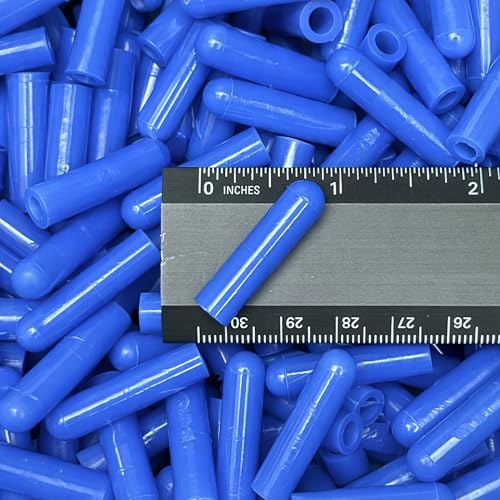
Using protective pads on the legs of your seating and tables is a simple yet powerful strategy. These small accessories create a barrier that prevents hard surfaces from directly touching your paint or wallpaper, significantly reducing the chance of scratches and indentations.
Strategically placing your items away from corners and high-traffic areas can also make a noticeable difference. Keeping a safe distance from walls ensures that movement doesn’t unintentionally lead to unwanted damage.
Regularly checking the positioning of your household items can help, as furniture tends to shift over time. By periodically adjusting their locations, you can maintain that protective distance from your decors, ensuring your walls remain pristine.
Using wall protectors or corner guards in key areas adds an additional layer of defense. These items are designed to absorb impact, providing cushion against any accidental bumps.


Lastly, consider using lighter materials or minimalist designs for your decor. This not only emphasizes clean lines but also reduces the potential for pressure marks caused by excessively heavy items pressing against the wall.
Avoiding Imprints from Home Decor
Using felt pads under heavy items significantly reduces the risk of surface damage. These pads create a barrier between the object and the painted facade, preventing scratches and scuffs. Regularly checking and replacing worn pads can enhance their protective qualities.
Relocating Strategically
When arranging your pieces, consider placement to minimize contact with vertical surfaces. Aim for a few inches of space between larger pieces and the surrounding structures. This gap provides a safeguard against unexpected shifts or movements.
Regular Maintenance
Dust and clean both the items and adjacent surfaces routinely. Accumulated dirt can contribute to friction, increasing the chances of damage when furniture is moved. Using gentle cleaning agents ensures that neither the decor nor the underlying surface takes a hit.
Opting for Lightweight Options
Selecting lighter alternatives for frequently relocated items can make a substantial difference. Lightweight pieces are easier to handle, diminishing the likelihood of accidents that might result in unsightly results on the nearby surfaces.
Investing in Protective Coatings
Applying protective finishes on the surfaces can be an effective measure. These coatings not only help repel marks but also enhance durability, ensuring that walls stay pristine regardless of disturbances.
Choosing the Right Wall Paint Finish
I recommend opting for a satin or eggshell finish for interior surfaces. These options strike a balance between durability and aesthetic appeal, making them easier to clean without the need for excessive scrubbing.
Matte finishes can show wear and tear more quickly, leading to potential issues over time. For high-traffic areas, consider semi-gloss, as it provides increased resilience against scuffs and stains while still maintaining a pleasant appearance.
When selecting paint, ensure it is formulated for easy touch-ups. Many manufacturers offer specific lines designed to withstand regular wear, giving peace of mind in areas prone to contact.
Keep in mind the color’s effect on visibility. Lighter shades may obscure minor imperfections and marks better than darker tones. Always test a small area before finalizing your choice to ensure satisfaction with the result.
Utilizing Furniture Pads and Protectors
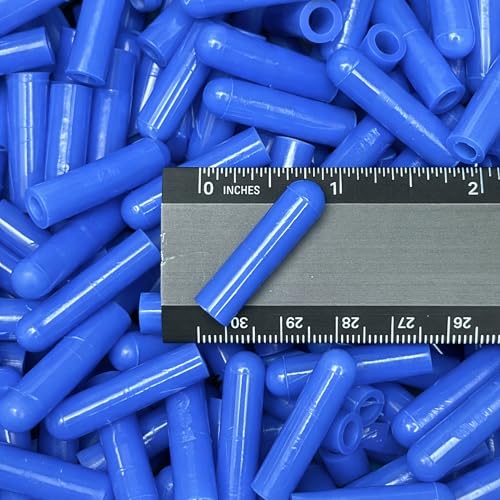
Adopting quality pads and protectors for the base of each item can significantly minimize damage to painted surfaces. I recommend selecting adhesive felt pads or silicone caps tailored to the specific legs of your pieces. These not only prevent scratches but also reduce friction when moving items.
It’s essential to evaluate the weight and type of each section you wish to shield. For heavier objects, rubber or thick felt are superior choices, as their density provides a cushion that disperses pressure evenly. In contrast, lighter fixtures may only require basic felt pads.
Make regular inspections of the pads to ensure they remain intact. Over time, wear can diminish their protective qualities. If I notice any signs of damage or wear, I promptly replace them to maintain optimal protection.
For added security, I advise using corner guards. They are particularly useful in high-traffic areas where the likelihood of impacts is greater. These protectors not only shield paint but also help to maintain the integrity of the corners, which are often most vulnerable.
| Type of Protector | Best Usage | Material Recommendations |
|---|---|---|
| Felt Pads | Lightweight items | Adhesive felt |
| Rubber Caps | Heavy pieces | Thick rubber |
| Silicone Feet | Various surfaces | Soft silicone |
| Corner Guards | High-traffic areas | Plastic or foam |
Implementing these strategies can preserve the aesthetics of my space, ensuring both sav a beautiful environment and promoting longevity of my paintwork.
Strategically Placing Furniture Away from Walls
I recommend positioning seating and tables at least a few inches from the surface to minimize contact. This spacing allows for air circulation and prevents scuffing.
Consider using a ruler or measuring tape to establish adequate distance based on the size of your pieces. For larger items, such as couches, aim for a minimum gap of 6-12 inches.
Arranging furniture diagonally in a room can also reduce pressure on corners and edges against vertical structures. This not only protects the surfaces but enhances aesthetic appeal, creating a more dynamic layout.
In smaller spaces, utilize versatile pieces that can be easily moved, such as small side tables or ottomans, which can fit into various configurations without fuss.
Lastly, when furnishing open floor plans, create zones by positioning items away from boundaries, encouraging a more cohesive and inviting atmosphere while safeguarding against any damage.
Regularly Rearranging Furniture Layout
Engaging in periodic shifts of your arrangement not only refreshes your space but also mitigates potential damage. By altering the positioning of large items frequently, I distribute pressure on the surfaces, thereby minimizing the risk of blemishes.
Consider creating a rotation schedule for your decor. Every few months, take the opportunity to reposition heavier pieces. This simple practice will help prevent long-term indentations or discoloration on your surfaces.
Visualizing the space from different angles can also inspire new configurations. Using chalk or tape to outline previous placements on the floor can assist in trial layouts without heavy lifting. In doing so, you’ll discover innovative placements that enhance both aesthetics and functionality.
Involving family members or friends during this process can also make it more enjoyable. Their perspectives might introduce ideas I hadn’t considered, resulting in a layout that not only looks appealing but is also practical for daily use.
Moreover, if you are working with a limited space, considering multi-functional pieces can simplify rearranging while maintaining room integrity. Opting for items with wheels or lighter designs can facilitate quick changes, further assisting in preserving my surfaces.
By consistently experimenting with new configurations, I can enjoyed a refreshed environment, while ensuring that my surfaces remain protected from unwanted imprints.
Implementing a Cushioning Solution Behind Furniture
To protect surfaces from damage, I recommend using foam padding or soft fabric cushions placed between the pieces and the walls. These materials act as a buffer, absorbing impact and preventing scratches or indentations.
Choose adhesive-backed felt pads or thick foam strips that can be cut to size. These can be attached directly to the back of items, ensuring a seamless appearance while providing adequate cushioning.
If the furniture is heavy, consider using a thicker layer of cushioning to support the weight and minimize pressure on the walls. Regularly check the condition of these pads, as worn-down or damaged cushioning will lose its protective qualities.
For large furniture, such as bookshelves or dressers, installing furniture bumpers or corner guards can also be effective. These products can be retained in place and offer an extra level of safety against shifting or movement.
Using sturdy pads can save surfaces from unintentional wear and tear, prolonging the life of both your furnishings and your interior. Each protective measure brings reassurance, ensuring a clean and maintained environment.
Maintaining Proper Humidity Levels in Home
To ensure optimal moisture content in living spaces, I regularly use a hygrometer to measure humidity levels. Ideally, indoor humidity should fall between 30% and 50%.
If fluctuations occur, I employ a combination of dehumidifiers and humidifiers. In dry seasons, humidifiers help maintain adequate moisture, while dehumidifiers work during overly damp periods.
Best Practices
- Ventilate areas prone to moisture, such as kitchens and bathrooms. I always keep exhaust fans running during and after cooking or showering.
- Investigate any leaks promptly. Any signs of water damage signal a need for immediate repair to prevent mold growth.
- Houseplants can enhance humidity levels naturally. I place them in various rooms, but keep an eye on their water needs to avoid excess moisture.
Seasonal Adjustments
- In winter, I monitor my heating system’s output. Some systems can dry the air drastically, so I place bowls of water near heat sources to add moisture.
- During warmer months, I make sure to close windows on humid days, using air conditioning to control moisture indoors effectively.
Regular checks and adjustments can lead to a comfortable atmosphere, minimizing the chances of surface damages from environmental factors.
Cleaning Surfaces and Furnishings Regularly
Incorporating a consistent cleaning routine for surfaces and furnishings minimizes the risk of damage over time. Regularly dusting and wiping down areas reduces the buildup of dirt that can lead to scuffing and discoloration.
Recommended Cleaning Schedule
- Daily: Dust surfaces using a microfiber cloth to trap particles effectively.
- Weekly: Use a damp cloth to wipe surfaces, ensuring any stubborn marks are addressed promptly.
- Monthly: Deep clean with an appropriate solution based on the surface material to maintain its integrity.
Effective Tools and Supplies
- Microfiber cloths: Capture dust and grime without scratching.
- Mild cleaners: Choose solutions suitable for specific materials to avoid damage.
- Soft-bristle brushes: Ideal for intricate designs on furnishings and textured walls.
By following this cleaning regimen, I can prevent long-term impacts and keep both surfaces and furnishings looking their best. Regular maintenance ensures no unwanted build-up contributes to wear and tear or unsightly appearance.
Inspecting and Repairing Any Existing Damage
Regular inspections of surfaces are crucial. I check for dents, scratches, or scuff marks that might have developed over time. A soft cloth and mild detergent often work wonders for cleaning; if deeper residue persists, I consider a specialty cleaner suitable for the specific surface type.
Assessing and Addressing Imperfections
For minor scratches, applying touch-up paint can blend imperfections effectively. I keep paint from previous touch-ups nearby for quick fixes. Dents may require wood filler or spackling paste if the surface is a painted drywall. After applying, I sand lightly to ensure a smooth finish.
Conditioning Surfaces
For significant damage, I may need to repaint an entire section. Selecting a shade that closely matches the surrounding area ensures continuity. I also keep an eye on peeling or fading, which may indicate that a repaint is due across the entire surface. Maintaining a consistent inspection schedule helps mitigate potential issues before they escalate.
Using Furniture with Soft Edges and Corners
Opt for pieces designed with rounded edges and corners to minimize potential damage to surfaces. This selection not only adds a contemporary feel but also reduces risk during movement or contact.
Consider soft upholstery and materials that provide cushioning. For instance, upholstered sofas or chairs with padded arms and backs can create a barrier that absorbs any impact.
Evaluating the use of items like ottomans with foam padding enhances the protective aspect, allowing them to act as both functional and safety-oriented elements within the space.
In rooms with children or pets, prioritize items that offer a softer profile, ensuring safety while maintaining aesthetic appeal.
Regularly review your choices for furniture to ensure they meet design and functional needs, contributing to a harmonious living space devoid of blemishes on surfaces.