
 Caleb Turner
The choice of compact seating options is key. Opt for foldable or stackable chairs that you can easily store away when not in use. This gives you flexibility, allowing you to free up space for other activities or a gathering.
Incorporate a multifunctional table that serves both as a dining spot and a place for games or drinks. Look for designs that offer hidden storage to keep the area tidy while still having essential items on hand.
Consider placing a small outdoor rug to define the area, adding a cozy feel without overwhelming the senses. This simple addition can help to visually separate your relaxation zone from the surrounding space.
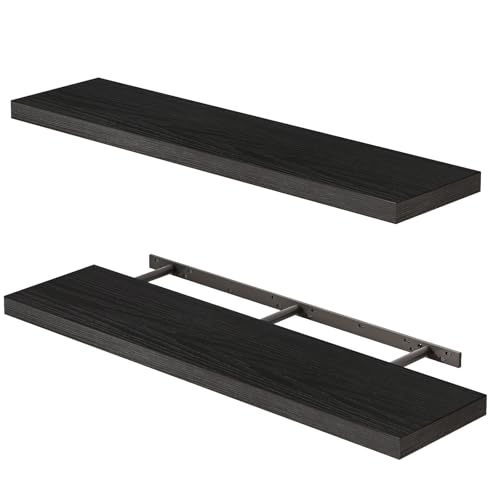
Creating vertical elements, such as wall-mounted shelves or plant hangers, draws the eye upward, making the area feel more expansive. Selecting lightweight plants or decorative items for these installations can enhance the ambiance without taking up valuable ground space.


Finally, lighting plays a significant role in enhancing the atmosphere. String lights or lanterns can create an inviting environment, perfect for evening gatherings. Choose fixtures that complement your chosen style to unify the entire aesthetic.
Optimal Setup for a Compact Outdoor Space
Prioritize dual-purpose items like a bench with built-in storage or a table that doubles as a serving surface. This choice maximizes utility while minimizing clutter. I suggest circular tables since their shape promotes conversation without hogging space.
Efficient Layout Techniques
Position seating against the railing to create an open center area for movement. This arrangement not only generates an illusion of spaciousness but also encourages airflow, enhancing comfort. Utilize vertical space by incorporating wall-mounted shelves for plants or decor, keeping the floor area clear.
Color and Material Choices
Opt for light-colored textiles to reflect sunlight, making the area feel larger and more inviting. Lightweight materials like aluminum or wicker are easier to move, allowing for quick adjustments based on your needs. Mixing textures can add interest without overwhelming the senses.
Incorporate elements like planters or outdoor rugs to define zones. This method distinguishes lounging from dining areas, imparting an organized aesthetic. Lastly, maintaining a cohesive color palette ties everything together, enhancing the overall appeal of the setup.
Choosing the Right Size Furniture for Limited Space
Select compact pieces that do not overwhelm the area. Opt for options like bistro tables and stacking chairs, which can be easily stored when not in use. Measure the space before making any purchases to ensure a comfortable fit.
Recommendations for Sizes
- Outdoor dining tables: Aim for a diameter of 30-36 inches for two to four people.
- Chairs: Consider foldable or stackable models that usually range from 18-24 inches wide.
- Loungers: If you want to include seating, look for ones that are no wider than 27 inches.
Utilizing Vertical Space
- Include wall-mounted shelves for plants or decor.
- Incorporate hanging options, like swings or hammocks, to save floor area.
- Vertical gardens can enhance aesthetics without consuming ground space.
Choosing pieces that serve multiple functions can maximize usability. For instance, utilize ottomans that offer storage while serving as additional seating. Prioritize lightweight materials for easy rearrangement during events or gatherings.
Arranging for Comfort and Accessibility
Utilizing furniture that encourages easy movement transforms a limited space into a cozy retreat. I recommend using lightweight pieces that can be easily shifted as needed. Consider items like stackable chairs or foldable tables, which expand or contract depending on your use. Prioritize a layout that creates clear pathways for seamless navigation.
When selecting seating, opt for options that offer maximum comfort without compromising space. For instance, low-profile benches against the railing can provide ample seating without overwhelming the area. Add comfortable cushions to enhance the sitting experience.
Position the seating to face each other rather than a singular direction. This layout fosters conversation and promotes a welcoming ambiance. If possible, create a focal point, such as a small fire pit or decorative planter, to draw attention and add visual interest.
Incorporate multi-functional pieces that serve more than one purpose. A side table can double as storage; a pouf can function as both a footrest and extra seating. Utilizing these versatile options enhances both accessibility and comfort.
- Leave at least 24 inches between items to allow for ease of movement.
- Utilize vertical space with hanging plants or wall shelves, keeping the floor area free.
- Consider a rug to define the space and provide a cozy feel, ensuring it’s secured to prevent tripping.
Lighting also plays a key role. Add ambient lights to create a warm atmosphere and ensure essential areas are visible during the evenings. String lights or lanterns can provide both function and charm without taking up floor space.
Regularly reassess your arrangements to adapt to changing needs or preferences. Flexibility in setup allows for a dynamic communal area, supportive of both relaxation and socializing.
Incorporating Vertical Solutions to Maximize Space
Utilizing wall-mounted shelves allows me to free up precious floor space while displaying plants and decorative pieces. I focus on adjustable shelving systems that enable changes as my needs evolve. These systems can be tailored to accommodate various items, providing flexibility without consuming ground area.
Vertical gardens or wall planters not only add greenery but also enhance privacy. I prefer modular options that can be easily rearranged or expanded depending on the mood or season. By choosing plants that complement each other in height and color, I create an inviting atmosphere.
Utilizing hanging storage solutions, such as baskets or hooks, is beneficial for items like tools, cushions, or outdoor decorations. I find that they keep surfaces clear while still being within reach. Additionally, multi-tiered storage adds depth and organization without overwhelming the space.
Incorporating tall, slim furniture like a vertical bar cart can serve dual purposes: it provides space for refreshments while maintaining a sleek profile. This approach helps me maintain a streamlined look in tighter areas, promoting openness.
Lastly, adding art or mirrors to vertical surfaces enhances the perception of space. I strategically place reflective pieces to bounce light around, making the area feel larger. This simple trick not only elevates the visual appeal but also generates a sense of airiness.
Using Multi-Functional Furniture Ideas
Opt for pieces that serve dual purposes. For instance, choose a bench that provides seating and features hidden storage for outdoor essentials. This not only maximizes efficiency but helps keep the area tidy.
Modular Options
Consider modular seating arrangements that can be easily reconfigured. These adaptable pieces can transform from a cozy lounge setup to a straightforward dining area depending on the occasion.
Multi-Use Tables
Incorporate tables that can double as workspaces. A foldable or extendable table allows you to adjust the surface area as needed. Check for versions with shelves or drawers where you can store items out of sight.
| Furniture Type | Multi-Functionality |
|---|---|
| Storage Bench | Seating and storage for cushions or tools |
| Modular Sofa | Rearrangeable seating for various layouts |
| Folding Table | Compact for everyday use, expands for gatherings |
| Ottoman | Extra seating and hidden storage |
| Stackable Chairs | Convenient storage, easy to reposition |
By selecting versatile pieces, creating functional outdoor areas becomes simpler, allowing for more comfort and enjoyment in limited space.
Creating Zones for Different Activities on the Deck
To maximize the usability of your outdoor space, divide it into distinct areas tailored for specific activities. This will enhance both functionality and enjoyment. Start by determining the primary uses: relaxation, dining, and socializing. Each area can be demarcated with rugs or cushions, creating visual boundaries while maintaining an open feel.
Relaxation Area
For a quiet retreat, position a couple of comfortable lounge chairs or a chaise near a corner. Include side tables for drinks or books, and consider adding a small fire pit or tabletop heater for cooler evenings. Incorporating greenery with potted plants can add tranquility and privacy.
Dining Space
Opt for a compact bistro set or a foldable table with chairs to ensure dining flexibility. Place this area near the kitchen entrance for convenient serving. Make use of overhead lighting or string lights to create an inviting atmosphere after sunset. Don’t forget to leave ample room for movement around this zone to avoid any cramped feeling.
Accessorizing to Enhance the Atmosphere Without Clutter
Opt for a few select decorative pieces that resonate with your personal style. A potted plant or a small herb garden not only adds color but also freshens the air. Use vertical planters to save space while creating a lively ambiance.
Lighting Choices
Incorporate string lights or battery-operated lanterns to create a warm and inviting glow during the evening. Avoid bulky light fixtures that can overwhelm limited areas. Instead, consider small, discreet lighting elements that enhance the space without feeling obtrusive.
Textile Layers
Introduce soft furnishings through cushions and throws in coordinating hues and patterns. Opt for weather-resistant materials for durability. Arrange them to create comfort without overcrowding, allowing for easy movement. Remember to maintain a cohesive color scheme to avoid visual chaos.


