
 Caleb Turner
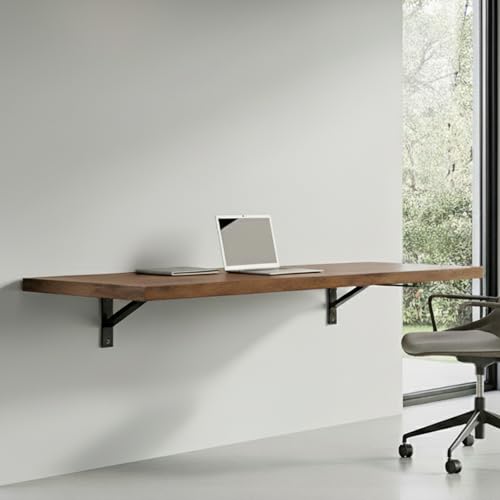
Utilizing multi-functional pieces is key in a challenging space. Consider investing in a coffee table that doubles as storage or an ottoman that offers seating and a place to keep blankets. This strategy not only maximizes utility but also maintains an uncluttered appearance.
Another effective approach involves creating distinct zones. I often employ rugs to visually separate areas such as a reading nook from the main seating arrangement. This method enhances the functionality of the environment without the need for extensive renovations.
Avoid placing large items against walls. Instead, I position them slightly away to promote flow and circulation. This subtle change fosters an inviting atmosphere, encouraging conversation and movement throughout the area.


Take advantage of vertical space. Wall-mounted shelves or tall bookcases draw the eye upward, making the environment feel more expansive. I find that incorporating plants or artwork at varying heights adds interest and depth.
Lastly, consider the arrangement of seating to prioritize comfort and accessibility. Keeping traffic paths clear allows for easy movement and ensures that each piece serves its purpose effectively. I often experiment with angles rather than traditional linear layouts, which can bring a fresh perspective to an unconventional setting.
Optimizing Space in a Challenging Setup
Consider using multi-functional elements. A sofa bed or an ottoman with storage can accommodate guests and hide clutter, maximizing utility. These pieces serve several purposes without taking up excessive space.
Placement Techniques
Utilize wall space effectively by positioning a sectional or sofa against a long wall. Pair it with a slim console table to hold décor or necessities without obstructing pathways. This setup creates openness while ensuring comfort.
Incorporating Zones
- Create defined areas within the space for various activities, such as reading or socializing.
- Utilize rugs to delineate zones, establishing boundaries for each area while adding warmth and texture.
- Place accent chairs or bean bags in corners to encourage casual seating without overwhelming the area.
Adjusting lighting can enhance each section. Use floor lamps or wall sconces to brighten specific spots, making them inviting while ensuring the space remains balanced and harmonious.
Lastly, mirrors can add depth. Position a mirror opposite a window to reflect light, making a compact area feel larger and more open, thus enhancing the overall ambiance.
Assessing the Room’s Layout and Dimensions
Begin with a precise measurement of the area. Use a tape measure to capture the length and width of the space, and note the location of windows, doors, and any architectural features such as fireplaces or built-in shelving. This data will serve as the foundation for arranging items effectively.
Next, create a scaled diagram on paper or a digital platform. Indicate the positions of windows and doors along with any electrical sockets. This visual representation aids in envisioning placement options and calculating traffic flow.
Consider Scale and Proportions
Evaluate the sizes of individual elements you wish to include. Large pieces can overwhelm a smaller area, while tiny items can get lost in expansive spaces. Aim for a harmonious balance by mixing different sizes but maintaining proportionality relative to the dimensions of the area.
Traffic Patterns and Flow
Identify key paths where foot traffic will occur. Ensure these routes remain unobstructed for easy movement throughout. In the case of a narrow area, arrange seating in a way that encourages conversation without blocking access points. Comfort and accessibility are paramount for a pleasant atmosphere.
Choosing a Focal Point for the Space
I always prioritize identifying a focal point as it significantly influences the overall vibe. A fireplace, a striking piece of art, or a large window can serve this purpose. Position seating to encourage interaction with this central element, ensuring it’s not overlooked. For instance, if a fireplace stands out, arrange chairs and sofas in a circular configuration around it to enhance its draw.
Prioritize Comfort and Functionality
The furniture should not only complement the focal point but also provide comfort. If you have a TV, consider how to integrate it into the layout without detracting from other key features. Avoid cluttering the view; alignment with your focal point can create a streamlined look that promotes a welcoming atmosphere.
Consider Lighting and Accessories
<p.Natural light enhances the effect of the focal point. Ensure that your arrangement allows light to spill into the area, highlighting elements like artwork or a statement piece. Add accessories, like plants or decorative objects, to frame the focal area. This softens the space and creates a cohesive aesthetic that draws attention naturally.
Selecting Furniture with Appropriate Scale
Prioritize the proportion of pieces to the area. Oversized items can overwhelm, while too-small selections may look lost. Measure available space, considering length, width, and height.
Key Measurements to Consider
Focus on these aspects:
| Measurement | Details |
|---|---|
| Seating Height | Should align with table height for comfort. |
| Depth | Ensure movement around the pieces without blocking pathways. |
| Table Width | Allow enough space for dining or working without crowding. |
Balancing Visual Weight
Mix lightweight and heavier items. Use glass or light wood to offset bulkier objects. Aim for balance by clustering lighter pieces together and distributing heavier items evenly to avoid a cramped feel.
Ensure flow by leaving sufficient pathways, ideally 18 inches between pieces. This creates an accessible space and enhances the overall aesthetic. Selecting items with appropriate scale significantly influences both function and appearance in smaller or uniquely shaped areas.
Utilizing Multi-Functional Furniture Solutions
I recommend incorporating versatile pieces to optimize space. Consider selecting items that serve dual purposes, such as a coffee table with storage or an ottoman that can be used for seating or as a footrest.
- Sofa Beds: A stylish sofa bed can transform from seating to a sleeping area without occupying extra floor space.
- Nesting Tables: These can be arranged as a single table or positioned separately; they provide flexibility depending on your entertaining needs.
- Storage Ottomans: Use them as seating or a resting place for feet; their hidden compartment helps maintain organization.
- Wall-Mounted Desks: A foldable desk can create a workspace when needed while remaining out of sight when not in use.
- Bench Seat with Storage: This serves as both seating and an area to store items, optimizing utility in narrow spaces.
Focus on designs that match your décor while ensuring functionality. This approach brings harmony and practicality to less conventional spaces.
Creating Zones for Different Activities
To maximize the potential of a challenging space, I suggest segmenting the area into distinct zones tailored for various functions. This approach not only enhances usability but also contributes to the aesthetic appeal.
Define Specific Functions
Begin by identifying what activities will take place in the space. For instance, designate an area for relaxation with comfortable seating, possibly adjacent to a window for natural light. Alternatively, create a reading nook with a cozy chair and a small side table for books.
Use Visual Indicators
Incorporate rugs to delineate separate sections. A plush area rug under the seating arrangement can anchor the conversation zone, whereas a smaller, textured mat can indicate a coffee corner or workspace. This not only defines boundaries but also adds depth to the atmosphere.
Employ lighting strategically to highlight each zone. A floor lamp in the lounging area can create an inviting ambiance, while brighter task lights over a desk area facilitate productivity.
The layout should encourage easy movement between zones. Position furniture to maintain clear pathways, ensuring that transitions feel seamless. This opens up space and fosters a more organized feel.
Lastly, consider using screens or plants as natural dividers. They can create privacy and visually separate areas without overly closing off segments. This technique adds a layer of interest and can soften transitions between functions.
Incorporating Lighting for Enhanced Ambiance
Strategically place various light sources to create a layered effect. I prefer combining ambient, task, and accent lighting. For general illumination, I position overhead fixtures centered in the area, ensuring the entire space feels warm and inviting.
Next, I integrate task lighting, such as floor or table lamps, near seating arrangements for reading or other activities. Choosing lamps with adjustable brightness can add versatility, allowing for modifications based on the time of day or specific needs.
Accent lighting serves to highlight architectural features or art pieces. I install wall sconces or spotlights that draw attention to focal points within the area. This not only enhances the visual appeal but also helps define different segments of the environment.
Dimmer switches are invaluable. They permit instant adjustments, providing control over the intensity of light depending on the desired mood. I find this particularly beneficial when transitioning from daytime to evening aesthetics.
Lampshades can influence mood as well; selecting softer materials can diffuse harsh light, creating a cozy atmosphere. For color temperature, I opt for warm white bulbs to cultivate a welcoming vibe rather than stark, cold lighting.
Lastly, natural light should be maximized. I keep curtains light and airy to allow sunlight to pour in, making the area feel larger and more open. Mirrors reflect light, so I position them thoughtfully to boost brightness and depth.
Maximizing Storage without Cluttering the Space
I recommend installing floating shelves to utilize vertical space effectively. They provide storage without consuming floor area, allowing for decorative items and books to be displayed neatly.
Choose multi-tiered shelving units that can store various items while adding dimension to walls. Incorporate baskets or boxes on these shelves to keep smaller items organized and out of sight.
Consider investing in ottomans or benches with hidden compartments. These can serve dual purposes as seating or footrests while providing additional storage for blankets or magazines.
Utilize nooks or corners by adding built-in cabinets. Custom designs can maximize awkwardly shaped spaces, creating a seamless look while offering ample room for storage.
If possible, select furniture that includes storage options, such as coffee tables with drawers or side tables that open up. This approach integrates utility without sacrificing style.
Make use of under-furniture space. Place storage bins under couches or chairs, keeping seasonal items or other rarely used things easily accessible yet out of the way.
Incorporate hooks on walls or inside doors for hanging items like bags or accessories. This keeps surfaces clear while still providing storage solutions.
Finally, keep a minimalist mindset. Evaluate what can be removed and create a streamlined atmosphere where each piece serves a purpose, leading to a more spacious feel.
Incorporating Natural Elements for Balance
Integrating plants is an immediate method to bring life into the space. Choose a variety of heights and leaf shapes to create visual interest. For a minor area, consider using hanging planters or vertical gardens to maximize floor space.
Wooden accents can introduce warmth and grounding. Opt for furniture pieces with wooden legs or side tables made of reclaimed wood. Natural fiber rugs add texture and can help delineate different areas without overwhelming the senses.
Incorporate stones or pebbles in decorative bowls or plant arrangements. This can add an organic touch and enhance the earthy vibe of the surroundings. Be mindful of color palettes; soft greens and earthy browns work synergistically to create a harmonious atmosphere.
Utilizing natural light is another key factor. Ensure window treatments allow as much daylight as possible while maintaining privacy. Mirrors can be strategically placed to reflect light, making the space feel more open and airy.
| Natural Element | Benefit |
|---|---|
| Plants | Adds life and colors, improves air quality |
| Wood Accents | Brings warmth, creates a rustic touch |
| Natural Fiber Rugs | Defines spaces, adds texture |
| Stones/Pebbles | Enhances organic feel, provides contrast |
| Mirrors | Amplifies natural light, creates a sense of openness |
Finding the right balance with these elements can transform the environment, making it not only functional but also serene and inviting. Maintain simplicity to avoid clutter, and allow each piece to contribute to a cohesive narrative throughout the area.


