Caleb Turner
Position a love seat or compact sofa along the longest wall to create a natural focal point while maximizing walking space. This arrangement makes the area feel more open and encourages easy movement throughout.
Incorporate multi-purpose pieces like ottomans or benches that can serve both as seating and storage. These elements not only save room but also contribute to a less cluttered appearance, making the environment more inviting and functional.
Opt for lower-profile shelving units or wall-mounted racks to draw the eye upwards. Vertical storage solutions create the illusion of higher ceilings and prevent the space from feeling cramped, while also showcasing your decorative items.
Utilize rugs to define different zones within the space. A well-placed area rug can segment areas for various activities, such as lounging or dining, without requiring physical barriers, thereby maintaining an airy atmosphere.


Keep the color palette light and cohesive to visually expand the area. Light hues reflect natural light, enhancing the openness of the environment. Consider using similar tones and textures to create harmony across various sections.
Implement mirrors strategically to reflect light and create depth. A large mirror placed opposite a window can effectively amplify light, making the living area feel larger and more welcoming.
Optimizing Arrangement for Limited Spaces
Prioritize multifunctional pieces. A coffee table that doubles as storage can reduce clutter and improve utility. Choosing a sofa bed can create additional sleeping space without the need for a dedicated guest room.
To create distinct zones, utilize area rugs. Position a rug beneath the seating area to delineate it from the dining space, providing visual separation while maintaining an open atmosphere.
Utilize Vertical Space
Maximize vertical storage. Install shelves that reach upwards, keeping the floor clear and utilizing wall space effectively. Consider tall bookshelves or wall-mounted cabinets that draw the eye upward, creating an illusion of higher ceilings.
Incorporate Mirrors Strategically
Incorporate mirrors to enhance light and depth. Placing a large mirror opposite a window can reflect natural light, making the environment feel more expansive and inviting.
Define Functional Zones for Your Space
Identify clear areas within the room to designate specific activities. This helps in maximizing the usability of each zone, transforming the entire area into a harmonious living environment.
Separation Techniques
Use area rugs to visually delineate different sections. A carpet under a dining table can create a sense of permanence for mealtime, while a distinct rug in the lounge spot indicates a space for relaxation.
Alternatively, consider positioning bookshelves or decorative screens to form natural barriers without blocking light. This tactic maintains an open feel, allowing each sector to flow into the next while preserving individual functions.
Color and Lighting
Utilize color and lighting variations to emphasize each zone. Soft, warm tones can create a cozy atmosphere for relaxation, while brighter colors can enhance focus in a workspace. Incorporate layered lighting–overheads for general illumination and task lighting for specific activities–to adapt the ambiance as needed.
Applying these strategies allows me to effectively use the available space, ensuring that every corner serves a purpose without feeling cluttered. Balance and function will define the successful layout of my home.
Choose Multi-Functional Furniture Pieces
Select items that serve multiple purposes. A coffee table with storage or a bed with drawers can maximize use. This ensures every piece is valuable in a limited area.
- Sofa Beds: Transform a lounging spot into a sleeping area for guests. Consider models that blend comfort with aesthetics.
- Nesting Tables: They can be rearranged for various needs–ideal for gatherings without occupying excess space.
- Ottomans: Use them as seating, footrests, or storage solutions. Opt for those that can tuck away when not in use.
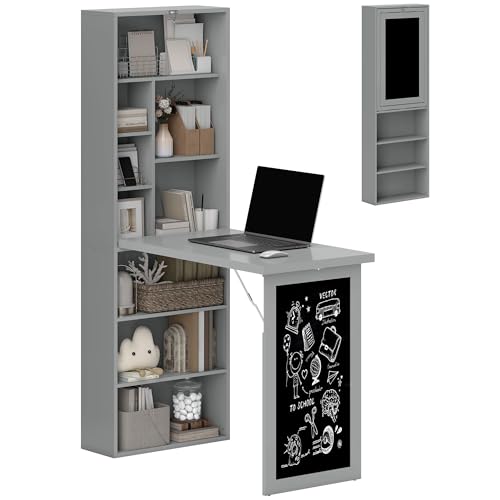
- Foldable Desks: A compact workstation can expand when needed and stash away to free up space.
- Storage Benches: Place one at the entrance or end of the bed to hide items and add seating.
Seek designs that blend aesthetics with practicality. Simplifying tasks while enhancing visual appeal makes the area welcoming and organized.
Opt for Light and Airy Color Palettes
Selecting a color scheme with light and airy tones can instantly transform how I perceive my space. Soft whites, delicate pastels, and muted neutrals expand the visual area, giving a sense of openness.
Consider these effective color choices:
- Cool Whites: Opt for off-white or warm whites, avoiding stark shades that might feel harsh.
- Soft Blues and Greens: Light shades of blue or green invoke tranquility and mimic nature, enhancing the airy feel.
- Pale Grays: This neutral option can create depth without overwhelming the environment.
- Pastel Accents: Incorporate soft pinks, yellows, or lavenders through decor or feature walls for a gentle pop of color.
Utilizing these hues will help maintain a cohesive and serene atmosphere, making my compact living area feel more spacious and inviting.
I also recommend maintaining consistency throughout the various zones. Keeping a unified color palette across different sections will enhance the flow and connectivity of the design, making transitions between activities seamless.
Utilize Vertical Space for Storage Solutions
Maximizing height is key; I often install tall bookshelves or cabinets that draw the eye upward, making the room feel larger while providing ample storage. Open shelving not only showcases decorative items but also keeps essentials within reach, enhancing accessibility.
Floating Shelves
I’ve found floating shelves to be incredibly versatile. They can be placed in any room and allow me to display books, plants, or art without consuming valuable floor area. Stacking these shelves creates an interesting visual effect while keeping my items organized.
Wall-Mounted Hooks and Racks
Wall-mounted hooks serve as an excellent solution for hanging bags, keys, or kitchen utensils. Utilizing walls for racks makes the space functional without cluttering surfaces. I also consider pegboards for a customizable way to store and display small tools or artistic supplies.
Arrange Furniture to Create Visual Flow
To enhance the perception of space, prioritize a clear pathway that guides both movement and sight. Position larger items, such as sofas and bookshelves, to define boundaries without obstructing sightlines. This layout fosters connectivity between areas, allowing for seamless transitions.
Use Area Rugs Strategically
Incorporate area rugs to delineate different sections. Choosing rugs that are proportionate to the surrounding elements can anchor each zone visually while maintaining an open feel. Ensure that at least the front two legs of each primary piece rest on the rug for a cohesive look.
Layer Lighting
Implement various light sources at different heights to create depth. Combine table lamps, floor lamps, and overhead fixtures to illuminate zones effectively, enhancing the sense of spaciousness. Soft white bulbs can add warmth and invite relaxation.
Opt for Clear Materials, such as glass or acrylic, in selections for tables or décor. These elements provide functionality while keeping the eye flowing through the space, preventing any visual obstruction.
Incorporate Mirrors to reflect light and create an illusion of openness. Positioning a mirror across from a window maximizes natural light, contributing to an airy feel and expanding the perceived dimensions of the area.
Incorporate Area Rugs to Define Areas
Using area rugs is a strategic approach to delineate distinct zones within a compact living space. I recommend selecting rugs that complement each functional area. For instance, a plush rug under the coffee table can establish a cozy seating nook, while another in the dining area can visually separate it from the relaxation zone.
Size and Placement
Choose a rug size that accommodates the furniture layout while leaving some floor visible. Ensuring that the front legs of seating or dining chairs rest on the rug creates a unified look without overwhelming the area.
Texture and Color
Consider textures and colors that not only enhance the theme but also reflect your personality. A bold-patterned rug can add energy, whereas a neutral tone might evoke tranquility. Experimenting with contrasting materials can provide depth and interest to your arrangement.
Consider Furniture Placement for Natural Light
Position your pieces to maximize exposure to sunlight. Place larger items away from windows and opt for transparent or lighter furnishings that won’t obstruct brightness.
For example, a low-profile sofa allows sunlight to filter through, maintaining an airy feel. Instead of heavy drapes, use sheer textiles that diffuse light while providing privacy.
Strategic Spotting of Light Sources
Identify the paths of natural light throughout the day. During mornings, east-facing windows are ideal for breakfast nooks. In contrast, west-facing areas suit evening relaxation.
Utilize mirrors to reflect light, expanding the space visually and enhancing brightness. Hang them opposite windows or in corners that need illumination.
Color and Texture Adjustments
Light shades for walls and upholstery amplify natural light. Choose reflective surfaces like glass or polished metals for accessories; they can help bounce light around.
| Color Scheme | Light Reflection Level |
|---|---|
| Whites and Pastels | High |
| Bold Dark Colors | Low |
| Neutral Tones | Medium |
Position tables and seating away from entry points to encourage movement and light flow. This creates an inviting atmosphere that draws individuals into the space, enhancing the natural illumination while providing comfort.