Caleb Turner

To achieve a beautifully aged look on your newly finished pieces, I recommend using a combination of glazing and distressing techniques. Begin with a coat of tinted glaze to add depth and character; opt for shades of brown or gray to enhance the antique effect.
Once the glaze dries, carefully use sandpaper on the edges and corners to wear down the finish. This will create the impression of years of use. Pay attention to areas that naturally experience more wear, such as handles and drawer fronts, to ensure a realistic aging process.
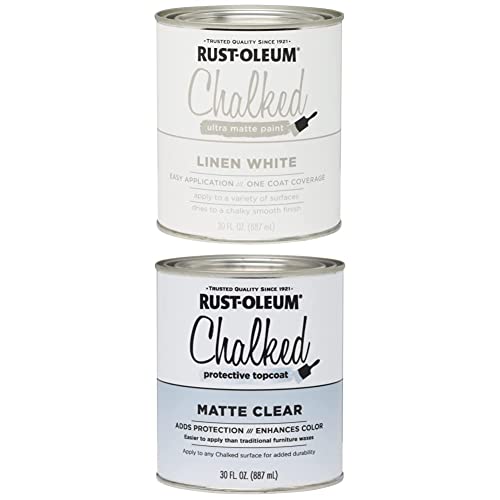

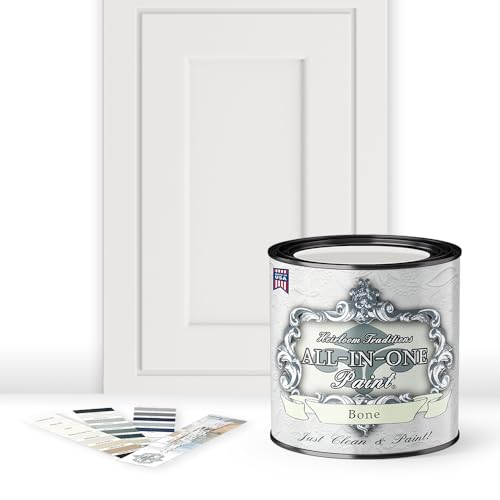
Finally, seal your masterpiece with a clear wax or matte finish to protect the surface while preserving its rustic charm. This step not only gives your piece a soft sheen but also adds to the authenticity of the vintage appearance.
Techniques for Aging a Light-Colored Finish
I recommend using a mixture of clear wax and dark paint to give the surface a worn appearance. Begin by applying the wax evenly over the area you want to age. Once that’s dry, use a soft cloth to gently buff the surface, which will create a subtle sheen.
Layering for Depth
After waxing, mix a small amount of brown or gray hue into your preferred glaze. Apply this with a brush, focusing on corners and edges where wear would naturally occur. Wipe away excess with a damp cloth, leaving some pigment in crevices to enhance the aged effect. Allow it to dry completely.
Distressing Techniques
For added character, consider distressing the surface using sandpaper. Lightly sand areas that would see the most wear, such as edges and corners. This technique exposes the underlying layers, creating a contrast that enhances the vintage look. Finish with a protective clear coat to seal the process and prevent damage.
Choosing the Right Paint for Antiquing
For achieving the desired vintage effect, I recommend selecting a high-quality chalk or milk-based coating. These options provide a soft matte finish that gives an authentic aged appearance while remaining easy to distress.
Considerations for Color Selection
Opt for muted tones, such as soft creams, pale grays, or delicate taupes. These shades complement the antiquing process seamlessly. Additionally, ensure that the base layer is suitable for distressing; a smoother finish will yield better results when sanding.
Textural Elements
Incorporate textured additives like sanding powder or fine dust into your mixture for increased depth. This method enhances the visual appeal and mimics the natural wear that occurs over time. A flat or eggshell finish is ideal as it helps reflect light subtly, maintaining an authentic feel.
Preparing the Surface for Antiquing
I recommend thoroughly cleaning the piece before any transformations. Use a mild soap solution and a soft cloth to remove dust, grease, and grime. Make sure to rinse well and allow the surface to dry completely.
Assessing the Current Finish
Inspect the current layer meticulously. If there are scratches, chips, or rough spots, these should be addressed. I gently sand the areas using fine-grit sandpaper to create a smooth base, ensuring that I don’t remove too much of the existing coating. A light touch is key; I aim for a distressed look but not complete removal of the original surface.
Priming for Depth
Applying a primer serves as an excellent foundation for the subsequent layers. I choose a high-quality bonding primer that can adhere well to previously finished surfaces. This step enhances durability and provides a surface that allows the new finish to develop its desired character better.
After drying, a subtle scuffing with a sanding block can help improve adhesion for the next layers. The ultimate goal is to create a base that is both aesthetically pleasing and ready to accept further treatments after priming.
Selecting Appropriate Finishing Techniques
Choosing the right method for finishing is vital to achieving depth and character in your restoration project. I prefer a combination of techniques that highlight the underlying tones while adding a distinctive aged appeal.
Common Techniques
- Washing: A dilute solution of stain or glaze can infuse subtle hues, offering a softer look. I often use a sponge to apply this, ensuring an even layer.
- Distressing: Lightly sanding edges or using a hammer for a more rugged approach creates a worn effect. I focus on areas that naturally experience wear over time.
- Waxing: A finishing wax adds a protective layer and enhances the visual appeal. It is best to apply it after the initial techniques to seal in the character.
Considerations for Selection
- Desired Look: Determine whether you want a subtle or dramatic finish. This decision influences your choice of techniques.
- Type of Wood: The material impacts how finishes adhere and create contrast. Softer wood may absorb washes differently than hard wood.
- Durability: Consider the wear and tear on the piece. A more robust technique might be necessary for high-traffic areas.
Experiment with various combinations and techniques to find what resonates best with your vision. Each piece has its personality, and the right finishing approach brings that to life.
Applying the Base Coat for an Antique Look
Begin with a high-quality primer specifically suited for the material you are working on. This step ensures that the subsequent layers adhere properly and enhances durability.
Select a color that replicates the natural undertone you desire. Common choices include soft creams, cloudy grays, or muted taupes. Apply the base coat evenly using a brush or roller, ensuring complete coverage without any drips or visible brush strokes.
Apply two to three layers, allowing ample drying time between coats. A thicker base promotes a richer finish and an authentic aged appearance.
For optimal results, consider a light sanding between coats. This technique enhances adhesion and can achieve a smoother final texture.
Once satisfied with the base layer, allow it to cure thoroughly before proceeding to the next antiquing techniques, as this foundation is critical for depth and character.
Using Glaze for Depth and Texture
I recommend using a glaze to add dimension and richness to your piece. Select a transparent or semi-transparent glaze in a color that complements the base coat. A warm brown or antiqued gold can enhance the character of the surface.
To apply the glaze, mix it with water for a thinner consistency, which allows for a more subtle effect. Use a clean, dry brush to apply the glaze, working in small sections. I prefer using a brush with soft bristles as it helps to blend the product smoothly.
After applying the glaze, wipe off the excess with a lint-free cloth, leaving just enough to settle into crevices and details. This technique will highlight textures and contours, creating a more authentic appearance.
Consider layering glazes to achieve varying shades and effects; it adds complexity to the overall finish. Allow each layer to dry before applying the next one, ensuring the previous application doesn’t alter the underlying color.
Be mindful of the drying times, as they may vary based on humidity and the specific products used. Always test the glaze on a small, inconspicuous area first. This way, I ensure the final look matches my vision before committing to the entire piece.
After achieving the desired look, seal the glaze with a clear topcoat. This gives the finish protection and enhances durability while preserving the depth created by the glaze.
Creating Distressed Effects on Painted Furniture
I recommend using sandpaper or a sanding block for achieving that desired weathered look. Focus on the edges, corners, and any raised areas that naturally wear over time. A medium-grit sandpaper (around 120-grit) works well for this, allowing for smooth blending of surfaces.
Start with light pressure, gradually increasing as needed. This technique creates an authentic, lived-in feel. Ensure to periodically wipe away any dust with a damp cloth to assess the level of distressing.
You can enhance the process by using a wet distressing method. This involves lightly dampening the surface before sanding, which will allow for a more controlled removal of the top layer. It helps achieve a softer look that feels more organic.
Consider incorporating a chisel or utility knife to create small nicks and scratches, adding character and depth. This technique mimics the effects of years of use and adds unique details to the piece.
| Tool | Purpose |
|---|---|
| Sanding Block | For even distressing on flat surfaces |
| Medium-Grit Sandpaper | To focus on edges and corners |
| Utility Knife | For creating small nicks and scratches |
| Damp Cloth | To remove dust and assess surface |
Applying some furniture wax or clear matte finish afterward can preserve the distressed areas and provide a touch of protection while enhancing the rustic charm.
Sealing and Protecting Your Finished Piece
To ensure longevity, apply a high-quality clear coat to the surface after completing the antiquing process. I prefer a water-based polyurethane because it dries clear and allows the underlying layers to show through beautifully. Opt for a matte or satin finish to maintain the vintage look.
Application Tips
Before applying, make sure the antiqued surface is completely dry. Use a clean, synthetic brush for smooth application, or a foam roller for larger surfaces. Apply thin layers, allowing each to dry fully before adding the next. Typically, two to three coats suffice for optimal protection.
Maintenance
To preserve the finish, avoid harsh cleaners. Instead, use a damp cloth and gentle soap for routine cleaning. Regular dusting will also help maintain the patina achieved during the antiquing process. For any scuffs or scratches, a light touch-up with the same clear sealer can restore its charm.
Maintaining the Antique Finish Over Time
To preserve the aged appearance of your piece, I recommend dusting it regularly with a soft, lint-free cloth. This prevents dirt buildup that can dull the surface.
For cleaning, I opt for a mildly damp cloth with a gentle soap solution. Avoid harsh chemicals; they can strip the finish and diminish the character of the surface.
Every few months, I apply a thin layer of furniture wax. This not only enhances the patina but also provides a protective layer against moisture and dirt. Be sure to buff it to a shine with a clean cloth after application.
Direct sunlight can fade the finish, so I ensure my piece is kept out of harsh light. If possible, I use UV-protective window films or sheer curtains to minimize exposure.
Monitoring humidity levels is crucial. High humidity can cause wood to swell, while low humidity can lead to cracking or chipping of the finish. I find a stable environment helps maintain integrity.
If I notice any damage or wear, I address it immediately. Light scratches can be touched up with a bit of glaze or stain, blending them seamlessly with the existing finish.
Regularly reevaluating the overall condition allows me to determine if further maintenance or refinishing is necessary, ensuring the longevity of the piece and its antique allure.