
 Caleb Turner

Using risers or casters can dramatically transform pieces like chairs and tables. I recommend selecting sturdy options that match the existing style. Make sure to test for stability after installation. This quick fix can elevate the entire feel of a room, improving both aesthetics and comfort.
Another practical approach involves replacing the legs of your items. Choosing longer or thicker replacements can provide not just additional lift but also a unique visual statement. When selecting new support, prioritize materials that complement the original design. This method allows you to personalize your space while achieving desired proportions.


If you’re inclined towards DIY projects, consider constructing a platform beneath your classic pieces. This method gives you creative freedom, and using matching materials can ensure a seamless look. It’s a way to not only increase elevation but also enhance the utility of each item, especially in multifunctional spaces.
Adjusting the arrangement of other items can influence perceived elevation as well. Raising the height of adjacent accessories gives the illusion of taller surfaces. I often opt for taller plants or decorative elements to play with dimensions and create a cohesive flow in my living environments.
Elevating Your Seating Solutions
Consider using risers or platforms beneath your chairs or sofas for a quick solution. These can be purchased at home improvement stores or crafted from sturdy materials like wood or metal to match your current decor. Ensure stability through even weight distribution.
Utilizing Adjustable Legs
Opt for adjustable legs that can be customized to your desired dimensions. Many manufacturers now offer this feature in their designs. This allows for effortless modification, ensuring comfort without compromising on aesthetics.
Layering with Rugs or Mats
Placing thick rugs or mats under your seats can create an illusion of elevation while adding warmth. Choose materials that complement your style; natural fibers work well in casual settings, while synthetic options are good for more contemporary looks.
| Method | Materials Needed | Considerations |
|---|---|---|
| Risers/Platforms | Wood, Metal, or Purchased Riser Kits | Ensure strength and stability |
| Adjustable Legs | Adjustable Leg Kits | Match style with existing pieces |
| Thick Rugs/Mats | Rug or Mat of Preferred Material | Choose colors that coordinate |
Review these options to determine what fits your needs best, keeping functionality and style in mind.
Using Furniture Risers for Quick Height Boost
For an instant elevation, I recommend using risers designed specifically for your items. These accessories come in various materials like wood, plastic, or metal, allowing me to choose one that matches my décor while providing the necessary support. I often opt for models with rubberized bottoms to prevent slipping and protect the underlying surface.
Types of Risers
There are different types available, including stackable units and fixed height options. I find stackable risers particularly versatile, as I can customize the elevation to my preference by adding or removing sections. Fixed height risers work well if I want a consistent and stable raise without adjustments.
Installation Tips
Placement is straightforward: lift the piece and insert the risers under the legs. Ensuring all legs are evenly supported can prevent wobbling. I double-check that each riser can support the weight of the item to maintain safety and stability. For heavier pieces, I typically choose heavy-duty models for optimal durability.
Adjustable Legs: A Versatile Solution
For a practical approach, consider installing adjustable legs on tables or seating. These legs allow customization of elevation according to personal preferences or specific needs.
Types of Adjustable Legs
Choose from various types: threaded, telescopic, or folding mechanisms. Threaded legs feature screws for easy adjustment. Telescopic designs allow for smooth transitions between different heights, ideal for multi-purpose use. Folding mechanisms are suitable for portable solutions.
Installation Tips
Ensure proper alignment during installation to maintain stability. Use high-quality brackets for secure attachment. For a seamless look, select legs that match the existing style of your piece. Regularly check for wear or loosening to maintain safety.
Customizing with Additional Materials: Wood Blocks and More
For a straightforward transformation, I recommend utilizing solid wood blocks to elevate your pieces. Cut blocks to the desired size, ensuring a sturdy base, and securely attach them to the legs of your item. This DIY method not only provides stability but also allows for a customized look that matches existing decor.
Another option includes rubber or silicone pads. These can be affixed directly beneath each leg, offering an instant lift and protection for your floors. They come in various thicknesses and styles, making it easy to select one that complements your personal aesthetic.
If seeking a more decorative finish, consider using decorative feet or tapered legs made from materials like metal or acrylic. They not only enhance aesthetics but also allow for flexibility in height adjustments without compromising style.
Additionally, adding a layer of sturdy plywood beneath an entire piece can achieve significant elevation. Secure the plywood with brackets or screws, ensuring it’s capable of supporting the weight. This method works well for larger items such as sofas or cabinets.
Lastly, exploring commercial products like adjustable bed frames can provide innovative alternatives. These options often come with built-in mechanisms for easy modification, lending convenience to your adjustments while keeping the overall appearance sleek.
Reupholstering with Thick Padding for Added Height
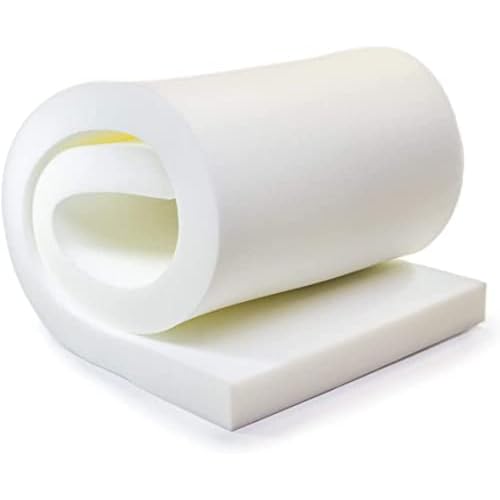
I recommend using thick padding during the reupholstering process to elevate comfort and stature of your seating. Selecting high-density foam or cotton batting can significantly boost the elevation you seek. Aim for materials that not only provide support but also retain their shape over time.
Measure the existing cushioning to ensure that the new padding layer fits properly. A minimum thickness of 2 to 3 inches typically achieves noticeable results. If a softer feel is desired, consider a combination of different padding types–layering a thinner foam or batting beneath the thicker material allows for customized comfort.
To secure the padding in place, use a heavy-duty spray adhesive, ensuring a tight bond between the padding and the furniture frame. Following this, cover the entire surface with a durable fabric that complements your existing décor. Choose fabrics that can withstand wear and tear while also enhancing aesthetic appeal.
Lastly, don’t overlook the effect of using a thicker fabric–this can subtly contribute to the elevation while improving the overall style of the piece. Incorporating these techniques can transform not just the comfort, but also the presence of your seating arrangement.
Leveraging Taller Furniture Styles: Choosing the Right Pieces
Opt for elongated designs such as bar stools or tall cabinets. These structures elevate the visual proportion of a space while providing functional use, especially in compact areas.
Consider Vertical Storage Solutions
Choose shelving units that reach the ceiling, utilizing vertical space effectively. This approach helps draw the eye upward, fostering an impression of roominess.
- Look for modular shelving that can be customized in height.
- Select bookcases with intricate detailing to enhance aesthetic appeal while maintaining a sense of elevation.
Explore Statement Pieces
Incorporate standout items such as tall armoires or china cabinets to create focal points in a room. These striking structures not only serve storage purposes but also contribute to an impression of grandeur.
- Choose finishes that complement existing decor.
- Highlight with lighting such as sconces to accentuate their height.
When selecting furnishings, prioritize designs that naturally have a greater stature. Seek out pieces that optimize vertical volume, contributing to an inviting and dynamic environment.
DIY Solutions: Crafting Height Extensions for Tables and Chairs
Creating height boosts for tables and chairs can be a rewarding DIY project. My go-to method involves using wooden blocks, which are both sturdy and customizable.
Materials Needed
- Wooden blocks (2×4 or similar) in desired thickness
- Sandpaper
- Wood glue or screws
- Paint or stain (optional for aesthetic appeal)
- Measuring tape
- Drill
Step-by-Step Instructions
- Measure the desired lift required for your piece.
- Cut wooden blocks to the appropriate size based on the measurements.
- Sand the edges of the blocks to ensure smoothness and prevent splinters.
- If preferred, paint or stain the blocks to match your existing decor.
- Attach the blocks to the legs of the table or chair using wood glue or screws. Ensure they are secure to prevent any wobbling.
For an added touch, consider upholstering the blocks with foam padding and fabric. This not only enhances comfort but also maintains a cohesive look with existing upholstery.
Experimenting with various materials such as PVC pipes or metal connectors can also provide different styles and structural integrity. Keep in mind the overall stability and ensure the modifications are safe for everyday use.
Stability and Safety Considerations When Increasing Elevation
Prioritize the balance of weight distribution. When raising pieces, make sure the center of gravity remains low to avoid tipping. For broader structures, such as tables, ensure that extensions or risers provide a stable base on all corners.
Be cautious with the materials used for support. Rely on high-quality woods, metals, or durable plastics known for their structural integrity. Avoid using flimsy objects that could break under pressure, risking accidents or damage.
Regularly check all connections after implementing any alterations. Screws, brackets, or adhesives might loosen over time, posing a safety hazard. I recommend conducting monthly assessments, especially with frequently used items.
Ensure that the newly elevated pieces fit well with existing décor to maintain a cohesive aesthetic. Misaligned visual elements can create distraction, potentially leading to accidents as users navigate the space.
Consider user accessibility as well. If younger children or pets are present, elevated surfaces may become dangerous. Opt for height adjustments that suit the environment and address who will use the items regularly.
Finally, think about the level of comfort that arises from modifications. Elevated seating can lead to discomfort if not done properly, particularly for longer periods. Strive to maintain ergonomic principles throughout any changes.


