
 Caleb Turner
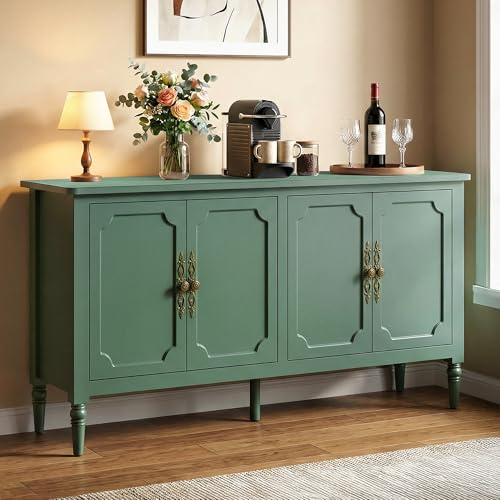
The classification of items as vintage typically requires a minimum age of 20 years. This timeframe is widely accepted among collectors and sellers, marking a clear distinction from newer articles. To qualify, an object must not only possess age but also exhibit specific qualities that reflect the era of its creation.
It is essential to consider the type of piece in question, as different categories can shift the definition slightly. For instance, automotive or fashion-related products may need to adhere to varying standards, often hinging upon the style and craftsmanship prevalent at the time.
Additionally, established guidelines suggest items that fall within the range of 20 to 100 years are considered retro, while anything beyond 100 years is labeled as antique. This nuanced categorization ensures a clear understanding of an item’s relevance and historical significance in the market.
Age Requirement for Vintage Status
To classify a piece as vintage, it typically needs to be at least 20 years old, yet not more than 100 years. However, the definition can vary based on style and market trends.
When evaluating whether an item qualifies, consider these criteria:


- Design Era: Items from specific design movements or decades are often highly sought after. Mid-century modern pieces, for instance, are particularly iconic.
- Material and Craftsmanship: Quality materials and artisanal craftsmanship enhance value. Antique wood, metals, or unique finishes can signify vintage appeal.
- Brand Recognition: Brands with a history tend to hold more prestige. Recognizable names can elevate a piece’s status among collectors.
Additionally, market trends play a significant role. Research what styles are trending or deemed collectible by enthusiasts.
Engaging with online communities or visiting local antique shops can provide insights and enhance knowledge about valuable pieces that fit the vintage classification.
Lastly, keep in mind that collecting is personal–often driven by nostalgia or aesthetic preference. Trust your instincts while considering the age and attributes of the item in question.
Understanding the Definition of Vintage Furniture
Antiques typically refer to items aged at least a century, while lesser-aged artifacts fall under the “retro” or “classic” categories. To classify an item as vintage, a timeline of around 20 to 100 years is essential based on the prevailing market standards.
Key Characteristics of Vintage Items
Evaluating characteristics enhances understanding. Notably, condition, quality of craftsmanship, and historical significance play significant roles. Elements like design, material choices, and the era’s influence contribute richly to the classification.
| Characteristic | Description |
|---|---|
| Age | Typically spans 20 to 100 years. |
| Craftsmanship | Well-made with attention to detail. |
| Design | Reflects the style and trends of its time. |
| Material | Often utilizes higher-quality materials than modern equivalents. |
| Historical Significance | Connection to notable design movements or events. |
Market Trends and Collectibility
Current trends enhance the desirability of specific items. A piece from the mid-century modern era, for instance, often garners significant interest due to its unique appeal and craftsmanship. Always evaluate the current demand when considering collection or investment.
Key Timeframes: Antique vs. Vintage
Items classified as antique are typically at least 100 years of age. This time span indicates historical significance or exceptional craftsmanship. Contrarily, pieces recognized as vintage usually fall within the range of 20 to 99 years. Such categorizations aid collectors and enthusiasts in distinguishing the value and cultural context of each item.
Recognizing Timeline Differences
For example, a chair manufactured in the early 20th century is likely considered antique due to its age. In contrast, a piece created in the 1980s or 1990s would be regarded as vintage. While both terms reflect certain qualities, the exact years play a critical role in their classification.
Market Influence and Trends
The demand for collectibles shifts over time, influencing the perception of age and style. Today, mid-century modern items, once classified as vintage, are sometimes viewed as antiques due to their resurgence in popularity. Understanding these timelines enhances appreciation for items, allowing for informed decisions in acquiring unique pieces.
Recognizing Style: Characteristics of Vintage Furniture
Identify defining traits to spot classic pieces easily. Here are key elements to observe:
- Materials: Look for solid wood, metal, or glass. Plastic elements often indicate modern production.
- Craftsmanship: Examine joinery techniques. Hand-crafted aspects signify authenticity and quality.
- Design Trends: Be aware of specific design movements like Art Deco, Mid-Century Modern, or Victorian. These styles offer clues to age.
- Finishes: Original varnishes or patinas contribute character and reflect manufacturing standards of the period.
- Proportions: Notice the scale; vintage items typically exhibit unique proportions that differ from contemporary standards.
- Tags and Labels: Inspect for original manufacturer markings or labels, as they provide essential information about the item’s background.
Apply these observations systematically. Each characteristic tells a story, helping differentiate true classics from replicas or modern designs.
The Role of Craftsmanship in Identifying Vintage Pieces
Examine the artistry involved in production. Attention to detail, skilled joinery, and the quality of materials are indicators of true craftsmanship. Look for hand-carved elements and unique techniques that denote a maker’s commitment to excellence.
Material Significance
Different materials can signify a piece’s era. Solid woods such as walnut or mahogany are often favored in earlier designs. This contrasts with mass-produced alternatives like particleboard, which emerged later. Authentic pieces made from high-quality substances maintain their integrity over time, adding to their desirability.
Construction Techniques
Analyze joinery methods. Dovetail joints and mortise-and-tenon constructions are hallmarks of superior craftsmanship. Such techniques are sturdy and showcase a dedication to enduring quality. Additionally, assess the finish; handmade items frequently possess a unique patina that synthetic finishes cannot replicate.
Familiarity with these details enhances the ability to distinguish authentic treasures from imitations. This understanding fosters greater appreciation for the artistry behind every piece.
Market Value: How Age Affects Vintage Furniture Prices
For pieces to command higher prices, their era should typically exceed 20 years. I find that items produced between 20 to 100 years ago are often categorized as noteworthy and sought after. Availability is also a major influence; when certain styles become rare, their market value increases significantly.
Another factor impacting pricing is quality. Items crafted from superior materials and exhibiting expert craftsmanship are more likely to appreciate over time. When evaluating a piece, I assess the brand reputation and historical significance, as these elements significantly influence perceived worth.
Trends in Valuation
In recent years, demand for mid-century modern designs has surged, with prices skyrocketing for authentic works from this period. Conversely, some trends, like 1970s avante garde styles, tend to fluctuate in desirability and, subsequently, value.
Documentation and Provenance
Having original receipts, ownership history, and restoration records can elevate a piece’s price. Authenticity verification increases buyer confidence, resulting in higher sale values. Personal connections to historical events or famous individuals also enhance market appeal.
Preservation: How to Care for Vintage Furniture
Clean surfaces with a soft, lint-free cloth to remove dust and debris. For wooden items, use a mild soap solution and avoid aggressive chemicals that can strip lacquer or finish. After cleansing, apply a quality wood conditioner or polish designed specifically for antiques to restore luster.
Control humidity in the environment to prevent warping or cracking. Ideal levels range between 40% and 60%. Utilize a humidifier in dry seasons, and place dehumidifiers in areas prone to excess moisture. Regularly check for temperature fluctuations that could affect delicate materials.
Inspect hardware and joints periodically for signs of wear or loose fittings. Tighten screws and bolts when necessary, but take care not to over-tighten as this can cause damage. Replace worn-out parts with similar materials to maintain authenticity.
Protect from direct sunlight to prevent fading and deterioration. Utilize window treatments or strategically place items away from intense light sources. Additionally, avoid placing pieces near heat sources like radiators or fireplaces which can cause drying and cracking.
For upholstered items, consider using fabric protectants to ward off stains and spills. Regular vacuuming will help maintain fabric integrity and curb the accumulation of dust and allergens. Rotate cushions and cushions covers to even out wear.
Store items properly if not in use; ideally, utilize padded covers or blankets to shield from dust. Avoid stacking or placing heavy objects on top of delicate pieces, which can lead to compression damage.
Where to Find Authentic Vintage Furniture
Local flea markets often host a range of unique pieces. Arriving early increases the chances of snagging rare finds before they disappear. Additionally, estate sales can yield remarkable discoveries. These events usually contain items with rich histories and character. Keep an eye on local listings to catch upcoming sales.
Thrift shops frequently surprise with outdated treasures. Regular visits enhance the possibility of uncovering hidden gems. Consider forming relationships with shopkeepers; they may provide tips when new stock arrives.
Online marketplaces such as Etsy and eBay feature sellers specializing in retro items. Use specific search filters to narrow down results. Always assess seller ratings and customer feedback to ensure a positive purchasing experience.
Antique stores offer curated selections, often with knowledgeable staff. Don’t hesitate to ask questions about origins or craftsmanship. Networking with fellow enthusiasts can also lead to personal recommendations for quality shops.
Social media platforms, especially dedicated groups, serve as excellent resources. Join communities that focus on sharing finds, tips, and advice. Members frequently post about local sales or upcoming auctions that feature remarkable selections.
Lastly, auctions provide an exciting avenue to acquire unique pieces. Whether online or in-person, bidding can lead to exceptional results. Attend previews to inspect items before committing to bids.
FAQ:
What qualifies a piece of furniture as vintage?
To be considered vintage, a piece of furniture typically needs to be at least 20 years old, but it is usually not older than 100 years. Vintage furniture generally represents a particular style or period, often associated with a specific decade or design movement. This age range allows the item to showcase a distinct aesthetic that reflects the trends and manufacturing techniques of its time.
How can I tell the age of my furniture?
Determining the age of furniture can involve several steps. Look for any maker’s marks, labels, or stamps that might indicate the manufacturer and date of production. Additionally, examining the construction methods, materials, and design styles can provide clues. For instance, certain types of hardware, joinery techniques, and finishes can point to a specific era. Consulting reference books on furniture styles or seeking help from an antique appraiser can also assist in dating your item accurately.
Is there a difference between vintage and antique furniture?
Yes, there is a distinction between vintage and antique furniture. Antique furniture is generally defined as being at least 100 years old, while vintage furniture ranges from 20 to 99 years old. Antiques often hold a higher value due to their age and historical significance, while vintage pieces are appreciated for their design style, craftsmanship, and nostalgia, often reflecting the trends of their respective decades.
Can modern furniture become vintage?
Yes, modern furniture can eventually be classified as vintage once it reaches the age threshold of at least 20 years. As time passes and certain styles become nostalgic, these pieces may be valued for their unique designs, materials, and the era they represent. Trends in furniture often revive interest in older, modern designs, making them sought after for collectors and interior designers alike.


