
 Caleb Turner
To achieve a harmonious atmosphere, I recommend sticking to a guideline of one main piece per 100 square feet. This ensures that each item has enough room to breathe, allowing movement without feeling cramped.
Consider the purpose of each item. For instance, a sofa should provide comfort and style while a coffee table enhances accessibility. Limit decor to two or three accent pieces for visual interest, avoiding clutter that distracts from the room’s focal point.
Evaluate your selections closely; oversized sofas or bulky armchairs can dominate a smaller area. Aim for a mix of sizes and shapes that contribute to a cohesive look while facilitating easy navigation. Remember, flexibility in layout allows for adjustments based on your needs and preferences.
Analyzing Quantity of Items in Your Space
I recommend adhering to a guideline of approximately 20 to 30 percent of the total area for occupancy. This allows for movement and flow while maintaining functionality. For instance, a 200 square foot area should feature around 40 to 60 square feet allocated to larger items.
Consider the arrangement: leave clear pathways of 24 to 36 inches to facilitate circulation. Prioritize multi-functional units to maximize usability and reduce clutter, allowing fewer individual pieces to serve varied purposes.


Assessing Dimensions and Scale
Utilize measurements to ensure that the dimensions of each item are proportional to the space. Large sofas can dominate, but complementing them with slender side tables can balance the visual weight. Limit the presence of smaller decorative objects to prevent a busy appearance.
Style and Aesthetic Balance
Maintain a cohesive design theme. Mixing styles may lead to a chaotic look if not harmonized effectively. Select pieces that share similar colors or materials to create a unified atmosphere while remaining mindful of not overcrowding your area.
Assessing Available Space in Your Living Area
Measure the dimensions of your space accurately. I recommend using a tape measure to determine the length, width, and height of the area. Take into account doors, windows, and other architectural features that may affect placement.
Creating a Scaled Floor Plan
Using graph paper or a digital tool, create a scaled diagram of your area. Each square can represent a specific measurement, allowing for easy experimentation with arrangements. Include all key elements such as radiators and built-in shelves.
- Identify areas of high traffic to avoid blocking pathways.
- Consider the function of each zone to guide placement decisions.
- Leave enough space for movement and access to all pieces.
Visualizing with 3D Tools
Utilize online room design software for a 3D perspective. These platforms help visualize how each piece fits within the context of the area. I find this particularly useful for understanding scale and proportion.
- Experiment with various styles and layouts digitally.
- Assess color schemes and materials that complement the overall aesthetic.
Pay attention to spatial balance. Distribute larger items evenly, and incorporate smaller pieces to create harmony. This deliberate approach helps prevent overcrowding and ensures a comfortable environment.
Understanding the Functionality of Each Piece
Begin with a clear purpose for each item. Assess whether it serves a specific need, from seating arrangements to storage solutions. Items should complement activities you envision in the area.
For example, prioritize seating options. A sofa provides ample space for relaxation, while armchairs can create conversational nooks. However, if seating is abundant, consider minimizing the number of chairs to maintain flow.
Storage units like cabinets or shelves should enhance organization. If they feel cluttered or underused, evaluate their necessity. Multi-functional pieces are ideal; a stylish ottoman can serve as both a seat and a hiding spot for blankets.
Tables, whether for dining or coffee, must align with usage frequency. Ensure they are proportional to the existing arrangements. Avoid oversized tables if movement becomes restricted.
| Item | Functionality | Recommendation |
|---|---|---|
| Sofa | Relaxation, socializing | One large or a few smaller pieces depending on space |
| Chairs | Additional seating | Limit to maintain openness |
| Table | Surface for activities | Ensure it’s proportional to seating |
| Shelves | Display, storage | Incorporate styles that enhance decor |
Accessories such as lamps should provide adequate illumination without overwhelming the space. Assess placement to avoid bottlenecks.
Finally, avoid over-decorating. Limit decorative items to a few meaningful pieces to enhance ambiance without overwhelming aesthetics. Each item should strive to contribute to both practicality and style.
Identifying Visual Clutter and Comfort Levels
Analyze the aesthetic appeal by observing the balance between negative space and objects. Aim for a harmonious blend instead of overcrowding. Check if any piece seems to overpower the others or if pathways are blocked.
Take notes on how you feel when entering the space. If discomfort arises, consider these aspects:
- Color Scheme: Diverse hues might clash, contributing to unease. Opt for a cohesive palette.
- Scale and Proportion: Ensure dimensional harmony; contrasting sizes can create chaos.
- Personal Comfort: Seating should accommodate relaxation without feeling cramped.
Perform a walkthrough, specifically targeting sightlines. Identify focal points that draw attention, ensuring they are not overwhelmed. If an area feels congested, re-evaluate and adjust the arrangement.
Invite feedback from visitors; their perspectives can reveal unnoticed issues. Consider if they feel at ease or distracted by the arrangement.
Test different layouts. Shift elements around to find a configuration that radiates balance and tranquility.
Lastly, maintain a flexible approach. As needs evolve, so should the arrangement, allowing the space to breathe and remain adaptable.
Maximizing Flow and Movement in the Space
To optimize circulation, maintain a minimum pathway of 24 inches between pieces. This ensures ease of movement without obstruction.
Arranging seating in a circular or semi-circular layout encourages interaction while allowing for more space. Avoid placing larger items diagonally, as they disrupt visual flow.
Utilize modular pieces that can be easily reconfigured. This adaptability can cater to varying activities, from social gatherings to quiet relaxation.
Incorporate transparent elements, such as acrylic tables or glass shelves. These create an illusion of space, making the area feel less cluttered.
Position oversized elements against walls to free up center space, promoting an open atmosphere. This approach prevents overcrowding and enhances accessibility.
Regularly assess the arrangement; reposition elements based on usage patterns and traffic. A flexible setup can greatly enhance the experience of the environment.
Employ multifunctional items to reduce the number of individual pieces. For instance, a coffee table with storage capabilities minimizes surfaces while ensuring practicality.
Lastly, introduce clear zones for specific functions, such as conversation, reading, or entertainment. Defining these areas aids in efficient movement throughout the space.
Balancing Style with Practicality
To achieve an appealing aesthetic with functionality, I focus on selecting key pieces that serve multiple purposes. For instance, a stylish ottoman can work as both a coffee table and additional seating, maximizing utility without overcrowding.
Choosing Versatile Items
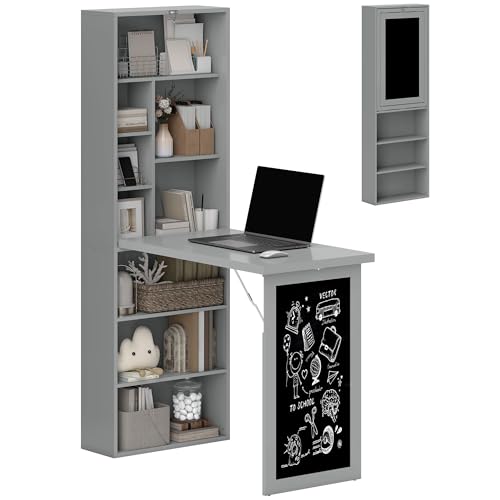
Incorporating objects that can adapt is essential. A foldable table might provide extra dining options during gatherings but can easily be stored away afterward, keeping the area uncluttered. Look for items with built-in storage, like benches or decorative boxes, which help maintain a neat environment while enhancing visual appeal.
Color and Material Considerations
I pay attention to the colors and textures of each piece since lighter shades tend to create an airy effect, while dark tones can lend comfort but might visually weigh down the space. Transparent or reflective materials, such as glass and mirrors, can also contribute to a more open feel, balancing style and practicality effectively.
Ultimately, my strategy revolves around selecting a limited number of carefully curated pieces that reflect personal taste while ensuring the space remains inviting and functional.
Tips for Downsizing Your Furniture Collection
Begin with a thorough inventory of all items. Create a detailed list that includes size, function, and sentimental value. This process helps clearly see what occupies space.
Evaluate each piece’s purpose. If an item lacks a function or you rarely use it, consider removing it. A comfortable chair that is seldom sat in may not justify its presence.
Prioritize multi-functional items. Look for pieces such as ottomans with storage or coffee tables that can be adjusted for different needs. This strategy maximizes utility while minimizing the number of separate elements.
Consider donating or selling items in good condition. This not only frees up space but also benefits others. Online marketplaces and local charities are great options for passing on belongings.
Measure your space before introducing new acquisitions. Always check dimensions against the available area. This simple step prevents overloading your area with oversized or incompatible elements.
Opt for lighter-colored or transparent materials where possible. Softer tones and glass or acrylic surfaces create an illusion of more space, contributing to an airy feel without overcrowding visually.
Lastly, periodically reassess your space. Changing needs and trends may influence what is necessary. Keeping a consistent review schedule helps ensure the environment remains functional and aesthetically pleasing.


