Caleb Turner

Apply a minimum of three layers of protective finish to ensure durable and long-lasting preservation against the elements. Begin with a thorough sanding of the surface to create a smooth base. This preparation is key for the adhesion of the finish.
Each layer should be applied after the previous one has dried completely, usually requiring 4 to 6 hours between applications, depending on the environmental conditions. It’s advisable to lightly sand between layers to enhance adhesion and achieve a flawless finish. Consider using a high-quality outdoor grade product designed to withstand moisture and UV damage to maximize longevity.
After the final application, allow the furniture’s surface to cure completely for about a week before use. This additional time enhances the durability and the finish’s resilience against wear and tear from outdoor conditions.
Recommended Application for Outdoor Furniture Finish
Apply three layers of finish product to ensure durability and protection. The first layer serves as a primer, promoting adhesion and sealing the surface. After this dries completely, lightly sand to create a smooth base for the subsequent layers.


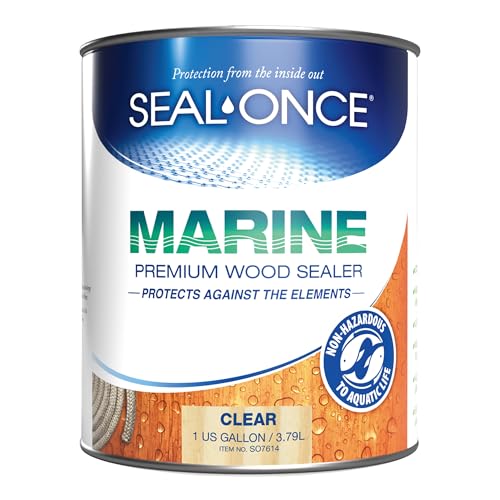
The second layer enhances depth and strengthens the protective barrier. Follow the manufacturer’s guidelines for drying times before proceeding. A light sanding between applications can improve bonding and finish quality.
The third layer acts as a topcoat, providing optimal resistance against elements. Ensure even coverage for the best results. Allow each application to cure as advised before subjecting the item to outdoor conditions.
| Layer Number | Purpose | Preparation Steps |
|---|---|---|
| 1 | Primer application | Seal surface, allow to dry, lightly sand |
| 2 | Enhance protection | Dry completely, possible light sanding |
| 3 | Final topcoat | Ensure even application, allow to cure |
Understanding the Role of Polyurethane in Outdoor Furniture
A single application of a high-quality resin can drastically improve the durability and longevity of garden pieces. This liquid seals the wood, creating a protective barrier that helps fend off moisture, UV rays, and abrasive elements.
Protection Against the Elements
This product acts as a shield against rain, snow, and sun exposure. By preventing water from penetrating the material, I notice a significant reduction in swelling, warping, and cracking. The finish also deflects harmful UV rays, minimizing fading and discoloration that often occur over time.
Enhancing Appearance
The sheen achieved through applying this substance enhances the natural beauty of the wood grain. It brings out rich colors and provides a smooth, clean finish, making the pieces more visually appealing. Additionally, the longevity of this shine means I won’t need to worry about frequent reapplications.
Ultimately, the right application of this protective finish transforms basic wood into a resilient and attractive component of my patio or garden space. Regular maintenance with the right products will ensure that my exterior pieces remain functional and stylish for years to come.
Factors Influencing the Number of Coats Needed
The thickness of the application plays a primary role in the outcome. A thicker layer may require fewer applications, while a thinner one may necessitate additional treatments to achieve the desired durability and finish.
Material Type
The type of material being treated significantly impacts the quantity of layers recommended. Wood, for instance, may absorb the finish differently compared to metal or composite materials. Each material has unique properties that can dictate absorption rates and the need for more or fewer applications.
Environmental Conditions
<p.Factors such as humidity, temperature, and exposure to sunlight can alter drying times and the overall effectiveness of the finish. High moisture levels may lead to longer curing times, while extreme heat can cause the coating to dry too quickly, potentially affecting adhesion. Regular exposure to the elements may also warrant extra applications for enhanced protection.
Choosing the Right Type of Finish for Outdoor Use
Opt for an exterior-grade formulation, specifically designed to withstand harsh weather conditions. These products typically contain additives that enhance UV resistance and mildew protection. Water-based or oil-based options both have their merits; water-based varieties dry faster and emit fewer fumes, while oil-based types offer excellent durability and a rich finish.
Water-Based Finishes
- Quick drying time
- Lower VOC emissions
- Easy clean-up with soap and water
Oil-Based Finishes
- Superior penetration into the wood
- Long-lasting protection
- Rich, warm tones enhance natural wood grain
Regardless of the choice, ensure the product labels specify suitability for external applications. Always conduct a sample test on a hidden area before full application to confirm compatibility and appearance.
Step-by-Step Application Process for Each Layer
Begin by preparing the surface thoroughly. Sand the item using a fine-grit paper to eliminate any imperfections and ensure smoothness. Clean the surface with a damp cloth to remove dust and particles, allowing it to dry completely.
Next, apply the initial layer. Use a high-quality brush or foam applicator to distribute the finish evenly. Work in small sections, maintaining a wet edge to prevent marks. Aim for a thin, uniform application without excessive pooling.
After the first layer dries, inspect it for rough spots and imperfections. Lightly sand the area with fine-grit paper, then wipe it down with a damp cloth to remove any dust before proceeding.
For subsequent applications, repeat the process. Apply the second layer after ensuring the first is completely dry, typically 4-6 hours. Again, sand lightly between applications, wiping down after sanding. Depending on desired protection and finish, a minimum of three layers is advisable, while some may opt for four or more for added durability.
Finally, allow the last layer to cure fully before using the item. Depending on the product, this may take several days. Follow the manufacturer’s guidelines to ensure ideal drying and curing times.
| Layer Number | Drying Time | Sanding Required |
|---|---|---|
| First | 4-6 hours | Yes |
| Second | 4-6 hours | Yes |
| Third | 4-6 hours | Yes |
| Fourth (if needed) | 4-6 hours | No |
Ensure every step is followed meticulously for optimal results and longevity of the finish.
Drying Times Between Layers: What to Consider
Allow 24 hours between applications to ensure optimal adhesion and finish quality. Humidity and temperature significantly affect drying times; higher humidity can extend drying periods, while elevated temperatures may accelerate them. Monitor the conditions closely to adjust your schedule accordingly.
The Importance of Proper Drying
Avoid applying additional layers too soon, as this can lead to smudging or incomplete curing. Use a fan or ensure adequate ventilation to enhance the drying process in a controlled manner. Checking for tackiness before proceeding is a reliable method to determine if it’s appropriate to apply the next layer.
Final Curing Time
After the final application, let the surface cure for at least 72 hours before heavy use. This time frame allows the finish to harden fully, increasing durability against outdoor elements. Always test the hardness gently with your fingernail–if no indentations are left, the area is ready for use.
Signs That Additional Coats May Be Necessary
If you notice inconsistencies in the finish or a dull appearance, it may be time to apply more layers. Inspecting for areas that exhibit uneven sheen can reveal where extra protection is needed.
Common Indicators
- Wear and Tear: Scratches or scuffs on the surface suggest insufficient coverage.
- Weathering: Signs of fading or discoloration from sun exposure indicate a need for enhancement.
- Moisture Retention: If you observe water pooling or soaking into the material, consider adding more layers to improve water resistance.
Testing Durability
Conduct a simple scratch test in a discreet area. If the finish shows wear easily, additional applications are recommended. A robust finish should withstand minor abrasions without damage.
Regular inspection after seasonal changes also helps determine if replenishment is required. Factors like humidity and temperature can affect the integrity of the protective layer, so staying vigilant can prolong the lifespan of your outdoor pieces.
How to Properly Prepare the Surface Before Coating
Prior to applying any finish, ensuring a clean and smooth surface is paramount. Start by thoroughly cleaning the piece. Use a mixture of warm water and mild soap to remove dirt, grease, and debris. Rinse with clean water and let it dry completely.
Sanding the Surface
Next, focus on sanding:
- Begin with coarse-grit sandpaper (e.g., 80-grit) to eliminate rough areas and imperfections.
- Progress to finer sandpaper (e.g., 120-grit to 220-grit) for a smooth finish.
- Always sand in the direction of the wood grain to avoid scratches.
- Ensure to remove dust and particles with a vacuum or a damp cloth after sanding.
Moisture Check
It’s critical to examine moisture content in the wood. Use a moisture meter if available. Ideal levels should be below 14%. If necessary, allow the wood to acclimate in a dry environment.
Finally, consider applying a primer specifically designed for the chosen finish. This promotes adhesion and enhances durability, providing a robust foundation for the subsequent application steps.
Maintenance Tips for Long-Lasting Protection
Regular inspection is key. Check for any signs of wear or damage every few months. Look for scratches, peeling, or discoloration. If issues arise, address them swiftly to avoid deeper damage.
Clean the surface periodically with a mild soap solution and a soft cloth. Harsh chemicals can degrade the finish, so stick to gentle cleaners. Rinse thoroughly with water and let it dry completely before any touch-ups.
Reapplication Guidelines
After a season of heavy use, consider reapplying a fresh layer to maintain optimal protection. It’s generally wise to refresh the finish annually. This helps seal any exposed areas and restores the appearance.
Environmental Considerations
Be aware of your local climate. High humidity or intense sunlight can affect the longevity of protective layers. In areas with extreme weather, more frequent maintenance may be necessary.