
 Caleb Turner
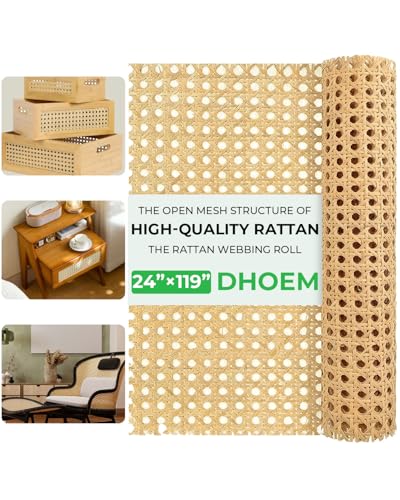
For optimal longevity in open-air environments, specific care and maintenance practices are crucial. I recommend selecting high-quality, UV-resistant products. These materials can withstand sun exposure, preventing fading and deterioration. Additionally, ensuring that the weave is tight will enhance endurance against the elements.
Regular cleaning is essential; utilizing mild soap and water will keep the surfaces looking fresh. Protecting against moisture through seasonal storage is also beneficial. Covering the items or moving them indoors during harsh weather can significantly extend their lifespan.
Investing in cushions made from specialized outdoor fabrics can further enhance comfort while providing resistance to mold and mildew. These textiles dry quickly and resist fading, ensuring that the entire setup remains aesthetically pleasing for years.
Understanding the Types of Wicker Materials
Choosing the right material is key for achieving durability. Natural fibers, such as rattan and reed, are environmentally friendly but can degrade when exposed to harsh weather. For those who prefer longevity, synthetic alternatives like resin and polyethylene provide excellent resistance to fading and moisture.


Natural Fibers
Rattan, often sourced from Southeast Asia, is lightweight and robust. However, it requires maintenance to prevent cracking and warping. Reed, on the other hand, while less resilient, offers a traditional aesthetic but may not withstand prolonged sunlight and rain.
Synthetic Options
Polyethylene offers impressive UV protection and is easy to clean. Resin wicker, typically crafted from high-density polyethylene, mimics the look of natural materials while ensuring extended lifespan without compromising style. These synthetic options are ideal for those seeking minimal upkeep.
Consider climate: In humid areas, ventilation is crucial to prevent mold growth. Alternately, dry climates may cause natural materials to dry out faster, necessitating regular conditioning. Evaluate your specific environment to make the most beneficial choice.
Factors Affecting Wicker Furniture Durability
To enhance the lifespan of outdoor seating and table sets, I prioritize the choice of materials. Natural fibers, such as rattan and bamboo, possess innate strengths but are susceptible to weather conditions. Synthetic alternatives like resin or polyethylene resist moisture and UV rays more effectively, making them a preferred option for outdoor use.
Another critical aspect is maintenance. Regular cleaning helps prevent mold and mildew, ensuring the integrity of the weave. I recommend using a mild soap solution and soft brushes to remove dirt without damaging the surface.
Location plays a significant role. Direct sunlight can weaken fibers over time, causing fading and brittleness. I suggest positioning items in shaded areas or using protective covers when not in use to minimize exposure.
Finally, the quality of craftsmanship impacts durability. Well-constructed pieces with tight weaves and sturdy frames endure better than poorly made counterparts. When assessing potential purchases, I inspect joints and finishes for resilience.
Maintenance Tips for Outdoor Wicker Furniture
Regular cleaning is crucial for maintaining the appearance of your outdoor seating. Use a soft brush or a cloth with mild soap and water to remove dirt and debris. Rinse thoroughly and ensure everything is dry to prevent mold growth.
Protective Measures
Avoid direct exposure to harsh sunlight by utilizing a canopy or umbrella. This reduces fading and prolongs the aesthetics. Moreover, consider storing items indoors during extreme weather conditions, including heavy rain or snow, to minimize deterioration.
Periodic Inspection
Check for damage such as fraying or breaking regularly. Repair minor issues promptly to prevent further harm. Applying a protective sealant specific to the material can also enhance resilience and longevity.
Weather Resistance of Different Wicker Types
To ensure longevity of your outdoor seating, I recommend utilizing synthetic materials over natural ones. Synthetic options, such as resin or polyethylene, resist UV rays, moisture, and temperature fluctuations effectively. In contrast, natural fibers like rattan and willow absorb water and can deteriorate when exposed to harsh weather conditions.
Types of Synthetic Materials
- Polyethylene: Highly durable and resistant to fading and mildew. Ideal for prolonged outdoor use.
- Resin: Mimics the look of natural materials while providing superior weather resistance. Less prone to cracking and peeling.
Natural Materials
- Rattan: Offers aesthetic appeal but lacks moisture resistance, leading to potential rotting.
- Willow: Lightweight and flexible, however, it’s not well-suited for wet conditions and can degrade quickly.
For exposure to elements, synthetic options outperform natural types significantly, offering better protection against deterioration and enhanced aesthetic retention. I suggest opting for synthetic materials for a welcoming and resilient outdoor space.
Identifying Signs of Wear and Tear
Inspect regularly for certain indicators of damage. Look for fraying edges, discoloration, or a loss of structural integrity. These signs hint that your outdoor seating options may need attention or replacement.
Common Indicators
- Fraying: Check for strands that are unraveling or becoming loose. This can compromise the overall strength.
- Cracks: Examine for any cracking in the frame or weaving materials. Cracks not only diminish appearance but can also pose safety risks.
- Fading: Color changes suggest prolonged exposure to sunlight. While some fading is normal, excessive discoloration may lead to material degradation.
- Weakness: Test the sturdiness by applying pressure to the armrests and legs. If there’s notable give or movement, replacement may be necessary.
- Rust: For metal components, check for rust or corrosion, which can extend to the rest of the structure.
Seasonal Inspections
- Conduct a thorough examination before and after the harsh seasons. Pay special attention after winter or during heavy rainy seasons.
- Clean debris and dirt buildup regularly, as this can hide underlying damage.
- Store indoors during extreme weather conditions to prolong lifespan.
Addressing these signs promptly can save time and costs down the line. Evaluate carefully to ensure longevity, maintaining comfort and style in outdoor living spaces.
Protective Covers: Are They Necessary?
Absolutely, using protective covers is a sound decision when it comes to extending the lifespan of outdoor pieces. They serve as a strong barrier against harmful elements like UV rays, moisture, and debris, significantly diminishing wear over time.
Material Matters
Selecting the right cover material is pivotal. Opt for breathable fabrics that prevent moisture buildup while shielding against rain and snow. Waterproof options offer robust protection, but ensure they allow for air circulation to deter mold growth. Invest in high-quality, UV-resistant materials to prevent fading and degradation caused by prolonged sun exposure.
Fit and Maintenance
A snug fit is crucial. Covers that are too loose can trap moisture and attract pests, while those that fit well will stay in place even during strong winds. Regularly check and clean the covers to maintain their efficacy; this small task can prevent trapped dirt and moisture that may cause damage.
By utilizing protective covers, the longevity of your outdoor seating can be increased significantly, making them a worthwhile addition to your maintenance routine.
Seasonal Care and Storage Recommendations
Store your outdoor seating during harsh weather months to prolong its lifespan. Ideally, keep it indoors in a dry, cool space to prevent moisture damage. If indoor storage is not feasible, cover pieces with breathable fabric to protect them from rain and snow while allowing air circulation to reduce mold growth.
Spring and Summer Care
During warmer months, regularly clean surfaces with a mild detergent and water solution. Avoid abrasive cleaners or scrubbers that may scratch. Inspect for any loose strands or fraying, and promptly repair them. A protective spray designed for synthetic materials can provide an additional layer of defense against UV rays.
Autumn and Winter Storage
Before cold weather arrives, ensure that all pieces are thoroughly cleaned and dried. For outdoor settings exposed to frost, securing everything with covers or employing storage solutions can mitigate risks associated with freezing temperatures. Consider elevating items off direct contact with the ground using platforms to minimize moisture exposure.
| Season | Action | Notes |
|---|---|---|
| Spring | Clean and repair | Use mild detergent, check for damage |
| Summer | Inspect and maintain | Consider protective sprays against UV rays |
| Autumn | Prepare for storage | Dry thoroughly before covering |
| Winter | Store or cover | Elevate off the ground if possible |
Cost vs. Longevity: Is It Worth the Investment?
Investing in high-quality outdoor seating can save money in the long term. While premium options may seem costly upfront, their lifespan often justifies the expense. For example, durable synthetic alternatives might cost more than natural materials but can last significantly longer, offering better value.
Consider the frequency of use and exposure to elements. Cheaper alternatives may need replacement every few years, resulting in higher long-term costs. On the other hand, investing in well-crafted pieces typically ensures fewer replacements, leading to greater savings over time.
Additionally, warranty options on premium sets often cover repairs or replacements, enhancing the investment’s value. Knowing that a manufacturer stands behind their product can provide peace of mind, making the higher price point more reasonable.
Before making a decision, assess your budget and weigh it against longevity. Sometimes, it’s more economical to invest a bit more initially to ensure that the items withstand harsh conditions over many seasons.
Comparing Wicker with Other Outdoor Furniture Materials
In terms of durability, aluminum stands out as a prime alternative to woven designs. It is rust-resistant and lightweight, making it easy to move. Compared to synthetic weaves, aluminum often requires less maintenance, though it can get hot under direct sunlight.
Teak offers a natural counterpart, known for its resistance to weather elements. Its oil content helps to prevent water damage, making it suitable for humid climates. However, the price point is generally higher, and regular oiling is necessary to maintain its appearance.
Resin-based options are another popular choice. They mimic organic fibers while providing superior resistance to fading and water damage. The maintenance is minimal, and they are available in various styles, offering versatility in aesthetics.
Steel also serves as a tough contender, often used in more industrial designs. Its strength provides stability, but it lacks the corrosion resistance of aluminum and may require additional care to prevent rust.
By comparing these materials to woven options, I find each has specific advantages and disadvantages regarding weather endurance, aesthetic appeal, and maintenance needs. Matching the right material to your climate and preferences ensures long-lasting satisfaction with any outdoor space.


