
 Caleb Turner
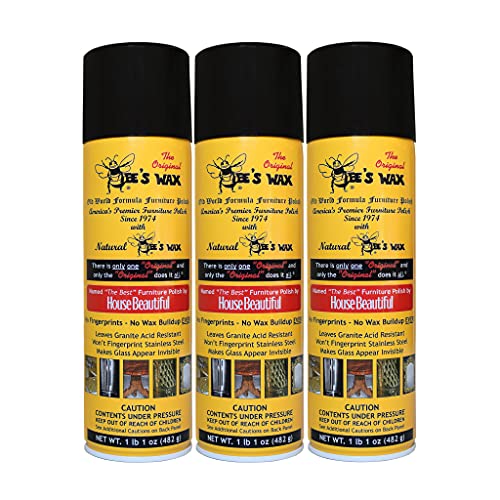
One key point I’ve found is that the drying period for this product is typically around 15 to 30 minutes for initial touch-dry, while full curing can take anywhere from a few hours to several days, depending on factors like humidity, temperature, and the specific brand used.
For optimal results, I recommend allowing at least 24 hours before heavy use of the treated surface. This gives the coating adequate time to harden and bond with the material underneath, ensuring a durable finish.
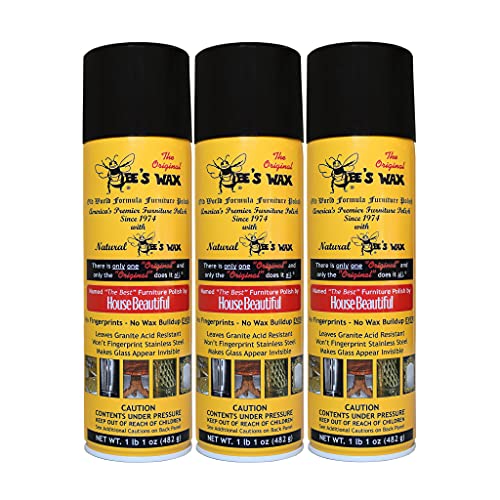


During this time, it’s wise to avoid placing objects on the surface or exposing it to moisture. If you’re working in a cooler or more humid environment, be prepared for extended curing times; in such conditions, it might be beneficial to wait up to a week before subjecting the surface to regular wear.
Timeframe for Furniture Finishing Substance to Fully Set
I recommend allowing a duration of 24 to 48 hours for the protective layer to properly harden after application. Factors like temperature, humidity, and type of product can influence the process.
Optimizing the Drying Environment
Maintain a temperature between 60°F and 80°F (15°C to 27°C) with low humidity levels to facilitate faster drying. Avoid direct sunlight and drafts, as these can lead to uneven solidification.
Testing for Readiness
A gentle touch on the surface can help assess readiness. If the treated area feels tacky or leaves fingerprints, additional time is necessary. For best results, wait until the surface is completely dry to the touch before heavy use or additional treatments.
Understanding the Curing Process of Furniture Wax
For optimal performance, I recommend allowing the application to set for at least 24 to 48 hours. This period ensures proper bonding with the surface. Environmental factors, such as temperature and humidity, also play a significant role in this duration. Warmer conditions may accelerate the hardening process, while cooler, more humid spaces can prolong it.
I advise applying thin layers. Thick coatings can hinder the drying, leading to a tacky finish. After the initial curing period, I like to let it breathe for an additional day to fully achieve that desired luster and durability. This step is crucial, especially for high-wear areas.
Checking the surface with a light touch helps assess readiness. If it feels firm and smooth, it’s ready for light use. For heavier use, waiting a full week is wise. Regular maintenance, such as buffing, can enhance longevity and appearance, as well.
Factors Affecting Curing Time of Furniture Wax
Temperature plays a critical role in the solidification of the applied substance. Optimal conditions exist between 60°F and 80°F (15°C to 27°C); extreme lows or highs can significantly extend the wait. I’ve found that a space with stable temperatures leads to more consistent results.
Humidity levels influence the process as well. In high humidity, the moisture can interfere with the solidifying process, making it slower. Keeping the environment dry enhances efficiency. A dehumidifier can be beneficial in damp settings.
The type of product also impacts the duration. Natural formulations may require more time compared to synthetic blends, which often set quicker. Checking the manufacturer’s guidance provides insights into expected timelines for specific brands.
The thickness of the applied layer is paramount. A thin coating dries faster than a thick application. I usually apply multiple thin layers instead of one heavy coat to achieve a quicker finish.
| Factor | Impact on Curing Time |
|---|---|
| Temperature | Higher temperatures speed up the process; lower slows it down. |
| Humidity | High moisture can prolong the solidifying duration. |
| Product Type | Natural takes longer than synthetic blends. |
| Coating Thickness | Thinner layers cure more quickly compared to thicker ones. |
Air circulation aids in the process. A well-ventilated area promotes faster drying times. I recommend opening windows or using fans to facilitate airflow.
Finally, the preparation of the surface affects how quickly it firms up. A well-prepped surface enhances adhesion, ensuring an even application that dries uniformly.
Typical Curing Times for Different Types of Wax
Beeswax typically solidifies within 10 to 30 minutes. It forms a protective layer quickly, making it suitable for surfaces requiring immediate attention.
Carnauba wax takes longer, with a curing period ranging from 1 to 3 hours. This type hardens more slowly but provides a higher shine and greater durability, making it ideal for items that undergo regular handling.
The duration for paraffin wax can vary between 30 minutes to 1 hour. It’s commonly used for light-duty applications due to its rapid setting yet offers moderate protection.
Microcrystalline wax generally requires 1 to 2 hours for optimal hardening. This type offers enhanced flexibility, making it useful for intricate details on furniture.
Something to keep in mind: allow additional time for environmental factors like humidity and temperature, as these can alter the drying landscape significantly. Stable, cooler conditions tend to support quicker setting times, while warm, humid environments may extend the process. Always check product labels for specific guidance related to the brand in use.
Signs That Furniture Wax Has Cured Properly
To determine if the protective coating has set correctly, I look for several indicators. A smooth and even texture across the surface is the first sign. Proper application results in a uniform finish without any streaks or uneven patches.
Next, I check for a slight sheen. An appropriately dried layer will exhibit a subtle glow, indicating that it has adhered well to the underlying material. If it appears dull or sticky, additional time may be required for it to fully solidify.
I also perform a touch test. When I gently press my finger against the surface, it should feel dry and not leave an imprint. If the surface feels tacky or leaves fingerprints, the curing process is still underway.
Another reliable method is the scratch test. Using a fingernail, I lightly scratch an inconspicuous area. An adequately hardened layer resists scratches and doesn’t reveal any bare spots underneath. If I notice any marks or the finish comes off easily, then it’s not yet ready.
Finally, I pay attention to the scent. Once fully set, the strong odor that often accompanies fresh application dissipates significantly. A lingering chemical smell can indicate that the substance has not fully baked into the wood.
Temperature and Humidity Influence on Wax Setting
Optimal conditions significantly affect the drying and hardening process of this product. Maintaining a stable environment ensures better results and longevity of the finish.
Temperature Effects
- Warm temperatures accelerate evaporation, leading to faster hardening. Ideal temperatures range between 65°F to 75°F (18°C to 24°C).
- Extreme heat may cause uneven results, while cold conditions can slow the process or prevent proper adhesion.
Humidity Considerations
- High humidity can prolong solvent evaporation, increasing the time needed for the finish to fully solidify.
- Low humidity promotes quicker drying, but can sometimes lead to surface inconsistencies or cracking.
Monitoring and adjusting the environment enhances performance. For consistent outcomes, a controlled setting is recommended. Use hygrometers and thermometers to track conditions accurately.
Common Mistakes That Can Extend Curing Time
Avoiding common errors during application and drying can greatly influence the effectiveness of the finish.
- Applying Excessive Product: Using more than necessary can lead to a longer evaporation process. Stick to a thin layer for optimal results.
- Inadequate Drying Conditions: Insufficient airflow or unfavorable temperatures can impede natural drying. Aim for a warm, well-ventilated space.
- Neglecting Surface Preparation: Failing to clean or sand the surface properly beforehand can cause uneven absorption, extending the necessary time for optimal setting.
- Inconsistent Application: Unevenly applied substances can dry at different rates, leading to longer overall curing times. Ensure an even coat.
- Layering Too Soon: Adding additional coats before the previous one has dried fully can trap moisture, which delays the entire process.
- Ignoring Humidity Levels: High humidity can slow evaporation significantly. Monitor environmental conditions before starting.
Addressing these issues can lead to a more efficient finishing process and a satisfactory end result.
Best Practices for Applying Furniture Wax for Optimal Results
Apply a thin layer of the product using a soft, lint-free cloth or a natural bristle brush. This ensures an even coverage without excessive buildup, which can extend drying time.
Work in small sections to maintain control over the application and to prevent the product from hardening before you can buff it. Circular motions help distribute the substance evenly across the surface.
After application, allow for an adequate resting period before buffing. Buff the area with a clean, dry cloth to achieve a smooth finish and shine. Use a separate cloth for each application to prevent transferring old residue onto the newly applied layer.
Temperature and Setting Environment
Ensure that the space is well-ventilated and free from drafts. Ideal conditions are a moderate temperature and low humidity, as both factors can significantly influence the drying process.
Timing Between Coats
For multiple layers, allow ample time between applications. A wait of at least 30 minutes is typical before applying subsequent coats. This prevents overlapping layers from mixing and promotes a more durable finish.
Regular maintenance can extend the life of the finish. Reapply periodically, especially in high-traffic areas or surfaces subjected to moisture, to maintain protection and luster.
What to Do If Wax Does Not Cure Properly
If the application has not set as expected, check the environmental conditions. Low temperatures or high humidity can interfere with the hardening process. Consider adjusting your workspace to a more suitable climate.
Examine the technique used during application. If excess product was applied, it may prevent proper drying. In this case, gently buff the surface with a clean cloth to remove any residue. A light touch is critical to avoid damaging the finish.
For those who have used multiple layers, wait a bit longer before worrying. Sometimes, allowing additional time for each layer to dry thoroughly can resolve the issue. Patience is key; don’t rush to reapply unless necessary.
If you suspect the type of product is at fault, read the label for specific directions and compatibility with surfaces. Switching formulations may provide a better outcome. Always perform a small test in an inconspicuous area first.
Lastly, if challenges persist, consider consulting a professional for advice. They may offer insights tailored to the specific material and environment you are working with, ensuring future applications yield the desired results.


