
 Caleb Turner

I’ve found that high-quality pieces can endure upwards of 15 to 25 years with proper care. Solid wood selections often outperform their laminate counterparts, which might last around 5 to 10 years due to wear and material degradation.
Regular maintenance, including polishing and tightening screws, plays a crucial role in extending lifespan. It’s essential to consider the environment as well; humid conditions can warp materials, while excessive dryness can cause cracking in wood.
Investing in reputable brands will often provide better durability, as they tend to utilize superior construction methods and materials. Checking reviews and warranties can offer additional reassurance when making a purchase.
Monitoring the usage also matters; heavier usage generally accelerates wear. If you have children or pets, opting for more robust designs can be beneficial. Choosing removable and washable fabrics can further enhance the longevity of your selections.
Durability of Bedroom Essentials
Quality pieces can endure 15 to 30 years, depending on materials and craftsmanship. Solid wood options are generally more resilient than particle board. Regular maintenance enhances lifespan; for instance, polishing surfaces and tightening screws can prevent wear.


Consider the specific type of item: a mattress may need replacement every 7 to 10 years for optimal support, while dressers and nightstands can often last much longer. If you invest in reputable brands recognized for their durability, you increase the chances of longevity.
Your environment plays a role too. Areas with high humidity may lead to warping, while excessive sunlight can fade finishes. Placement away from windows and vents can mitigate potential damage.
Ultimately, keeping an eye on signs of wear, such as squeaking joints or scratches, allows for timely repairs that can extend the life of your beloved pieces significantly.
Factors Influencing Furniture Lifespan
Material quality plays a significant role in durability. Solid wood typically outperforms particle board or laminate in terms of longevity. Selecting pieces made from hardwood, such as oak or maple, can provide decades of use.
Construction methods are equally important. Dovetail joints, mortise and tenon joints, and high-quality frames increase resilience, while staples and glue often lead to premature wear.
Usage patterns impact longevity. High-traffic areas experience more wear, so paying attention to how often a piece is used helps gauge its lifespan. For example, a bed frame might endure less stress than a chair.
Environmental factors, such as humidity and temperature fluctuations, can also affect longevity. Maintaining a stable environment by using air conditioning or dehumidifiers can prolong the integrity of your items.
Maintenance routines should not be overlooked. Regular cleaning, polishing, and minor repairs can keep items functioning and appearing new for longer. Incorporating coasters and felt pads under items prevents scratches and damage.
Design choices influence durability as well. Simple, timeless designs often prevail over intricate styles that may not wear well over time. Classic pieces tend to adapt better to changing trends without losing their appeal.
Material Choices and Their Durability
Opt for hardwood such as oak or maple for lasting quality. These types can endure wear and tear, often lasting decades with proper care. Softwoods like pine may be less expensive but generally do not hold up as well over time. For a more affordable option, engineered wood products combine layers to enhance strength and stability while remaining budget-friendly.
Metal options, like stainless steel or wrought iron, excel in durability and are resistant to damage. They are ideal for modern or industrial-inspired spaces. Upholstered items, on the other hand, require more attention; materials like leather can be resilient but may need conditioning to prevent cracking, while synthetic fabrics like microfiber often resist stains and wear effectively.
When it comes to finishes, solid ones like lacquer or varnish shield surfaces from scratches and fading, extending longevity. Regular maintenance, such as cleaning and polishing, can significantly enhance the lifespan of any material. Make informed choices based on usage and aesthetic preferences to ensure lasting satisfaction with your selections.
Signs Your Furniture Needs Replacement
Visible wear and tear is an immediate indicator. If I notice fraying edges, scratches, or dents on surfaces, it may be time to consider a new piece. I also pay attention to comfort. If a mattress or chair has lost its support, leading to discomfort or pain, replacing it is wise.
Unstable Construction
If I find any wobbling or creaking noises, especially in a bed frame or dresser, this often signifies structural integrity issues. A solid shake test can reveal instability; if it moves excessively, I know it’s time for an upgrade.
Stains and Odors
Persistent stains or unpleasant odors that won’t wash out indicate deep-seated issues, particularly with upholstered pieces. Despite cleaning efforts, if these treatments fail, replacement is the best choice to maintain a fresh environment.
| Sign | Action |
|---|---|
| Visible wear and tear | Consider replacing |
| Loss of comfort | Seek new options |
| Unstable construction | Upgrade necessary |
| Persistent stains/odors | Replace item |
I also evaluate my personal style and trends. If a piece feels outdated or no longer fits my aesthetic, refreshing my space with new items is a worthwhile move. Regular assessments help maintain an inviting atmosphere.
Average Lifespan of Common Bedroom Furnishings
Nightstands typically endure around 10 to 15 years. Quality craftsmanship and materials significantly impact their longevity.
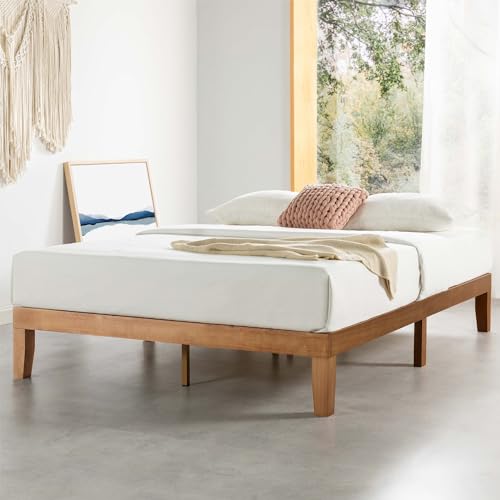
Beds generally range from 10 to 20 years. Solid wood frames outlast particleboard, especially if maintained regularly with proper cleaning and occasional tightening of screws.
Dressers can boast 15 to 20 years, especially those constructed from hardwood rather than softwood. Avoid placing excessive weight on drawers to enhance durability.
Bookcases offer a lifespan similar to dressers, around 15 to 20 years, particularly if not overloaded with books or heavy decorative items.
Chests of drawers have a range of about 10 to 15 years, especially if care is taken to avoid slamming drawers shut, which can lead to damage over time.
Mirrors attached to dressers or walls generally last indefinitely, provided that they are not exposed to high humidity or direct sunlight for extended periods.
Upholstered pieces, like benches, usually have a lifespan of 5 to 10 years, influenced by fabric quality and usage frequency. Regular cleaning can extend their usable life.
Maintenance Tips for Longevity
Regular cleaning is crucial. Use a soft cloth to dust surfaces weekly to prevent dirt buildup. For deeper cleaning, employ a damp cloth with mild soap, avoiding harsh chemicals that could damage finishes.
Protection Measures
Place coasters or mats under drinks and other items to guard against scratches and stains. Use felt pads under heavy objects to prevent indentations on surfaces.
Moisture Control
Maintain an even humidity level in the room. Excess moisture can warp wood, while dry air may cause cracking. Consider a humidifier or dehumidifier if necessary.
Regularly check for loose screws and joints. Tightening them can prevent further damage. Also, avoid placing heavy items on shelves not designed for them.
Rotate cushions and bedding periodically to distribute wear evenly. This simple act helps maintain shape and prolongs usability.
Store items properly. Avoid overloading drawers, which can cause them to break or stick. Ensure shelves can support their intended weight to avoid sagging.
Choosing Quality Items for Durability
Select sturdy materials like hardwood, metal, or marine-grade plywood for lasting endurance. Softwoods may offer initial aesthetic appeal but often struggle in longevity.
Key Considerations
- Joinery Techniques: Look for dovetail or mortise-and-tenon joints, ensuring stronger connections compared to staples or glue.
- Weight Capacity: Check weight limits on chairs and beds to gauge robustness; higher limits usually signify better construction.
- Finish Quality: Examine surface treatments; high-quality stains and finishes protect against wear and damage.
- Brand Reputation: Research manufacturers with a proven track record for building reliable products.
Testing Durability
- Inspect for Stability: Wiggle the piece slightly; any creaks or movement may indicate poor construction.
- Check for Flaws: Look for cracks, knots, or blemishes in the wood that can weaken its integrity.
- Try Before You Buy: Sit, lie, or even lean on items in the store to gauge comfort and structure.
- Warranty Awareness: Reliable items typically come with quality guarantees; a longer warranty can signal trust in the product’s durability.
By focusing on these specific aspects, you can make informed decisions that ensure your selections withstand the test of time.
Eco-Friendly Options and Their Lifespan
Choosing sustainable pieces can indeed enhance longevity, contributing positively to the environment. Many eco-friendly materials are designed for durability, often surpassing traditional options. For instance, bamboo and reclaimed wood are exceptional choices, providing both aesthetic appeal and resilience.
Common Eco-Friendly Materials
- Bamboo: Grows rapidly, making it a renewable source. With proper maintenance, it can last 10-15 years.
- Reclaimed Wood: Typically sourced from old structures, it’s unique and sturdy. Expect a lifespan of 20+ years when well cared for.
- Cork: Naturally resistant to moisture and mold. It can withstand 10-20 years, depending on usage and care practices.
- Organic Fabrics: Cotton, linen, and hemp can be robust but require regular cleaning and care for a lifespan of around 5-10 years.
Best Practices for Maintaining Eco-Friendly Pieces
- Regular dusting to prevent buildup.
- Use natural cleaners to avoid damaging finishes.
- Avoid direct sunlight to reduce fading and deterioration.
- Implement protective pads under items to prevent scratches and indentations.
By investing in eco-conscious selections and following these maintenance tips, the longevity of these items can significantly improve, offering both practicality and environmental responsibility.
FAQ:
How long can I expect my bed frame to last?
The lifespan of a bed frame typically varies based on the materials used and the quality of construction. Generally, a solid wood bed frame can last anywhere from 15 to 20 years, while a metal frame may have a lifespan of about 10 to 15 years. Factors such as weight capacity, frequency of use, and overall care can also affect longevity. Regular maintenance, like tightening screws and avoiding excessive weight, can further extend the life of your bed frame.
What influences the durability of bedroom furniture over time?
The durability of bedroom furniture primarily depends on the quality of materials and craftsmanship. Solid wood furniture, for instance, is known for its strength and longevity, while particleboard or lower-quality materials may wear out much faster. Additionally, the type of finish applied can impact resistance to scratches and dings. Environmental factors, such as humidity and exposure to sunlight, also play significant roles in how long furniture lasts. Proper care, such as regular cleaning and avoiding placing furniture in direct sunlight, can help maintain its appearance and function.
Do certain types of bedroom furniture last longer than others?
Yes, certain types of bedroom furniture indeed tend to have longer lifespans. Solid wood pieces, like hardwood dressers and nightstands, generally last longer than those made from softwoods or composites. Upholstered furniture, such as sofas or chairs in a bedroom, can also vary significantly; high-quality upholstery may last several years, while cheaper fabrics may show wear sooner. When selecting furniture, it is often wiser to invest in well-constructed pieces to ensure a longer-lasting benefit.
How can I extend the life of my bedroom furniture?
To extend the life of your bedroom furniture, regular maintenance is key. For wooden pieces, dusting with a soft cloth and using appropriate wood polish can help protect the finish. Avoid exposing furniture to direct sunlight and high humidity, as these conditions can cause warping and fading. For upholstered items, consider using fabric protectors and cleaning them according to the manufacturer’s instructions. Additionally, rotating mattresses regularly and placing furniture on pads can reduce wear and tear on the legs and surfaces.


