Caleb Turner

Expect longevity with eucalyptus installations, which can endure for 10 to 15 years with appropriate maintenance. This tropical hardwood exhibits remarkable resistance to moisture and decay, making it a solid choice for exterior settings.
To achieve optimal lifespan, regular upkeep is necessary. I recommend applying a high-quality sealant at the beginning of each season. This practice enhances resistance to weather elements and helps maintain the wood’s natural beauty. Additionally, storing pieces during extreme weather can prolong their service life.
When considering the initial investment, think about the potential savings from durability over time. Eucalyptus offers a cost-effective option in comparison to synthetic alternatives that may degrade faster. Therefore, opting for this material not only enriches your space but also ensures lasting functionality.
Durability of Eucalyptus Patio Items
The lifespan of these products generally spans around 10 to 15 years with proper maintenance. To ensure longevity, it’s crucial to apply a protective oil annually. This helps guard against moisture and UV damage, preserving the natural beauty and structural integrity.

Maintenance Tips
Regular cleaning with mild soap and water, avoiding harsh chemicals, will enhance durability. Storing items in a dry, shaded location during extreme weather conditions can minimize wear. A cover can also provide extra protection when not in use.
Signs of Wear
Look for signs such as fading color, splintering, or loose joints. Addressing these issues promptly can extend the life significantly. Consider refinishing every few years to maintain aesthetics and performance.
Durability Factors of Eucalyptus Wood
High resilience is characteristic of this timber, primarily influenced by its natural oil content, density, and resistance to rot. The oil extracts inhibit the growth of mold and fungi, which enhances longevity when placed outside. A density level of approximately 800 kg/m³ contributes significantly to its sturdiness against physical strain and external elements.
Environmental Conditions
Exposure to harsh weather can impact the integrity of this wood. In areas with high humidity, it’s advisable to maintain the surface with protective finishes. Regular treatment with sealants or stains can prevent moisture absorption and ward off potential warping or cracking. Additionally, protecting items from direct sunlight using covers can help retain color and finish.
Maintenance
Routine care is pivotal for extending the lifespan of this natural resource. Cleaning with mild soap and water, coupled with periodic oil treatment, aids in preserving its appearance and structure. Avoid abrasive cleaners that might damage the surface. By implementing a consistent maintenance plan, you can effectively prolong the usability of your investments crafted from this sturdy timber.
Comparing Eucalyptus to Other Outdoor Woods
Upon examining eucalyptus against various alternatives, I’ve found that its attributes stand out in multiple ways. For instance, teak is renowned for its longevity and resistance to moisture, but the cost may be prohibitive for many. Cedar, with its natural oils, offers some degree of decay resistance but requires regular maintenance to preserve its beauty. In contrast, eucalyptus presents an attractive option–relatively affordable and resilient against weather conditions, making it suitable for a diverse range of climates.
Moreover, pressure-treated pine, while budget-friendly, can suffer from warping and cracking over time. Eucalyptus shines in this aspect, maintaining a stable structure even in unpredictable environments. Additionally, when comparing with acacia, the latter provides a lovely aesthetic but often requires more maintenance than the former. Eucalyptus strikes a fine balance between beauty, cost-effectiveness, and durability.
The finishes applied can also affect the longevity of these materials. While teak often demands specialized products, eucalyptus typically requires simpler maintenance solutions, enhancing its appeal. I’ve observed that opting for eucalyptus can lower upkeep time while still delivering a warm, inviting look that complements any patio.
In summary, eucalyptus offers an excellent middle ground between durability, cost, and ease of care, making it a strong contender when selecting wood for outdoor applications. Other species can certainly compete, but eucalyptus maintains an impressive position across various attributes that matter for outdoor use.
Maintenance Tips for Prolonging Lifespan
Regular cleaning is key. I recommend using mild soap and warm water to remove dirt and grime. Avoid harsh chemicals that can damage the finish or the wood itself.
Protect from Elements
Using a protective cover during harsh weather helps prevent moisture buildup and UV damage. Store items indoors during extreme temperatures to minimize wear and tear.
Periodic Treatments
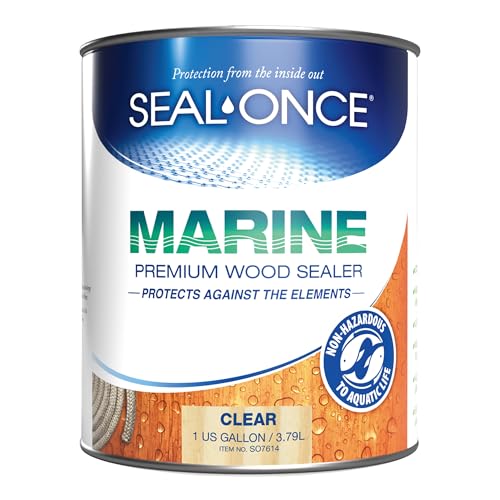
Applying a suitable wood oil every six months can enhance the appearance and add a layer of protection against the elements. Choose a product specifically designed for wooden surfaces to maintain its natural beauty.
Impact of Weather Conditions on Eucalyptus Furniture
Exposing this type of seating and tables to direct sunlight may cause fading and dryness over time. To mitigate these effects, it’s advisable to position items in shaded areas or use protective covers during peak sun exposure. High-quality finishes can also help minimize damage from UV rays and moisture.
Rain and Humidity Effects
Moist conditions contribute to potential mildew or mold growth. I recommend applying a waterproof sealant every year, especially in regions with high humidity. Also, ensuring proper drainage under outdoor pieces can prevent water accumulation, which might lead to warping or rotting of the wood.
Extremes of Temperature
Extreme heat can lead to cracks, while freezing temperatures may cause the wood to expand and contract. Storing items indoors during harsh winters is a practical approach. If left outside, covering them with tarps or specially designed covers during inclement weather will safeguard their integrity.
Signs Your Eucalyptus Furniture Needs Replacement
Inspecting for cracks is essential. When I notice visible fissures, especially in critical stress areas, it’s a clear indication that the structure is compromised and may need replacement sooner rather than later.
Pay attention to warping. If surfaces do not sit flat or are bending, this can affect stability and usability significantly. It’s often a sign that prolonged exposure to the elements has taken its toll.
Fading paint or color loss is another warning sign. Over time, the finish might degrade, leaving the wood vulnerable to moisture and pests. If refinishing doesn’t restore its original look, replacement may be necessary.
Signs of Pest Damage
Look for signs of insect infestations. Small holes or sawdust around joints indicate that the wood may have become a target for destructive pests, signaling a need for replacement.
Significant Wear and Tear
If joints become loose or wobbly, this instability suggests that the piece has reached the end of its useful life. Regular maintenance should prevent this, but it’s crucial to replace items that can no longer provide the required support.
| Sign | Action |
|---|---|
| Visible Cracks | Consider replacement |
| Warping | Evaluate structural integrity |
| Fading Color | Plan for potential replacement |
| Pest Damage | Immediate replacement advised |
| Loose Joints | Assess for replacement |
Cost vs. Longevity: Is Eucalyptus Worth It?
Investing in eucalyptus showcases its advantages in terms of durability, but budget considerations are crucial. Typically, pieces made from this hardwood fall within a mid-range price bracket, striking a balance between affordability and quality.
Here are factors influencing this balance:
- Initial Price Point: Compared to other hardwoods like teak or mahogany, eucalyptus remains more cost-effective, often appealing to budget-conscious purchasers.
- Longevity: With proper care, products can endure for 20 years or more. This lifespan offsets the initial cost, as replacements become less frequent.
- Maintenance Expenses: While upkeep may incur some costs, investing in the right products will extend the duration of your pieces, making them more cost-efficient over time.
Evaluating total ownership cost reveals that, despite a reasonable upfront investment, choosing high-quality timber results in savings long-term. Users often share experiences of durability and satisfaction, reinforcing this perspective.
Consider whether the aesthetic appeal and resilience of eucalyptus justify the expenditure. For many, its beauty coupled with longevity equates to a wise financial move. Analyzing current needs against financial limitations will determine if this option aligns with both desires and budgets.
In conclusion, if you seek a blend of economy, style, and lasting performance, opting for eucalyptus merits serious consideration. It ultimately comes down to assessing your specific requirements and determining the value you place on enduring elegance in outdoor settings.