
 Caleb Turner
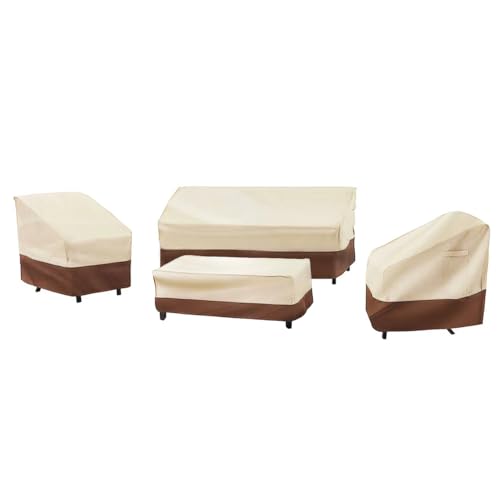
Investing in cast metal outdoor seating is a smart choice for longevity, typically offering a lifespan of 20 to 30 years with proper maintenance. This material is renowned for its resistance to rust, making it ideal for various weather conditions.
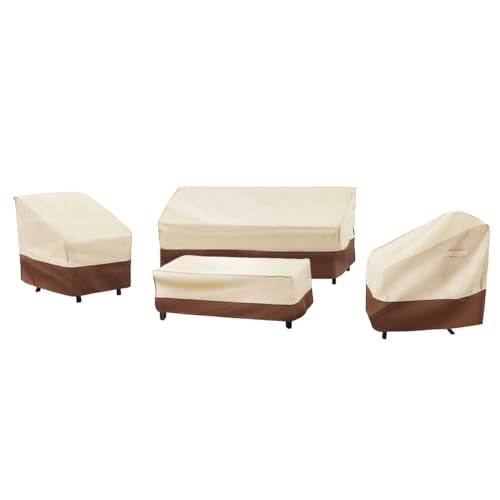
To enhance durability, I suggest regularly cleaning the surfaces and applying protective coatings. Take care to store the pieces during harsh weather or cover them to prevent wear and fading from UV exposure. These simple practices can extend the lifespan significantly.
Furthermore, consider the location when arranging these outdoor pieces. Choosing a shaded area can help mitigate sun damage while maintaining aesthetics. With these tips, your investment will withstand the test of time and continue to beautify your outdoor spaces for years ahead.
Longevity of Cast Metal Outdoor Seating
The lifespan of outdoor seating made from molded metallic materials often exceeds 15 years, with many pieces remaining functional for over two decades when properly maintained. Regular cleaning and protective coatings can significantly enhance durability against the elements, preventing rust and corrosion.
Factors Influencing Durability
Several elements contribute to the longevity of these items:


| Factor | Description |
|---|---|
| Climate | Areas with extreme weather, such as heavy rainfall or strong winds, can affect wear and tear. |
| Maintenance | Regular upkeep, including cleaning and occasional repainting, can provide added protection. |
| Quality of Material | Higher-quality alloys will typically resist deterioration better than lesser-grade versions. |
| Storage | During off-seasons, storing items in a sheltered space reduces exposure to harmful conditions. |
Recommendations for Care
Avoid allowing debris or moisture to accumulate on the surfaces. Applying a sealant designed for metal can help maintain shine and integrity while further extending the life span. Periodic inspections for signs of damage will also allow for timely repairs, ensuring continued use.
Understanding the Durability of Cast Aluminum
Investing in high-quality outdoor furnishings means selecting materials known for their longevity. Among these, aluminum stands out due to its resistance to rust, corrosion, and fading. Typically, items made from this material can endure decades of use with minimal wear.
Resistance to Environmental Factors
One of the remarkable characteristics of this metal is its innate resistance to rust and harsh weather conditions. Unlike iron or steel, which can corrode when exposed to moisture, aluminum remains unaffected. This advantage allows outdoor pieces to thrive in environments with extreme temperatures or high humidity.
Maintenance Recommendations
To maximize longevity, I suggest regular cleanings with mild soap and water. Avoid abrasive scrubbers, as they can scratch the surface and lead to deterioration over time. Applying a protective coating or sealant every few years can also extend the life of the finish, ensuring the beauty of your investment remains intact.
Ultimately, with proper care and attention, outdoor settings made from this substance can provide lasting enjoyment for years to come.
Factors That Affect Lifespan of Cast Aluminum Furniture
Regular cleaning is fundamental. Accumulated dirt and grime can corrode surfaces. I recommend washing with mild detergent and water, avoiding abrasive materials.
Environmental exposure significantly impacts durability. Ultraviolet rays can fade colors; therefore, utilizing protective covers when not in use can mitigate sun damage. Additionally, locations with high humidity can lead to oxidation, so proper storage during wet seasons is advisable.
The quality of the initial alloy plays a role. Premium-grade metal will generally withstand wear and tear better than lower quality. Always check for thickness and density when purchasing.
Design features also contribute. Intricate designs may harbor moisture, leading to rust formation. Opting for simpler structures can be beneficial in maintaining longevity.
Weight and construction matter as well. Sturdier and heavier pieces tend to resist movement and shifting. Securing pieces to prevent tipping in high winds can also prolong usage.
Lastly, regular inspections for damage, such as cracks or loose joints, are crucial. Prompt repairs can prevent small issues from escalating into more significant problems.
- Clean regularly with mild detergent.
- Use protective covers for sun exposure.
- Store in dry conditions during wet seasons.
- Choose high-quality metal for better durability.
- Opt for simpler designs to reduce moisture retention.
- Look for sturdy, heavy constructions.
- Inspect regularly for damage and make prompt repairs.
Common Maintenance Practices to Extend Furniture Life
Regular cleaning with mild soap and water helps to remove dirt and grime. I recommend using a soft cloth or sponge to avoid scratching surfaces.
Protective Measures
- Use furniture covers when not in use to shield from weather elements.
- Store items in a dry place during extreme weather conditions.
- Apply a protective sealant annually to prevent oxidation.
Routine Inspections
- Check for loose screws and bolts periodically; tightening them can prevent structural issues.
- Inspect for any signs of wear, such as rust or scratches, and address them immediately to avoid further damage.
By incorporating these simple yet effective practices, I can significantly extend the lifespan of my outdoor seating. Consistent care pays off, ensuring that my space remains inviting and enjoyable for years to come.
Weather Resistance and Longevity of Cast Aluminum
Opt for powder-coated finishes to boost weather resistance. This process creates a robust layer that protects against moisture and UV rays, significantly prolonging outdoor usability. Regularly inspect for signs of wear and tear, particularly around joints and edges, where moisture might accumulate.
Store items in a covered area during harsh weather conditions, especially in winter. If covered storage isn’t possible, consider using protective covers to shield them from rain and snow. This practice minimizes rust and wear, enhancing durability.
Keep the surfaces clean by gently washing with mild soap and water, removing dirt and debris that can lead to corrosion over time. Avoid harsh chemicals or abrasives which might compromise the protective finish.
Rust resistance is a standout feature; however, regular inspections will ensure any small areas of oxidation are dealt with promptly. Applying a touch-up paint can seamlessly address minor imperfections and maintain aesthetic appeal.
To increase lifespan, choose high-quality pieces from reputable manufacturers. Investing in well-crafted items ensures sturdiness and longevity against environmental factors. Combine these strategies to enjoy your outdoor pieces for many years.
Comparing Cast Aluminum to Other Patio Furniture Materials
When selecting outdoor seating options, it’s crucial to evaluate various materials available. I find that aluminum, in particular, offers distinct advantages over many alternatives. For instance, wood may provide aesthetics but requires frequent sealing and treatment to resist moisture, which can compromise its lifespan. Additionally, it tends to be heavier and more cumbersome to move.
On the other hand, plastic options are lightweight and easy to clean, but they lack durability. Over time, exposure to UV rays can cause fading and brittleness, ultimately limiting their usability. I’ve noticed that metal varieties like wrought iron can endure harsh weather, yet they often suffer from rust and require periodic maintenance.
Aluminum stands out due to its innate resistance to oxidation, meaning I can leave it outside year-round without worries of corrosion. This aspect allows for less frequent maintenance compared to steel or wood, making it a practical choice for my outdoor space.
In summary, I prefer aluminum pieces for their combination of durability, low maintenance, and versatility. They provide an excellent balance of style and functionality, which is often hard to find with other materials. While each type has its merits, aluminum offers a compelling solution for lasting outdoor enjoyment.
Signs That Your Cast Aluminum Furniture Needs Replacement
If I notice cracks, significant corrosion, or rust spots on the surface, it’s a clear indication that my outdoor seating is reaching the end of its life cycle. Faded or chipped paint is another sign; if the finish is peeling beyond simple touch-ups, it may be time to consider a replacement.
When the joints and welds start to show signs of weakness or separation, stability becomes a concern. If I feel wobbling or instability while sitting, that signals structural failure. Additionally, if any sharp edges or splinters develop, it could pose a safety risk, which I cannot ignore.
I also pay attention to the overall comfort. If the cushions sag excessively or the frames feel uncomfortable, despite regular maintenance, it’s a strong signal that replacements should be made sooner rather than later.
Finally, if the aesthetic appeal has diminished so much that it detracts from my outdoor space, investing in new pieces can revive the area. Regular evaluations will help me decide whether to repair or replace these outdoor essentials.
Maximizing Your Investment: Tips for Longevity
To extend the life of your outdoor metal seating, prioritize regular cleaning. Utilize a mild soap and water solution to remove dirt and debris. This simple step can prevent corrosion and maintain the appearance of the surface.
Protective Measures
Applying a protective coating can significantly enhance durability. Consider using a clear sealant specifically designed for metals. This barrier will shield against moisture and UV rays, reducing the risk of fading and rust.
Seasonal Care
Storing your items during harsh weather conditions is crucial. Use protective covers or, if feasible, move your seating indoors. This practice minimizes exposure to elements that can compromise structural integrity over time.
Inspect regularly for any signs of damage or wear. Addressing issues like scratches or small dents promptly will prevent further deterioration. Keeping an eye on the joints and connections ensures stability remains intact for years of enjoyment.


