Caleb Turner
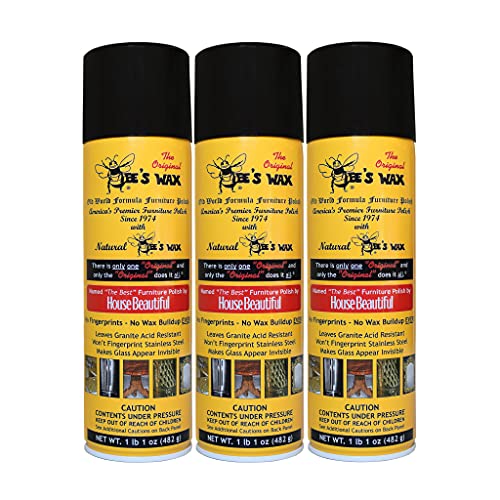
After applying a wax finish, it’s advisable to wait at least 24 hours before interacting with the surface. This waiting period ensures that the wax has enough time to cure properly, resulting in a more durable finish.
In cases where the environment is cooler or more humid, extending the wait time to 48 hours can be beneficial. Higher humidity may slow down the curing process, and ensuring that the wax has adequately set will prevent damage to the freshly treated area.
For optimal results, I recommend avoiding placing heavy objects or using cleaning products on newly waxed surfaces for at least a week. This precaution helps to maintain the quality of the wax and preserves the overall appearance of the surface.
Recommendation on Post-Waxing Use
I recommend waiting at least 24 hours before putting any items on your recently waxed surface. This timeframe allows the wax to cure properly, creating a solid protective barrier. Rushing this process may lead to smudges or tacky spots.


Factors Influencing Curing Time
Several variables may affect the drying duration, such as:
- Temperature: Warmer conditions typically expedite drying.
- Humidity: Higher moisture levels in the air can prolong curing.
- Type of wax: Some formulations may require longer periods to set completely.
How To Check Wax Curing
To ensure the wax has properly dried, lightly touch an inconspicuous area with your fingertip. If it feels cool and dry, it’s likely ready for light use. If it remains sticky or leaves a fingerprint, it needs more time. Patience will yield the best results.
Understanding the Waxing Process
Upon applying a coat of wax, it is crucial to allow adequate time for it to cure and create an effective protective layer. Generally, I recommend waiting at least 24 hours before interacting with the surface to ensure optimal hardening. During this duration, the wax bonds with the material, enhancing both beauty and durability.
Environmental conditions play a significant role in this process. Higher humidity or cooler temperatures can extend curing time, while warmer, dry environments facilitate quicker setup. To foster an effective application, I keep the area well-ventilated and at a moderate temperature.
Application technique contributes to the outcome as well. I prefer using a soft cloth or brush, ensuring a thin, even layer. Thick applications tend to result in a longer waiting period due to inadequate drying between layers. If multiple applications are desired, allowing a substantial interval between them will help achieve the best finish.
Regular maintenance post-treatment enhances effectiveness. I maintain surfaces by periodic buffing with a clean cloth. This prolongs the life of the wax and keeps the finish looking fresh. When properly managed, a waxed surface provides both aesthetic appeal and functional protection.
Factors Affecting Drying Time
The drying period post-application varies based on several key elements. Temperature plays a significant role; a warmer room accelerates the curing process, while cooler conditions extend it. Ideally, maintaining a temperature between 68°F and 75°F promotes efficient drying.
Humidity
High humidity levels can hinder evaporation, resulting in a longer wait time. Conversely, lower humidity aids in quicker drying. Using a dehumidifier in damp environments can expedite the process significantly.
Type of Wax
The formulation of the wax used also impacts drying. Some products are designed to dry rapidly, while others contain oils that require more time to set. It’s critical to consult the manufacturer’s guidelines for specific recommendations regarding the product used.
| Factor | Effect on Drying Time |
|---|---|
| Temperature | Higher temperatures speed up drying; lower temperatures slow it down. |
| Humidity | High humidity increases drying time; low humidity decreases it. |
| Type of Wax | Faster-drying formulas reduce wait time; traditional formulations may take longer. |
By monitoring these variables, I can achieve optimal results and ensure the surface is ready for use in a timely manner.
Typical Drying Times for Different Wax Types
Applying natural beeswax typically requires about 30 minutes to 1 hour to achieve a firm set, allowing light use of the surface during this period. However, for optimal results, I prefer to wait around 24 hours before subjecting it to heavier use.
Paraffin wax, which is often found in commercial products, dries faster. I notice a drying time of approximately 15 to 30 minutes. Similar to beeswax, waiting overnight ensures full hardening and durability against moisture and scratches.
Hybrid waxes, combining oil and wax, necessitate a slightly longer waiting period, usually around 1 to 2 hours. Despite the initial surface drying quickly, I advise against placing heavy items for up to 24 hours.
Lastly, solvent-based waxes tend to dry rapidly, generally setting within 10 to 20 minutes. These types may feel dry to the touch but require around 12 hours for complete curing before heavier use or placing objects on the surface.
Signs That Furniture Is Ready to Use
Observe these indicators to determine readiness for use:
- Surface Feel: The texture should be smooth without any stickiness. Run your hand across the surface; it should feel dry and not tacky.
- Visual Inspection: Check for any glossy areas or wet spots. A uniform matte finish indicates that it has cured properly.
- Odor Check: A lingering wax scent may signal that it needs more time to set. If the smell dissipates, it’s likely safe to proceed.
- Time Frame: Refer to the drying times specific to the product used. Generally, a minimum of 24 hours should pass.
- Water Test: Drop a small amount of water on the surface. If it beads up and does not penetrate, it’s ready; if it soaks in, additional curing time may be required.
Utilizing these checks helps ensure optimal usage and preserves the quality of the finish.
Impact of Humidity and Temperature on Wax Cure
Maintaining optimal conditions is necessary for achieving the best results with furniture waxing. I recommend ensuring humidity levels are between 40% to 60% for ideal curing. Elevated moisture can prolong drying times and potentially lead to improper adhesion of the wax. Conversely, excessively dry conditions can cause the wax to harden too quickly, resulting in a less even finish.
Temperature Guidelines
Optimal temperature settings should range between 60°F to 80°F (15°C to 27°C). Applying wax in cooler environments may extend the curing time, while hotter temperatures can streamline the process but risk damaging the integrity of the finish. I find that working at room temperature promotes a more uniform application and curing process.
Recommendations for Best Results
- Monitor relative humidity; a hygrometer can be useful.
- Keep the working area well-ventilated to balance moisture levels.
- Avoid direct sunlight on the treated surface, as it can cause uneven curing.
- Store wax products in stable temperature environments to maintain consistency.
By managing these factors prudently, I ensure that the wax sets properly, enhancing the durability and aesthetic appeal of the furniture.
Best Practices for Wax Application
Applying wax correctly enhances protection and appearance significantly. First, ensure the surface is clean and free from dust or debris. Use a soft, lint-free cloth for application, which helps in achieving an even coat. I prefer working in small sections to maintain control over the process.
Application Technique
Apply a thin layer of wax using circular motions. Starting from one edge and working towards the other prevents overlapping areas and ensures an even finish. Avoid applying excessive pressure; a light, even touch allows the wax to penetrate the wood effectively.
Let the wax sit for about 10 to 15 minutes, allowing it to bond with the surface before buffing. Using a clean, dry cloth, buff the area gently in circular motions. I find that this enhances the shine and helps eliminate streaks.
Frequency of Application
Reapply wax every 6 to 12 months, depending on usage and environmental conditions. High-traffic areas may require more frequent treatments, while less exposed surfaces can go longer between applications.
Storing wax in a cool, dry place prolongs its shelf life. Always check for separation of components before using. If necessary, mix thoroughly to restore consistency.
Following these guidelines ensures a well-protected and visually appealing surface that stands the test of time.
Common Mistakes to Avoid When Waxing
Avoid applying a thick layer of product; it leads to uneven surfaces and longer drying times. Instead, opt for thin and even coats to ensure a smooth finish.
Ensure the surface is clean and free of dust before application. Neglecting this step may trap particles under the finish, resulting in an unsightly appearance.
Do not skip the buffing process. It’s essential for achieving the desired sheen and removing excess material. Use a soft cloth and apply firm, even pressure while buffing.
Resist the temptation to rush the curing process. Allow adequate time for the coating to set. Patience during this phase ensures durability and optimal results.
Avoid using the wrong type of wax for your specific material. Each surface has unique needs, so select an appropriate product tailored for the particular item being treated.
Steer clear of extremely humid or cold environments during application. These conditions hinder adhesion and can lead to improper drying, compromising the overall quality.
Be cautious with application tools. Using abrasive materials may scratch the surface, whereas high-quality applicators prevent damage and ensure uniform coverage.
Focus on one section at a time. Applying to multiple areas simultaneously can lead to inconsistencies and difficulty achieving an even finish.
Lastly, do not ignore regular maintenance. Periodic re-waxing keeps surfaces protected and looking their best. Maintaining consistency in care extends the life of your investment.
Maintenance Tips for Waxed Furniture
Regular upkeep extends the life of your treated surfaces and maintains their beauty. I recommend dusting the pieces frequently using a soft, lint-free cloth to remove dirt and debris without scratching the finish.
For cleaning, a mild soap solution with warm water works well. Always use a damp cloth; avoid soaking the surface, as excess moisture can harm the wax layer. After cleaning, dry the area immediately with a different soft cloth.
Reapplication of wax every 6 to 12 months helps preserve the finish and enhance shine. My preferred method is to apply a thin layer using a soft cloth in circular motions, ensuring even coverage. Allow the wax to sit for a short period, as per the product’s guidelines, then buff to a shine.
Keep an eye out for scratches or dull areas; these can be remediated by spot-waxing or a complete re-waxing of the affected section. Avoid placing hot items directly on the surface, and use coasters and placemats to prevent marks and stains.
Avoid exposure to direct sunlight or extreme temperature shifts, which can affect the wax’s integrity. By maintaining a consistent environment, I find my earnings look vibrant for longer.
Be mindful of humidity levels; too much moisture can lead to a wax breakdown. If my area has high humidity, I consider using a dehumidifier to protect my investments.