
 Caleb Turner

The application of a whitewash finish begins with a thorough cleaning of the surface, ensuring all dust and grease are removed. This step is crucial for achieving an even coat. A mixture of equal parts of water and latex paint works exceptionally well. Combine these ingredients in a container, achieving a consistency that provides a translucent finish.
Once the mixture is ready, using a wide brush or a clean rag is essential for applying the solution. Apply it liberally across the surface, working in sections. For a more rustic appearance, leave some areas untreated, allowing the underlying wood grain to show. After the application, a gentle wipe with a cloth can help soften the look, blending the finish seamlessly.
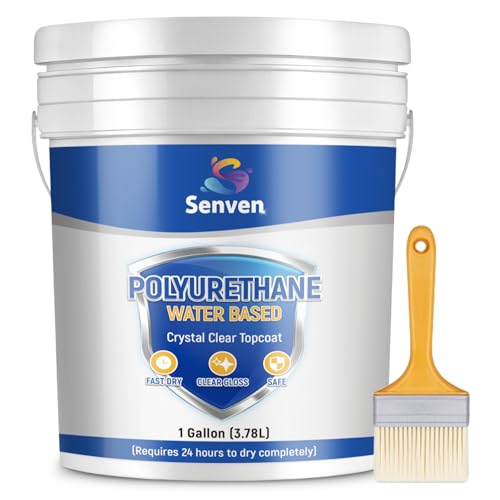


After drying for a few hours, a protective topcoat of polyurethane can enhance durability and add a subtle sheen. Choose a water-based option for maintaining the translucency of the whitewash. Allow adequate drying time between coats, ensuring a robust and lasting finish. Completing these steps transforms aged or plain items into eye-catching accents in any room.
Application Procedure for a Distressed Finish
First, select a high-quality paint suitable for wood surfaces. Mix water with the paint in a 1:1 ratio until a smooth, opaque consistency is achieved. Prepare the surface by sanding it lightly to remove any gloss and to create a good adhesion point. Clean off dust thoroughly before continuing.
Use a clean, soft brush or a cloth to apply the mixture evenly. Work in sections to maintain a wet edge. For a more rustic look, dab a clean cloth over the applied area to partially remove some of the paint while it’s still wet. This will reveal more of the wood grain underneath.
Allow the coating to dry completely. Lightly sand the surface again after drying; this will help to blend the finish and create a softer appearance. Remember not to oversand, as some of the base layer is preferred to show through.
Once satisfied with the look, seal the surface with a clear topcoat. Opt for a water-based polyurethane for easy application and quick drying. This will protect the finish and enhance durability while retaining a lovely matte effect.
Inspect the final result once the topcoat has dried, and touch up any areas as needed. Regular maintenance will keep the finish looking fresh, ensuring longevity and beauty.
Choosing the Right Type of Wood for Whitewashing
Selecting the appropriate type of timber is fundamental for achieving a successful transformation. Softwoods like pine and fir respond well to bleaching techniques, absorbing the solutions uniformly, yielding a rustic charm. For a refined finish, hardwoods such as oak and maple are preferable. Their density allows for a more controlled application, resulting in a smoother appearance.
Softwoods vs. Hardwoods
Softwoods typically dry faster, simplifying the application process. However, they may exhibit more knots and imperfections, adding character when treated. On the contrary, hardwoods, with their tighter grain patterns, offer a more polished outcome, albeit requiring more effort during preparation. Prioritize the project’s aesthetic to determine the best choice.
Condition and Grain
Evaluate the condition and grain of the selected wood. Uneven grains or rough surfaces may detract from the final look. Proper sanding prepares the surface, enhancing the overall effectiveness of the technique. Consider pre-treatment with a wood conditioner, particularly on porous species, to ensure consistent absorption of the whitewashing mixture, ensuring the desired result is achieved.
Preparing the Surface: Cleaning and Sanding
Cleaning the selected item is crucial. Use a mixture of warm water and a mild detergent for scrubbing surfaces, removing dirt and grime. A soft cloth or sponge works well to avoid scratching the wood. Rinse thoroughly to eliminate any residue from the cleaning solution.
After cleaning, drying is essential. Allow the surface to air dry completely to prevent moisture from compromising the finish. This step ensures that the next phase, sanding, adheres effectively.
Sanding brings out the wood’s natural texture and creates a smooth base. Begin with medium-grit sandpaper (around 120-grit) for initial smoothing. Sand along the grain, applying even pressure to avoid uneven spots. After achieving a smooth surface, switch to finer sandpaper (220-grit) for a polished finish.
Removing dust is a necessary post-sanding step. Wipe the surface with a damp cloth or use a vacuum cleaner with a brush attachment to ensure all particles are gone. This preparation sets the stage for applying any finish, enhancing the aesthetic appeal and longevity of the wood.
Selecting the Appropriate Whitewash Mixture
For a successful finish, combining equal parts of water and white latex paint yields an effective mixture. This solution achieves a transparent coat, allowing wood grain to show through.
If seeking a more opaque appearance, adjust the ratio to one part water and two parts paint. Test this blend on a scrap piece of wood to evaluate the opacity and drying time before applying to the main surface.
Consider experimenting with different paint types, such as chalk paint or mineral paint, as each offers unique textures and effects. Chalk paint provides a matte finish while mineral paint often results in a more durable surface.
For a customized tint, adding a small amount of acrylic paint allows for color variations while maintaining a whitewashed look.
Ensure to mix the chosen components thoroughly to avoid inconsistencies during application, which could affect the final result. Store any leftover mixture in a sealed container for future touch-ups.
Applying the Whitewash: Techniques for Best Results
For optimal results, work in small sections. This ensures an even application and prevents the mixture from drying before blending. I prefer to start at the top and move downward, allowing any drips to flow smoothly.
Tools Required
- Brush: A synthetic bristle brush works well for fine control.
- Cloth: Use a lint-free cloth to wipe off excess.
- Tray: A paint tray helps with managing the mixture.
Application Steps
- Dip the brush into the whitewash mixture, shaking off any excess.
- Apply the mixture generously to the wood, working it into the grain.
- Wipe away the excess with a cloth to achieve the desired opacity. This will give a softer, more rustic look.
- Allow it to dry completely before assessing the finish. If a lighter shade is desired, a second coat can be applied.
Ensure adequate ventilation during the process, as strong fumes can linger. Once the desired appearance is achieved, finish with a clear topcoat for protection and longevity.
Creating a Distressed Look with Whitewash
To achieve a beautifully distressed appearance, focus on layering and texturing techniques after the whitewash application. Here are steps to create that vintage feel:
Layering Techniques
- Apply a base coat of diluted mixture, allowing it to dry completely.
- Use a dry brush technique with a slightly darker shade or a clear finish to emphasize the wood’s grain.
- Sand specific areas to expose more original wood tone, creating a worn look.
Texturing for Character
- Utilize a sponge or cloth to dab on areas with more pressure for a unique texture.
- Experiment with different tools like brushes or rags to add varied patterns.
- Incorporate distressing tools like chisels or scrapers for deeper grooves.
Mixing different shades within your initial coat can add complexity, enhancing the charm of the final piece. Don’t hesitate to practice on scrap wood to refine your technique before applying it to the main item.
Sealing the Whitewashed Finish for Durability
Choosing a quality sealant is crucial for protecting the lightened finish. A clear polyurethane or water-based sealant is ideal, as it provides a durable protective layer while allowing the wood’s natural texture and color to shine through. Apply at least two coats for optimal durability.
Before sealing, ensure the whitewash has fully dried. Lightly sand the surface with a fine-grit sandpaper to promote adhesion between layers. Clean any dust particles thoroughly to avoid imperfections in the final finish.
Using a synthetic brush or foam applicator, apply the sealant evenly, following the wood grain. Avoid over-brushing, which can create streaks or bubbles. Allow adequate drying time between coats as specified by the product instructions; this typically ranges from one to four hours.
For high-traffic areas or surfaces that may encounter moisture, consider a marine-grade sealant for added protection. This option offers superior durability against wear and tear, making it suitable for items like tables or benches.
After the final coat cures–generally four to seven days–test the surface by gently placing an object on it to ensure the seal is adequately hardened. Regular maintenance, such as dusting and occasional reapplication of the sealant, will keep the finish looking fresh.
Common Mistakes to Avoid When Whitewashing
Overly thick application of the mixture leads to an uneven finish. A thin layer ensures better wood grain visibility, enhancing the natural beauty of the surface.
Using the wrong type of paint or finish results in poor adhesion. Always opt for compatible products designed for wood treatments to achieve desirable results.
Skipping surface preparation causes problems with application. A well-cleaned and sanded surface promotes better adherence and a smoother finish.
Neglecting test swatches leads to unforeseen color issues. Testing on a small, inconspicuous area helps gauge the final appearance before full application.
Rushing the drying process often creates a tacky surface. Allow adequate drying time between applications to ensure each layer sets properly.
Failing to seal the finished surface can result in wear and damage over time. Applying a protective sealant after the process guarantees longevity and durability.
| Mistake | Consequence | Solution |
|---|---|---|
| Over-application | Uneven finish | Use thin, even layers |
| Wrong materials | Poor adhesion | Select compatible products |
| Skipping prep | Poor results | Clean and sand properly |
| No test swatch | Color mismatch | Test on a small area |
| Rushing drying | Tacky surface | Allow proper drying time |
| No sealant | Damage over time | Apply protective sealant |
Maintaining and Caring for Whitewashed Furniture
Regular cleaning with a damp cloth is crucial to preserve the surface without damaging the finish. Avoid harsh chemicals or abrasive materials, as they can strip the whitewash and alter the appearance.
Periodic Touch-ups
Inspect the finish every few months for any scuffs or wear. A light sanding followed by a fresh application of the whitewash can refresh the look. If needed, apply a clear sealer for additional protection, especially in high-traffic areas.
Controlling Humidity
Maintain a stable humidity level in the surroundings to prevent the wood from expanding or contracting, which may cause cracks in the whitewashed finish. A humidifier or dehumidifier can be beneficial in extreme conditions.


