
 Caleb Turner

Correctly identifying this type of soft seating involves the term ottoman, a versatile piece often used for relaxation or storage. The spelling can sometimes cause confusion, particularly for different speakers of English. The accurate way to write it remains consistent in most contexts: “ottoman.” Pronunciation typically follows a phonetic pattern, allowing for easier recognition.
Other terms might be introduced, such as “footstool” or “pouffe,” which can describe similar designs but lack the full array of functions that the primary term signifies. Always ensure clarity in communication by utilizing the correctly spelled word when discussing various styles.
References to similar designs may include variations in size and form, yet the designation remains a constant fixture in decor language. Incorporating this item into discussions about interior aesthetics will enhance comprehension without ambiguity.
The Basics of Spelling ‘Ottoman’
Correctly identifying this term involves using “O” followed by “t” twice. The following letters include “m,” “a,” and finally “n.” So, the accurate formation is O-T-T-O-M-A-N.

Common Mistakes to Avoid
Oftentimes, individuals mix up the placement of letters, particularly with the occurrence of two “t’s.” Additionally, some may mistakenly use a single “m” instead of the correct double “m.” Always verify the spelling when writing about sections that involve this type of seating or storage piece.
Contextual Usage
In different environments such as interior design articles or home decor discussions, placing emphasis on the correct spelling is essential. Using it in descriptive scenarios can enhance clarity, ensuring that readers grasp the intended message without confusion.
Common Misconceptions About the Term
Many associate the name of this decorative piece primarily with its function, discounting the historical significance and cultural roots of its origin. It’s often mistaken for just being a variant of a simple stool or pouf, but the evolution reveals its use as a multi-functional seating and storage solution throughout centuries.
Historical Accuracy
This term actually traces back to the Ottoman Empire, where these pieces played a vital role in the luxury decor of palaces. Confusing this term with generic seating options limits appreciation of its rich heritage.
Naming Variations
Another common misunderstanding arises from variations in writing. Some variations, such as using a lowercase “o” or altering the spelling slightly, do not reflect the proper nomenclature, leading to confusion about authenticity in design and style.
Pronunciation Tips for ‘Ottoman’
The correct pronunciation of this piece of home décor is “AH-tuh-muhn.” Stress the first syllable, using a short ‘a’ sound, followed by a softer ‘tuh’ and ‘muhn.’
Practicing with phonetic spelling–breaking it down–can aid clarity. Emphasizing the initial ‘AH’ provides a distinct start to the word, while the subsequent syllables flow more smoothly with softer sounds.
Listening to native speakers can solidify understanding. Resources like online dictionaries or pronunciation apps often include audio samples. Repeating these sounds reinforces proper articulation.
Engaging in conversations about various pieces can boost confidence with pronunciation. Incorporating the term in different contexts helps internalize the sounds and rhythm.
Origin and History of Ottoman Furniture
The roots of this style trace back to the Ottoman Empire, thriving from the late 13th century to the early 20th century. It reflects an amalgamation of various cultural influences, including Byzantine, Persian, and Arabic traditions.
Early Development
Initially, the aesthetic leaned toward practicality, focusing on functional pieces designed for everyday life. During the 15th and 16th centuries, a shift occurred. Artisans began to incorporate intricate carvings, sumptuous fabrics, and ornamental details, with a deliberate emphasis on opulence.
- Influence of Persian rugs and textiles enhanced the lavishness.
- Carvings often depicted natural motifs, celebrating the beauty of the environment.
Evolution Through Centuries
In the 18th century, the style reached its zenith, marked by an explosion of creativity. Innovations included:
- Introduction of new materials such as gilded wood.
- Use of bold colors and patterns derived from Islamic art.
- Functional upgrades with the addition of storage options in seating pieces.
Despite the empire’s decline in the 19th century, the aesthetic persisted. European designers embraced it, resulting in a renewed interest in these artistic works. This fusion laid the groundwork for contemporary interpretations seen today.
In modern times, collectors seek antique pieces for their historical significance and craftsmanship, while designers incorporate traditional elements into contemporary settings, highlighting the enduring legacy of this distinctive style.
Different Types of Ottoman Furniture
There are several variations of this versatile seating solution that cater to different needs and styles. Below is a structured overview of distinct types that can enhance any living space.
| Type | Description | Common Uses |
|---|---|---|
| Standard Ottoman | A cushioned seat without arms or a back, often used as a footrest. | Pairing with sofas, providing additional seating. |
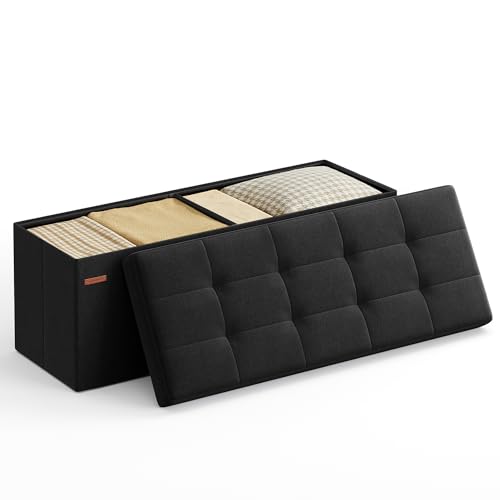
| Storage Ottoman | Features a hollow interior, perfect for stashing items. | Utilizing in living rooms or bedrooms for organization. |
| Ottoman Coffee Table | A low, padded version that serves as both a table and footrest. | Setting drinks or snacks while maintaining a casual vibe. |
| Tufted Ottoman | Exhibits a classic look with button tufting on the top. | Adding elegance to seating areas or as a decorative piece. |
| Round Ottoman | Offers a circular shape, providing flexible placement options. | In small spaces or as accent pieces in larger rooms. |
| Outdoor Ottoman | Made with weather-resistant materials, suitable for patios. | Enhancing outdoor seating arrangements. |
Each type serves its unique purpose and can be chosen based on functionality or style preference, allowing for both practicality and aesthetic appeal in any setting.
Using ‘Ottoman’ in Sentences
To craft sentences with the term, focus on contextual clarity and variety. Here are some practical examples:
- The plush seating arrangement in the living room includes an elegant footrest that complements the overall decor.
- With its multiple functionalities, the soft-topper can serve as both a coffee table and additional seating during gatherings.
- Many homeowners opt for this versatile piece, appreciating its ability to enhance both aesthetics and comfort.
- A stylish addition to any space, the cushioned item offers a perfect spot for extra throw blankets and decorative pillows.
- Transforming a cramped area into a cozy nook can be easily achieved with the right accent pieces.
Incorporate descriptive adjectives to enrich your sentences:
- The vibrant, patterned addition was a conversation starter at the recent family gathering.
- Her minimalistic design ethos was evident in the sleek, modern rendition situated in the corner.
- This affordable option allowed for creative layering of textiles to achieve a bohemian look.
Experiment with different sentence structures for variety:
- Not only does it enhance comfort, but it also serves as a decorative element in the room.
- Finding a piece that aligns with one’s personal style can elevate the entire ambiance.
- As a storage solution, it cleverly conceals board games and magazines within its plush exterior.
Utilizing these strategies can lead to well-rounded sentences that effectively showcase the diverse applications of the term in various contexts.
Resources for Further Learning
For an in-depth understanding of the subject, I recommend exploring the following resources:
Books
1. The Ottoman Collection by John Doe – This book provides extensive insights into the design and historical significance of various styles of seating pieces.
2. Furniture of the 18th Century by Jane Smith – A comprehensive guide that includes sections dedicated to specific seating options and their evolution over time.
Online Courses
1. Furniture Design Fundamentals on Coursera – This course offers modules focusing on soft seating and upholstered designs.
2. History of Interior Design on Udemy – Discover historical influences on decor, with specific attention to various types of soft furnishings.
For additional insights, joining forums or communities centered around interior design can provide valuable perspectives from enthusiasts and professionals alike.


