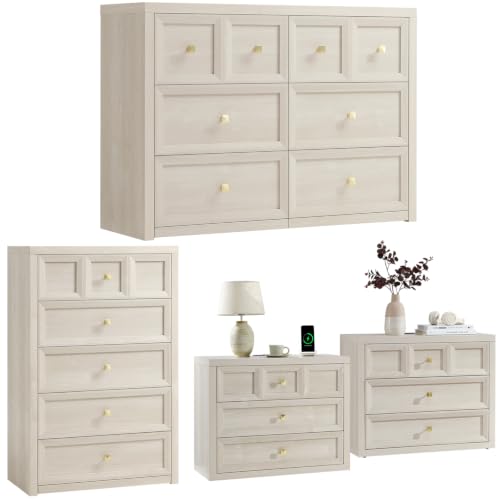
Caleb Turner
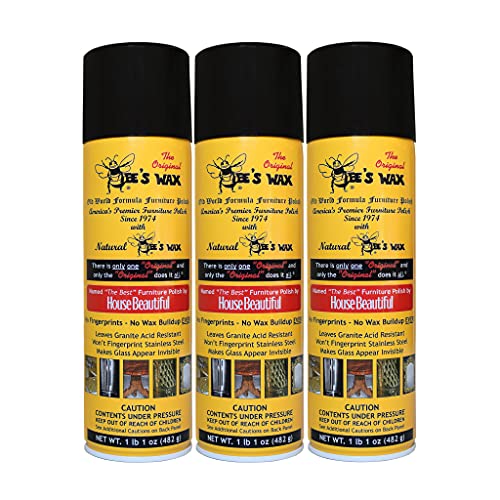
Begin with a simple solution of warm water and mild soap, which effectively removes dirt and grime from surfaces. Apply the solution with a soft cloth, ensuring that it is damp rather than soaked to prevent water damage.
For additional disinfection, a mixture of vinegar and water serves as a natural agent. This can be prepared by blending one part vinegar with one part water. Wipe the surface with the mixture and allow it to air dry, benefiting from vinegar’s antibacterial properties.

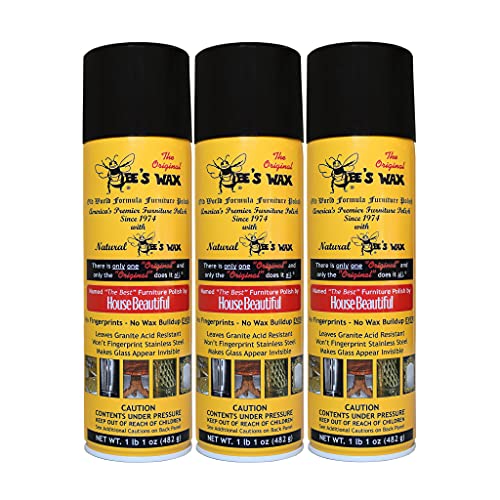
After cleaning, a wood-safe polish can enhance the shine and provide a protective layer. Look for products specifically designed for treating wooden materials to maintain their integrity while offering a polished appearance.
Regular maintenance involves dusting with a microfiber cloth and addressing spills immediately to avoid stains. Keeping the area well-ventilated can also prevent moisture buildup, which could lead to mold or damage over time.
Choosing the Right Cleaning Solution for Wood
Using a mild soap solution mixed with warm water works well for general maintenance. Combine a few drops of liquid dish soap with a quart of water to create a gentle cleaner that won’t damage the finish.
For disinfecting, opt for a mixture of equal parts vinegar and water. This natural solution eliminates bacteria while preserving the surface. Avoid using undiluted vinegar, as it can be too harsh.
An alternative solution involves combining olive oil and lemon juice in a 2:1 ratio. This mix polishes surfaces and adds a protective layer, ensuring a rich shine.
Commercial cleaners specifically formulated for natural surfaces are also available. It’s wise to check for compatibility with the specific finish on your items. Always test any product on a small, inconspicuous area before applying it universally.
Avoid abrasive cleaners or those containing ammonia or bleach, as these can cause irreversible damage to finishes. Stick to soft cloths for application, as rough materials may scratch delicate surfaces.
Preparing Your Wood Furniture for Sanitization
Remove all items from surfaces before proceeding. This includes decorative pieces, books, and any small objects that may be resting on the furniture. Ensuring a clear workspace facilitates easier and more efficient cleaning.
Next, inspect each piece for any accumulated dust and debris. Use a soft, dry cloth or a duster to gently wipe away particles. This step prevents dirt from mixing with cleaning solutions, which could lead to scratches on the surface.
Check for any signs of damage such as scratches, dents, or loose joints. If necessary, make minor repairs before applying any cleansing agents. Addressing these issues can improve the overall appearance and longevity of the wood.
Ensure the area is well-ventilated, particularly if using a cleaning solution that may emit strong odors. Open windows or use a fan to maintain good air circulation.
For delicate finishes, test any solution on a hidden spot first to prevent adverse reactions. This quick test reveals how the wood reacts without affecting the visible areas.
Prepare any tools needed for the process, such as microfiber cloths, soft brushes, or sponges. Having these items readily available streamlines the cleaning process.
Finally, work systematically from the top of each piece to the bottom. This approach keeps dirt from falling onto areas that have already been cleaned.
Step-by-Step Guide to Sanitizing Surfaces
Begin with a clean, dry microfiber cloth to eliminate dust and debris. This ensures that any cleaning solution adheres effectively and reaches surfaces without obstruction. Dampening the cloth slightly with warm water can enhance this process.
Application of Cleaning Solution
Prepare the appropriate cleaning solution as discussed previously. Dampen another clean cloth with this mixture, ensuring it is not soaking wet. Wipe down the surface in a circular motion, paying special attention to corners and crevices where grime may accumulate.
Rinsing and Drying
Following the application of the cleaning solution, use a separate damp cloth to wipe off any residue. This step is crucial to avoid buildup that could lead to damage or dullness. Finally, dry the surface thoroughly with a soft, dry cloth to prevent moisture retention, which could warp or stain the material.
Special Care for Stained or Painted Wood
Opt for a gentle touch when maintaining stained or painted surfaces. Begin by using a soft, lint-free cloth to remove dust and debris–this avoids scratches.
For routine cleaning, mix a mild soap with warm water. Dampen the cloth, ensuring it’s not soaked, and wipe the surface, following the grain to prevent damage. Always rinse the cloth and wipe again with clean water to eliminate any soap residue.
When dealing with spots or sticky residues, a specialized cleaner designed for the specific finish can be applied. Always test any product on a small, inconspicuous area first to ensure compatibility.
Avoid harsh chemicals and abrasive materials. These can strip finishes or mar the appearance of stained or painted areas.
Use touch-up markers or kits for minor scratches or chips. When applying, adhere to the manufacturer’s instructions to blend seamlessly with the existing color.
Regularly inspect for wear and tear. Reapplying a protective coating, such as wax or a sealant, will help maintain the integrity of the finish and enhance its durability.
Dealing with Sticky Residues and Stains
For removing sticky residues or unsightly stains, start with a mixture of warm water and mild dish soap. Apply the solution using a soft cloth, gently scrubbing the area until the residue lifts. Rinse with a damp cloth to avoid moisture buildup.
Stubborn Residue Removal
If sticky substances persist, a paste of baking soda and water can be applied. Allow it to sit on the area for a few minutes before gently rubbing with a cloth. Baking soda acts as a gentle abrasive that won’t damage the surface.
Handling Stains
For ink or dark stains, create a solution of equal parts vinegar and water. Dampen a cloth with the mixture and dab at the stain without rubbing. After treating, dry the surface with a clean cloth to prevent moisture from seeping in.
| Type of Residue/Stain | Cleaning Solution | Method |
|---|---|---|
| Sticky residues | Warm water & mild dish soap | Soft cloth scrub, rinse with damp cloth |
| Stubborn sticky spots | Baking soda paste | Apply, let sit, gently rub off |
| Ink stains | Vinegar & water solution | Dab with cloth, dry with clean towel |
Maintaining the Finish After Sanitization
After thorough cleaning, preserving the integrity of the surface is essential. Regular maintenance supports longevity and appearance.
- Apply a wax or silicone-based polish to enhance shine and provide a protective layer. This method seals the surface and guards against moisture and dirt.
- Utilize a soft, lint-free cloth for application. Microfiber cloths work well to prevent scratches while ensuring an even coating.
- Avoid using harsh chemicals or abrasive materials during the maintenance process, as they can damage the existing finish.
Periodically check furniture for signs of wear, including scratches or dullness. Address minor imperfections with a suitable touch-up product or a wood marker. For larger areas, consider reapplying the original finish to restore uniformity.
- Maintain a regular dusting schedule to prevent buildup. Use a dry cloth or a specialized duster to remove dust without moisture.
- Control humidity levels in the room. Wood is sensitive to changes in moisture, which can lead to warping or cracking.
Lastly, position pieces away from direct sunlight to prevent fading and discoloration. It’s beneficial to adjust furniture placement if it encounters excessive heat or humidity to maintain its aesthetic and functional qualities.
Best Practices for Regular Wood Care
Regularly dust surfaces using a soft microfiber cloth to prevent dirt buildup. This simple habit maintains the shine and integrity of the finish.
For deeper cleaning, opt for a damp cloth slightly misted with a suitable cleaning solution. Avoid soaking the material to prevent water damage. After wiping, always dry with a clean cloth.
Every few months, consider applying a specialized furniture polish. This enhances the appearance and adds a layer of protection against everyday wear.
If the piece is in a high-traffic area or receives direct sunlight, routine inspections for scratches or fading are essential. Addressing these issues early can prolong the life of the item.
Avoid using harsh chemicals that can harm the finish. Always choose pH-balanced products designed specifically for caring for wooden surfaces.
Ensure that items placed on the surface have protective pads or coasters to prevent scratches and moisture marks. Regular rotation of objects can also help in minimizing uneven wear.
Humidity control in the environment is critical, as excessive moisture can lead to warping. Maintain a stable indoor climate to preserve the structure of valuable pieces.
When moving items, lift rather than drag to avoid damaging the finish. Proper handling is key to maintaining the quality of the construction.