
 Caleb Turner

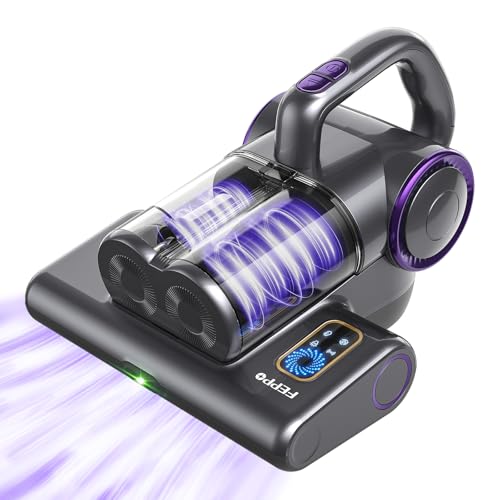
The first step involves meticulously vacuuming all upholstered areas. A vacuum equipped with a high-efficiency particulate air (HEPA) filter is ideal, as it captures minute particles often missed by standard vacuums. Pay special attention to seams, crevices, and hidden zones where these intruders may reside.
Next, treating the textile surfaces with steam can be particularly effective. Ensure the steam reaches at least 120°F (49°C) to effectively eliminate any stowaways and their eggs. Use a garment steamer for focused application on difficult-to-reach areas.
In addition, a combination of encasements for mattresses and cushions can significantly reduce the possibility of re-infestation. These protective barriers create a secure environment, hindering any resurgence of unwelcome guests. Regularly monitor signs of resurgence, maintaining vigilance even after treatment.
Identify Signs of Infestation on Furniture
Visual confirmation is critical. Look for small, dark stains on upholstery or wood surfaces. These are typically excrement left behind by these pests.
Another key indicator is the presence of tiny, pale yellow or white eggs nestled in seams or crevices. These eggs measure approximately one millimeter in size, making them difficult to spot unless closely examined.


Check for shed skin or exoskeletons around the edges of cushions or inside drawers. These remains signal previous or ongoing infestations.
Pay attention to unusual odors. A musty scent emanating from the area may suggest the presence of a colony.
Frequent scratching or discomfort during sleep often hints at a problem. If these sensations increase, a thorough inspection of sleeping areas is necessary.
Finally, utilizing a flashlight to inspect dark corners, seams, and joints of various items will reveal hidden inhabitants or signs of their existence.
Prepare Your Furniture for Treatment
Clear the area surrounding the items for easy access during the process. Remove all personal belongings, including cushions, throws, and nearby decorative pieces.
Thoroughly vacuum the surfaces of the pieces. Pay special attention to seams, crevices, and under cushions. Dispose of the vacuum bag or empty the canister outside immediately to prevent any potential spread.
Inspect all items closely for any sign of infestation. Check joints, corners, and underneath where insects may hide. If you spot any, take note of the affected locations for targeted treatment.
Wash all removable fabrics in hot water. Items like cushion covers, throws, and any fabric that can withstand high temperatures should be cleaned. After washing, dry them on a high heat cycle to enhance the elimination of any remaining pests.
For non-washable items, consider using a steam cleaner. The high temperature will effectively eradicate any unwanted inhabitants. Focus on seams and places where pests may linger.
Encase mattresses and box springs in protective covers. These specialized encasements create a barrier that prevents re-infestation and traps any existing pests, aiding in their eradication.
Store personal items in sealed bags or containers. By doing so, I minimize the risk of reinfestation during the cleaning and treatment phases.
Lastly, consider obtaining a professional assessment if the situation seems extensive. An expert can provide additional methods and ensure a thorough approach to the problem.
Choose Appropriate Insecticides for Furniture
Select insecticides specifically designed for the elimination of small pests on various surfaces. Look for products containing ingredients like pyrethroids, which are synthetically derived from chrysanthemum flowers, known for their fast-acting properties. Additionally, consider formulations that include desiccants, which damage the protective outer layer of these creatures, leading to dehydration and death.
Types of Insecticides
Liquid sprays offer immediate contact solutions, while dust formulations penetrate cracks and crevices, providing long-lasting protection. Residual sprays continue to work even after drying, ensuring that any newly introduced visitors are also dealt with effectively. Always follow the label instructions carefully, ensuring coverage of all areas where activity is suspected.
Safety Precautions
Prioritize safety by selecting products labeled as low toxicity and non-irritating. Ensure proper ventilation during application and allow treated areas to dry thoroughly before use. Wear protective gear, such as gloves and masks, to minimize exposure during treatment. Regularly inspect product labels for any specific safety recommendations or re-entry intervals.
Applying Insecticides Correctly on Furniture
Ensure a well-ventilated area during the application process to minimize inhalation risks. Use protective gear, including gloves and masks, to prevent skin and respiratory irritation.
Prior to application, shake the insecticide canister to mix the contents thoroughly. This step guarantees an even distribution of active ingredients. Hold the nozzle about 12 inches from the surface. Spray in a slow, sweeping motion to cover the area without saturating it. Avoid pooling of the product, as excessive application can lead to chemical buildup and staining.
| Step | Action | Notes |
|---|---|---|
| 1 | Ventilation | Open windows and doors to improve airflow. |
| 2 | Protection | Wear gloves and a mask to ensure safety. |
| 3 | Shake Canister | Mix contents for even application. |
| 4 | Distance | Maintain 12 inches from the target surface. |
| 5 | Sweeping Motion | Apply evenly without saturating. |
| 6 | Drying Time | Allow sufficient time for the surface to dry before use. |
After spraying, allow the treated areas to dry completely. This ensures the efficacy of the product and reduces contact risk. Regularly check treated surfaces for any signs of resurgence. Repeat applications may be necessary depending on the severity of infestation.
Natural remedies for eradicating pests on upholstery
Using natural solutions can be a practical approach to manage unwelcome insects without harsh chemicals. Here are some effective options:
- Diatomaceous Earth: This natural powder damages the exoskeletons of insects, leading to dehydration. Sprinkle it on the affected areas and leave it for at least 48 hours before vacuuming.
- Essential Oils: Oils like tea tree, lavender, and peppermint possess insect-repelling properties. Mix a few drops with water in a spray bottle and apply it directly on surfaces.
- Steam Cleaning: High temperatures can effectively eliminate infestations. Use a steam cleaner on upholstery, ensuring the steam reaches all crevices.
- Washing Fabrics: Launder any removable fabric items in hot water (above 120°F) to kill off unwanted invaders. Dry on high heat for additional effectiveness.
- Vacuuming: Regularly vacuuming carpets and upholstery removes potential hiding places and visible pests. Dispose of the vacuum bag immediately after use to prevent reinfestation.
Combining these remedies can yield better results. Persistence and consistency play key roles in successfully managing the situation.
Using heat treatments for infested furniture
Applying heat is one of the most reliable methods to address an infestation. The temperature must reach 120°F (49°C) or higher for a sustained period of time, ideally around 90 minutes, to effectively eliminate all life stages.
To start, utilize either a professional heating unit designed for pest control or a clothes dryer. If using a dryer, place smaller items like cushions and blankets in a dryer set on high. Ensure to run the dryer for at least 30 minutes to achieve sufficient heat. For larger pieces, consider portable heating units that can raise temperatures in a contained space.
Another approach involves utilizing steam. A steam cleaner equipped with a nozzle can effectively direct heat into crevices and seams where pests often hide. The steam should be held against surfaces for a few seconds, allowing it to penetrate effectively. Ensure to follow the manufacturer’s instructions for steam treatment to avoid damage.
Monitor the entire treatment process with thermometers to ensure temperatures remain above the lethal threshold throughout the duration. It’s crucial to keep doors and windows sealed during treatment to maximize effectiveness.
After treatment, conduct a thorough inspection to confirm that all areas received adequate exposure to heat. Reassessing with visual checks and monitoring for any signs of resurgence will help ensure the process was successful.
Utilizing vacuuming techniques for pest removal
Utilize a vacuum cleaner with a HEPA filter to efficiently eliminate these intruders from upholstered items and surrounding areas. Focus on seams, crevices, and undersides of cushions where these nuisances tend to hide. Ensure to use a crevice tool, as it can reach tight spaces more effectively.
Vacuum thoroughly around all edges, ensuring to pay extra attention to areas near beds and other surfaces. Consider vacuuming daily during an infestation for maximum results, as it helps reduce population and collects shed skins and eggs.
After vacuuming, immediately seal the vacuum bag or empty the canister into a sealed plastic bag to prevent any reinfestation. Dispose of the bag outside your home promptly. Clean the vacuum cleaner itself with a damp cloth and allow it to dry completely.
Regular maintenance of the vacuum’s filter and brushes ensures ongoing effectiveness against any such intruders. Employ heat or steam cleaning as additional measures post-vacuuming, especially for stubborn spots that may still harbor pests.
Incorporate vacuuming into a comprehensive pest management plan alongside other control methods for optimal outcomes. Understanding how these techniques complement each other can greatly enhance success rates in eradicating unwanted visitors.
Prevention tips to avoid re-infestation on furniture
Regularly inspect all items and surfaces within the home, prioritizing crevices and hidden areas. Include checking seams, folds, and joints in upholstery where small pests might hide.
Encasements and Covers
Utilize protective zippered covers for mattresses and cushions. These should be labeled as mite-proof to prevent any future issues and to trap any lingering occupants. Ensure that these casings remain intact at all times.
Organization and Storage
Declutter spaces to eliminate hiding spots. Store belongings in airtight containers instead of cardboard boxes, which can harbor unwanted creatures. Avoid placing items directly on the floor to reduce risk.
| Tip | Description |
|---|---|
| Regular Vacuuming | Vacuum weekly, focusing on seams and carpets. Dispose of vacuum bags immediately outside. |
| Washing Textiles | Wash and dry bedding, curtains, and clothing at high temperatures to eliminate any hitchhikers. |
| Travel Precautions | Inspect hotel rooms and keep luggage elevated to minimize risk during travel. |
| Sealing Cracks | Fill in any gaps or cracks in walls and floors to obstruct potential entry points. |
Maintain awareness of neighbors’ situations; establish communication to monitor and report any sightings. An observant community can enhance overall prevention efforts.
When to Call a Professional Pest Control Service
Opt for expert assistance if the infestation persists after applying various treatments. Indications that a specialist is necessary include:
- Severe and widespread infestation that seems unmanageable.
- Signs of multiple life stages being present, indicating a well-established population.
- Failure of over-the-counter products to deliver results within a few weeks.
- Presence of natural remedies or DIY methods that are ineffective.
- Repeated infestations, suggesting an underlying issue that needs addressing.
- Concerns regarding the potential impact of chemical treatments on health or the environment.
- Inability to access areas requiring treatment, such as wall cavities or beneath large items.
Search for Qualified Technicians
Prioritize hiring licensed and insured professionals. Check for credentials, reviews, and an integrated pest management approach. This ensures sustainable solutions that focus on thorough elimination while minimizing health risks.
Evaluate Service Options
Consider different treatment strategies offered, ranging from chemical applications to steam and heat treatments. Verify that the chosen service provides follow-up inspections to confirm the effectiveness of the treatment.


