Caleb Turner
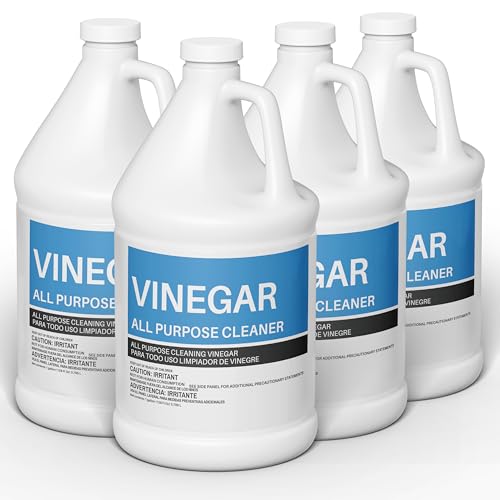
Mix equal parts of vinegar and olive oil for a straightforward solution to erase those annoying light marks. Apply this mixture to a soft cloth and gently rub the affected area. The acidity of the vinegar helps break down the stain, while the oil nourishes the wood.
An alternative method involves using a hairdryer. Set it to a low heat and aim it at the spot for a few seconds. This approach effectively warms the moisture within the wood, causing it to evaporate and often lifting the stains in the process. Keep the dryer moving to avoid overheating any specific area.

For more stubborn marks, consider using baking soda. Make a paste by mixing a tablespoon of baking soda with a small amount of water. Gently rub this paste onto the stain with a soft cloth, using a circular motion. Rinse with a damp cloth afterward and dry the surface completely.
Understanding the Causes of White Rings on Wood
Moisture exposure is the primary trigger for those frustrating marks on surfaces. Generally, this occurs when hot liquids come into contact with untreated or poorly finished timber, leading to condensation forming under sealants or coatings. This condensation creates a pocket of humidity, which interacts with the finish, causing discoloration.
The Role of Heat
Heat from cups or plates can be especially damaging. When a hot object rests on the surface, it warms the air trapped in the finish, leading to uneven expansion and contraction. This thermal shock affects the adhesive properties of the protective layer, often resulting in the formation of those notorious pale spots.

Type of Finish
The nature of the applied finish significantly influences the likelihood of mark development. Oily finishes tend to provide better moisture resistance but can be less effective against heat. Conversely, water-based coatings are more susceptible to damage, particularly in high-traffic areas. Understanding the specific characteristics of the finish helps prioritize proper care and maintenance strategies.
To mitigate these issues, maintaining humidity levels in the environment and using coasters or mats can play a preventive role in avoiding future blemishes. Taking these precautions helps ensure the longevity and appearance of valued surfaces.
Using Mayonnaise to Remove White Rings
Applying mayonnaise directly to the affected area works efficiently in eliminating marks left by moisture. Simply take a small amount of mayonnaise and gently rub it onto the spot using a soft cloth. Allow it to sit for at least 15 to 30 minutes, giving the oils and fats time to penetrate the surface.
Afterward, wipe away the mayonnaise with a clean, dry cloth. For more stubborn stains, repeating the application might yield better results. The fats in the mayonnaise help restore the wood’s natural oils, effectively reducing the visibility of those unsightly blemishes.
Always test this method on a hidden section to ensure no adverse effects occur before proceeding with visible areas. Following up with a wood polish or protective finish can help maintain the refreshed appearance.
Employing Oil and Vinegar Mixture for Cleaning
A mixture of oil and vinegar offers a practical solution to combat those unsightly marks. Combine equal parts of mineral oil and white vinegar in a small bowl. The oil nourishes the wood while the vinegar acts as a gentle abrasive, assisting in lifting the stains.
Steps to Follow
| Step | Action |
|---|---|
| 1 | Blend the oil and vinegar in a bowl. |
| 2 | Soak a soft cloth in the mixture. |
| 3 | Gently rub the affected area in circular motions. |
| 4 | Wipe the surface clean with a dry cloth. |
Additional Tips
Ensure the cloth is free of any abrasive materials to prevent scratching. Test the mixture on an inconspicuous spot to confirm compatibility with the finish. Regularly applying this blend can help maintain the luster of the surface, preventing future blemishes from forming.
Resorting to Heat Treatment with a Cloth
A simple method to treat those pesky marks involves heat application. Start by placing a clean, dry cotton cloth over the affected area. This acts as a barrier between the heat source and the surface of the wood.
Steps for Heat Treatment
- Use an iron, set to a low temperature without steam.
- Gently press the iron on the cloth for about 30 seconds.
- Lift the iron and cloth to check progress. If the marks persist, repeat the process, ensuring not to overheat, which can cause damage.
Additional Tips
- Always test on a small, inconspicuous area first to ensure no discoloration occurs.
- Make sure the cloth remains dry during treatment; moisture can worsen the situation.
- Allow the surface to cool before assessing the outcome.
Adjust heat levels according to the responsiveness of the wood. If successful, a polish or wax application afterward can restore the furniture’s luster.
Applying Baking Soda Paste for Stain Removal
Mix equal parts of baking soda and water to create a thick paste. Use a small bowl for this mixture.
Gently apply the paste onto the affected area with a soft cloth or sponge. Make sure to cover the entire spot thoroughly.
Let the paste sit for around 10-15 minutes. The baking soda works to lift the stain from the surface.
After the waiting period, take a clean, damp cloth and wipe off the paste. Ensure no residue remains.
For more stubborn marks, repeat the application process. Adjust the paste consistency if needed to ensure effective adhesion.
Finish by polishing the area with wood polish or a wax to restore the sheen of the surface.
Testing Commercial Furniture Polish Options
Choosing the right commercial polish can significantly impact the aesthetics of surfaces. Start by selecting a product specifically designed for wood restoration. Look for polishes that advertise silicone-free formulas, as silicone can sometimes make the situation worse by creating further residue.
Before applying any commercial option, spot-test on an inconspicuous area. This helps assess compatibility with the finish. Apply a small quantity using a soft cloth, rubbing gently in the direction of the grain. Wait for a few minutes to observe any adverse reactions.
For best results, I’ve found that polishes containing natural oils, like lemon oil, help nourish the timber while providing a shine. In comparison, some synthetic sprays may deliver instant gloss but can cause buildup over time. Always check user reviews and ingredient lists for quality assurance.
When applying, less is often more; a few drops go a long way. After spreading evenly, allow it to sit for a few minutes before buffing with a clean, dry cloth. This technique can enhance the appearance while also helping to reduce the visibility of existing blemishes.
Finally, if stains persist despite using these products, consider that it may be beneficial to alternate between different brands. Sometimes certain formulas work better on specific finishes or types of wood. Documenting which products yield the best outcomes will assist in making informed choices for future maintenance.
Preventing Future White Rings on Furniture
Regularly applying a quality wax or polish creates a protective barrier against moisture. Keeping surfaces dry after use, especially following beverages or plants, minimizes chances of damage. Using coasters for drinks, especially those that generate condensation, is crucial.
Environmental Control
Maintaining a stable humidity level in the home prevents wood from absorbing excess moisture. Using a dehumidifier in humid areas or a humidifier during dry seasons protects wooden surfaces. Keeping furniture away from direct sunlight also limits heat exposure, which can exacerbate the issue.
Routine Care and Maintenance
Dusting regularly with a soft, lint-free cloth prevents dirt buildup that can trap moisture. Consider applying a natural oil treatment occasionally to nourish the wood and enhance its natural shine. Opt for non-abrasive cleaning agents tailored for wood, avoiding water-heavy solutions that can cause damage.
When to Consult a Professional Restoration Service
If previous attempts to eliminate marks have failed or resulted in damage, it’s time to seek expert help. Experienced restorers can assess the condition of your item and provide tailored solutions that DIY methods might not achieve.
Cases involving deep stains or extensive water damage require professional evaluation to prevent further deterioration. A restoration service can often provide an analysis of the wood type and appropriate treatment methods, ensuring the restoration process preserves the integrity of the piece.
Investing in a skilled technician can drastically enhance the appearance of your furniture, especially if it holds sentimental value or is a significant piece within your collection. Look for restorers with positive reviews and portfolios showcasing their previous work to ensure you are entrusting your furniture to a qualified individual.
In instances where refinishing or re-staining is necessary, professionals possess the right tools and expertise to achieve a flawless finish that might be challenging to replicate at home. This is particularly pertinent for antiques or high-value items where preserving original characteristics is essential.
Lastly, if a piece requires repairs beyond cleaning, such as fixing structural issues or re-gluing joints, seeking professional restoration is advisable. Their training and experience often lead to a more durable and aesthetically pleasing result than an amateur attempt.