Caleb Turner

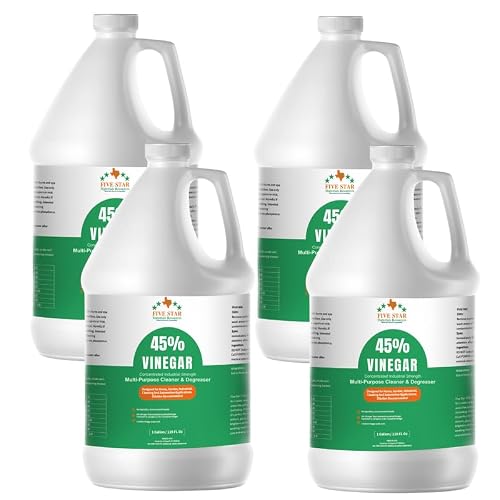
Mix equal parts of water and vinegar in a spray bottle. This solution effectively neutralizes the persistent aroma clinging to upholstery. Lightly mist the affected areas, ensuring not to soak the fabric. Allow the piece to air out in a well-ventilated space, which greatly aids in accelerating the odor removal process.
Another strategy involves placing baking soda directly on surfaces. Allow it to sit for several hours or overnight, then vacuum thoroughly. This method absorbs unwanted scents, providing a fresh environment without harsh chemicals.
For more stubborn cases, a professional cleaning service specializing in upholstery may be necessary. They possess equipment and solutions tailored to eliminate deep-rooted odors, ensuring restoration without damage.
Regular maintenance is key. Periodically inspect and care for furniture not in use to prevent any re-emergence of these undesirable scents. Keeping spaces dry and well-aerated also plays a significant role in maintaining freshness.

Identifying the Source of Mothball Odor
Examine all materials that may have come into contact with those small aromatic balls. Wooden structures, upholstery, and fabrics often absorb the compound. Checking for hidden compartments where the scent can linger is crucial.
Inspect adjacent spaces as well. Carpets and curtains might hold traces of the odor, amplifying the issue. It’s helpful to assess any items stored nearby, such as clothes or linens, as they could be significant contributors to the pervasive aroma.
Common Sources to Check
Focus on the backs of cabinets and shelves. These areas frequently trap residue, maintaining the odor long after removing the source. Consider inspecting any containers or boxes that might have contained the balls, as they can retain the scent even after disposal.
Evaluate environmental factors too. Humidity can enhance the scent, making it essential to control moisture levels in the room. Use dehumidifiers if needed to reduce the overall intensity of the fragrance in the space.
Cleaning Surfaces with Vinegar and Water Solution
A mixture of equal parts water and white vinegar effectively neutralizes unpleasant odors. Combine one cup of water with one cup of vinegar in a spray bottle. Shake well to combine.
Application Steps
Spray the solution directly onto the affected surfaces, ensuring to cover all areas thoroughly. Allow the mixture to sit for about 15-20 minutes to penetrate and lift any lingering scents. Wipe the surface with a clean cloth, following up with a damp cloth to remove any vinegar residue.
Key Benefits
This method not only refreshes the area but also disinfects surfaces without harsh chemicals. Vinegar’s natural properties help in breaking down any particles that may be contributing to the unwanted odors.
| Ingredient | Purpose |
|---|---|
| White Vinegar | Neutralizes odors, disinfects surfaces |
| Water | Dilutes vinegar, reduces acidity |
| Cloth | Wipes away residue |
Using Baking Soda to Absorb Odors
Sprinkling baking soda liberally over surfaces can effectively draw out unwanted scents. Allow it to sit for 24 hours before vacuuming, enabling ample time for absorption. This method is particularly helpful for upholstered items and carpets.
Application Tips
For best results, create a mixture of baking soda and essential oil for added fragrance. A few drops of lavender or citrus oil mixed with the soda can enhance the deodorizing effect.
Extended Usage
Consider placing small bowls filled with baking soda inside closed furniture or drawers for ongoing odor management. This passive approach continuously absorbs unwanted smells over time.
Applying Activated Charcoal for Odor Removal
To eliminate unwanted odors, I utilize activated charcoal due to its incredible absorption properties. This substance can capture and neutralize unpleasant scents effectively.
Steps for Application
First, I place several small bowls filled with activated charcoal around the area where the odor is strongest. It’s important to have sufficient quantity; I recommend at least one bowl for every 50 square feet. For furniture, placing a bowl inside or on top while the item is in a well-ventilated space helps maximize the effectiveness.
Duration and Maintenance
I let the charcoal sit for a minimum of 24 to 48 hours. Periodically, I check the bowls; if they become saturated with odors, replacing the charcoal ensures ongoing results. Keeping the charcoal packs fresh allows for sustained odor absorption.
Utilizing Essential Oils for Scent Masking
To effectively mask lingering odors, consider incorporating essential oils into the environment. Choose oils known for their refreshing properties, such as lavender, lemon, or eucalyptus.
- Lavender: Renowned for its calming aroma, this oil helps neutralize unpleasant scents. Simply mix a few drops with water in a spray bottle and lightly mist the furniture.
- Lemon: The citrusy fragrance of lemon promotes a clean atmosphere. Combine lemon oil with water and use as a surface spray.
- Eucalyptus: This oil not only offers a fresh scent but also possesses antibacterial qualities. Add a few drops to water and apply it using a cloth for cleaning.
Beyond direct application, consider creating sachets using cotton balls or small fabric bags. Soak these items in your chosen essential oil and place them in drawers or near the furniture to provide a continuous fragrance.
For a more comprehensive approach, blend a few oils together. Try mixing lemon and lavender for a refreshing, uplifting scent. Adjust the ratios based on personal preference to achieve the desired fragrance strength.
Remember to refresh the applications regularly, as the intensity may diminish over time. This practice can create a pleasant and inviting atmosphere while naturally combating unwanted odors.
Preventing Future Mothball Odors in Furniture
Store items in airtight containers or vacuum-sealed bags. This prevents any undesirable scent from affecting your possessions. Make sure to use high-quality storage materials to create a secure environment.
Regularly inspect clothing and textiles kept in storage. Make it a habit to check for signs of infestation or odor, as early detection can prevent severe problems down the line.
Use Natural Repellents
Incorporate natural repellents like lavender sachets or cedar balls. These not only offer pleasant scents but also deter pests. Placing these around and inside storage areas can help maintain a fresh aroma.
Maintain Proper Humidity Levels
Invest in a dehumidifier if your living space is prone to dampness. Keeping humidity levels low discourages mold and unpleasant odors from forming. Monitor moisture levels consistently to ensure an inhospitable environment for odor-causing agents.
Regular cleaning of all textiles, including curtains and upholstery, minimizes the buildup of stale odors. Utilize appropriate cleaning techniques and products to refresh your items and maintain a pleasant atmosphere.