
 Caleb Turner

The simplest approach involves using ice cubes. Place them directly on the imprints and allow them to melt. As the water seeps into the fibers, gently fluff them with a fork to restore their original shape. This method works wonders for mild depressions.
For more stubborn imprints, mix equal parts vinegar and water in a spray bottle. Lightly spray the affected area and let it sit for a few minutes. Afterward, blot with a clean cloth and use a brush to lift the fibers. This technique not only cleans but also revitalizes the texture.
In cases where residues linger, try applying a bit of dish soap to the region. Gently scrub with a damp cloth, ensuring not to oversaturate the fibers. Rinse thoroughly and continue fluffing until the area returns to its natural state. Persistent care ensures longevity for pristine flooring.
Understanding the Types of Carpet Fabrics
Selecting the right textile for flooring can significantly influence maintenance needs and appearance. Synthetic materials like nylon offer resilience and stain resistance, making them popular for high-traffic areas. Conversely, natural fibers such as wool provide a luxurious feel and durability but require specialized care due to their susceptibility to damage from moisture and stains.
Polyester stands out for its color retention, offering a variety of design options while remaining budget-friendly. However, its wearability can be less than that of nylon. Olefin, known for moisture resistance and easy cleaning, works well in spaces prone to spills but might not withstand heavy foot traffic over time.
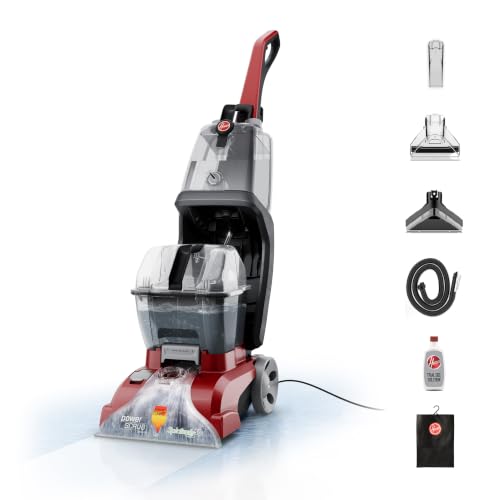

Textile density and twist also play a crucial role. Higher density carpets usually resist compression better and maintain appearance longer. Loop pile constructions, like Berber, deliver durability and are great for informal settings, while cut pile carpets provide softness and comfort, making them suitable for more formal spaces.
Once the appropriate fabric type is chosen, proper maintenance techniques based on the specific material will help prolong the life and appearance of the flooring. Regular vacuuming and prompt attention to spills are key, along with scheduled deep cleaning according to the manufacturer’s recommendations.
Identifying the Right Cleaning Method for Your Carpet
Selecting an appropriate cleaning technique begins with ascertaining the fabric type of the flooring. Different materials demand unique approaches. For instance, synthetic fibers like nylon and polyester withstand harsher treatments compared to delicate natural fibers like wool and silk.
Conduct a patch test by applying any cleaning solution to a hidden area, verifying color fastness and texture integrity. Choose products that specify compatibility with the identified fabric type. Environmental consciousness is essential; opting for eco-friendly solutions minimizes negative effects on surroundings.
Based on the domestic scenario and degree of stain severity, consider varying methods:
| Stain Severity | Recommended Method |
|---|---|
| Light | Use a mild detergent solution with a soft cloth for blotting. |
| Moderate | Employ a specialized carpet cleaner or a vinegar-water mix for deeper penetration. |
| Severe | Seek professional cleaning services that utilize steam cleaning or dry-cleaning for formidable challenges. |
After cleaning, always allow sufficient drying time to prevent mold growth and preserve the carpet’s structure. Mindful care enables maintaining the original appearance and extends the life of the flooring.
Using Household Items to Remove Furniture Leg Marks
To eliminate impressions left by heavy pieces, I often reach for ice cubes. Placing them directly on the affected area allows the fibers to swell, restoring their original shape. After a few minutes, gently fluff the nap with a spoon or a soft cloth for best results.
White vinegar provides another effective solution. Mixing equal parts of vinegar and warm water creates a cleaning agent. Dabbing this mixture onto the spots, followed by careful blotting with a towel, significantly diminishes the signs of compression.
Baking soda is also beneficial. Sprinkling it liberally over the area and letting it sit for several hours absorbs odors and moisture. Vacuuming afterward reveals a fresher appearance.
A steam iron can work wonders. By holding it a few inches above the surface and allowing the steam to penetrate, the fibers relax. After steaming, gently brush the area with a soft-bristle brush to restore the texture.
Fabric conditioner mixed with water in a spray bottle serves as a great alternative. Lightly misting the distressed spots, followed by the same fluffing method, yields impressive results, promoting a uniform texture across the surface.
When to Consider Professional Carpet Cleaning Services
Investing in expert cleaning becomes evident when stains persist despite DIY efforts. If marks from furnishings resist removal after multiple treatments, a professional service may restore the floor covering effectively.
Additionally, high-traffic areas that show signs of fading or ingrained dirt can benefit from specialized techniques and equipment that exceed what household methods can achieve.
When preparing for significant events or relocating, scheduling a deep clean ensures that the surface looks its best. This approach not only revitalizes appearance but also enhances hygiene by eliminating accumulated allergens.
In cases where your carpet type includes delicate fabrics, professional intervention prevents potential damage from inappropriate cleaning agents or excessive scrubbing.
For those with busy schedules, engaging cleaning experts saves time and effort while promising a thorough job that typically highlights results superior to standard maintenance practices.
Preventing Future Marks from Furniture Legs
Opting for protective coasters or pads under each item’s base can effectively avoid indentations. Select options made of rubber or felt for optimal cushioning, ensuring stability and mobility.
Regularly rearranging placements can significantly reduce pressure on specific areas of the floor covering. This simple practice can shift the weight distribution, minimizing the risk of lasting impressions.
Consider raising the furniture height using adjustable legs if possible. This adjustment promotes airflow and minimizes direct contact with the flooring material.
Utilizing area rugs or mats beneath heavier pieces acts as a buffer, absorbing pressure. This method not only protects the surface but also adds a decorative touch to the space.
Routine maintenance, including vacuuming or steam cleaning, helps maintain the integrity of fibers. By removing debris and dirt, the overall condition of the flooring will improve, thereby lessening the chances of lasting damage.
When buying new pieces, opt for those with broader bases or weight distribution designs. Such features diminish concentrated pressure points on the surface.
Maintaining Your Carpet After Cleaning
Regular upkeep enhances the longevity of textile flooring. Immediate attention to spills is paramount; blot, don’t rub, to absorb liquids efficiently. Using cold water helps in removing stains without setting them.
Utilizing Protectors and Runners
Strategically placed rugs or runners can shield areas with high foot traffic. Using protective pads under furniture can prevent future impressions. Rotate furniture occasionally to minimize wear patterns.
Routine Vacuuming and Deep Cleaning
Consistency is key. Vacuuming weekly prevents dirt build-up, while occasional deep cleaning restores texture and appearance. Employing a professional service every 12-18 months can be beneficial for maintaining optimal condition.


