Caleb Turner
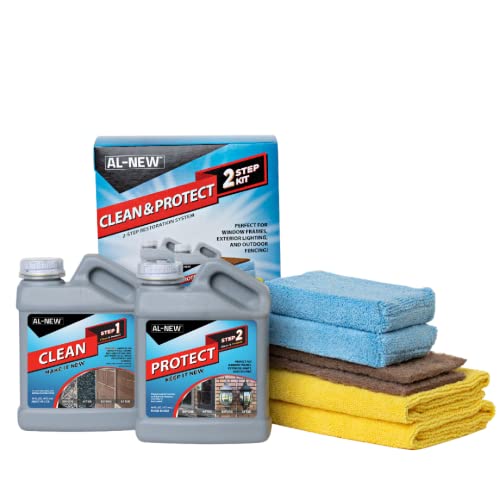
Using a mixture of warm water and mild dish soap is the foundation for maintaining a pristine appearance of outdoor seating. This combination effectively lifts grime and stains without causing damage. A soft sponge or cloth works well for applying this soapy solution, ensuring no harsh scrubbing is required.
For tougher stains or mildew, a paste made of baking soda and water can target specific spots. Gently rubbing the paste into the affected area and letting it sit for approximately 15 minutes before rinsing can yield impressive results. An alternative approach involves using a vinegar solution, which acts as a natural disinfectant while breaking down stubborn dirt.
Protecting against future discoloration is a crucial consideration. Applying a dedicated plastic cleaner after washing can create a protective layer that minimizes dirt buildup. Additionally, relocating these items under cover during heavy weather or prolonged periods of non-use helps extend their lifespan.
Gathering the Necessary Cleaning Supplies
Before tackling outdoor seating, essential items must be collected. Begin with a soft-bristled brush to dislodge dirt. Ensure to have a bucket ready for mixing cleaning solutions. An all-purpose cleaner or a mix of water and vinegar provides effective results. For tougher stains, consider oxygen bleach or baking soda for scrubbing. A sponge or microfiber cloth will help apply solutions without scratching surfaces.
Don’t forget gloves to protect hands from harsh chemicals. A garden hose or pressure washer can be useful for rinsing down surfaces after cleaning. For secluded areas, a scrub brush with a long handle may simplify access. Having an old toothbrush handy aids in cleaning crevices. All items should be easily accessible for an efficient cleaning process.


Removing Loose Dirt and Debris from Furniture
Begin with a soft-bristled broom or a dry microfiber cloth to eliminate any loose particles. The primary goal is to gently sweep away dust, leaves, and other debris without scratching the surface.
If significant accumulation is present, opt for a leaf blower for a quicker and more efficient removal process. This method is especially useful for larger outdoor areas where manual sweeping might be time-consuming.
For stuck-on dirt, lightly dampen a cloth and wipe over the areas. This approach can loosen debris while avoiding excess moisture that might cause damage.
- Start with dry sweeping to capture most loose elements.
- Consider a vacuum with a hose attachment for tight spaces or crevices.
- If using a leaf blower, maintain a safe distance to prevent debris from being blown back onto the surface.
- Regularly perform these tasks to maintain cleanliness and prolong the lifespan.
Ensure to check all areas, including under and between pieces, where dirt tends to accumulate unnoticed. Maintaining routine checks aids in sustaining a tidy setup.
Using a Gentle Soap Solution for Deeper Cleaning
A mixture of mild dish soap and warm water works wonders for maintaining the appearance of outdoor seating. Start with a bucket, adding a few drops of dish detergent to warm water. This combination creates a sudsy solution that effectively lifts grime without damaging surfaces.
Application Technique
Utilizing a soft sponge or cloth, apply the soap solution directly onto the surfaces. Focus on areas with stubborn stains or discoloration, allowing the suds to penetrate for a few minutes. For more persistent marks, gently scrub in circular motions, ensuring not to scratch the material.
Rinsing and Drying
After sufficient scrubbing, rinse off the soap thoroughly with a garden hose or a clean sponge soaked in water. It’s crucial to remove all soap residue to prevent any streaking. Finally, dry with a soft cloth or let air dry in the sun, which also helps eliminate any remaining moisture and prevents mildew growth.
Dealing with stubborn stains on plastic surfaces
For persistent marks, a mixture of baking soda and water can work wonders. Combine 1/2 cup of baking soda with a few tablespoons of water to create a thick paste. Apply this paste directly onto the stain, allowing it to sit for 15-30 minutes. Afterward, scrub gently with a soft-bristled brush or sponge, then rinse thoroughly with clean water.
If baking soda does not completely eliminate the discoloration, consider using hydrogen peroxide. Dampen a cloth with hydrogen peroxide and lay it over the stained area. Cover with plastic wrap to keep it moist, letting it sit for several hours or overnight. Finally, remove the wrap and rinse the surface well.
An additional method involves vinegar, known for its effectiveness against tough grime. Mix equal parts vinegar and water, then apply the solution to the stained area. Let it sit for about 10 minutes before scrubbing with a sponge and rinsing off.
For ink or dye stains, rubbing alcohol can be effective. Dampen a cloth with rubbing alcohol and gently dab at the stain. Make sure to rinse thoroughly afterward to remove any residue.
Lastly, commercial stain removers specifically designed for synthetic materials can be an option. Always test on a small, inconspicuous area first to ensure compatibility with the surface.
Applying a Protective Treatment After Cleaning
To prolong the lifespan and appearance of outdoor seating, applying a protective treatment is highly advisable post-cleaning. Utilizing a UV protectant specifically designed for outdoor materials can help mitigate fading and damage caused by sunlight exposure.
After ensuring the surfaces are completely dry, apply the treatment evenly using a clean cloth or a spray bottle, following the manufacturer’s instructions carefully. Coverage should include all exposed areas, focusing particularly on hard-to-reach spots where dirt can accumulate.
Choosing the Right Product
Select a product that is free from harsh chemicals to avoid potential degradation of the surface. Look for treatments containing silicone or wax, as they create a protective barrier that combats moisture and environmental contaminants. Checking for compatibility with the material can also prevent adverse reactions.
Regular Maintenance
Perform routine applications, especially at the beginning of each season, to maintain protection. A gentle touch-up every few months, especially after heavy use or extreme weather conditions, keeps outdoor seating looking fresh and promotes durability.
Maintaining Your Furniture Between Cleanings
Regular upkeep enhances longevity and appearance. Here are specific strategies to keep surfaces looking fresh:
- Wipe down surfaces weekly with a damp cloth to remove dust and pollen accumulation.
- For rainy days, consider using furniture covers. This prevents water spots and keeps dirt away.
- Inspect for any signs of cracks or scratches. Early detection allows for timely repairs.
- Use a soft brush or broom to clean between slats or grooves. This prevents buildup that can lead to staining over time.
- After heavy use or gatherings, take a moment to inspect for spills and treat them promptly to avoid permanent marks.
- Rotate cushions regularly if applicable to ensure even wear and prevent fading from sun exposure.
Implementing these practices not only saves time during deep cleaning but also maintains the aesthetic appeal of outdoor seating areas.
Preventing future discoloration and wear
Applying a UV-protective spray can significantly reduce fading caused by sunlight exposure. This treatment acts as a barrier against harmful rays and enhances the longevity of the surface. Regularly cleaning the items removes dirt and grime, which can dull the finish and lead to discoloration over time.
Storing these items indoors or under a protective cover during harsh weather conditions helps safeguard against the elements and prevents corrosion or fading. Utilizing breathable covers ensures moisture doesn’t get trapped, which could lead to mold or mildew formation.
Avoid using abrasive materials for cleaning, as they can scratch the surface and create areas that are more susceptible to damage. Instead, opt for soft cloths or gentle sponges during maintenance routines to preserve the finish.
Additionally, cautious placement away from areas that experience heavy foot traffic or potential bumps will reduce wear and tear. Considering the arrangement can also lower the risk of scratches, keeping surfaces looking fresher for longer.
Incorporating these practices into routine care will significantly extend the life of exterior seating and tables, maintaining their appearance and functionality throughout the seasons.
Choosing the Right Location for Storage
Storing outdoor seating requires careful selection of the environment to prolong its lifespan. Opt for a shaded, dry area to minimize exposure to direct sunlight, which can cause discoloration and brittleness over time. An indoor facility is preferable; if not feasible, use a protective cover designed for outdoor items.
Key Storage Considerations
| Factor | Recommendation |
|---|---|
| Temperature | Keep in a climate-controlled area if possible, avoiding extreme heat or cold. |
| Humidity | Store in a low-humidity environment to prevent mold and mildew. |
| Protection | Use covers to shield from dust, moisture, and pests. |
| Accessibility | Choose a location that allows for easy setup during use. |
Avoid places prone to flooding or high moisture. Regularly check the storage area for signs of pest activity or mold growth. By following these guidelines, maintenance becomes easier, ensuring outdoor pieces remain in great condition. Evaluate conditions periodically to adjust the storage strategy when necessary.