Caleb Turner

For immediate care, a damp cloth is often all that’s required. Lightly dampening the cloth with water can lift dirt and debris effectively without leaving watermarks.
For tougher stains, a blend of mild soap and water works exceptionally well. I recommend using a few drops of dish soap in warm water. Apply the solution with a soft cloth and scrub gently in a circular motion to tackle stubborn marks.
If you’re dealing with oily stains, a small amount of rubbing alcohol on a clean cloth can break down the grease. Dabbing, rather than rubbing, helps minimize the risk of damage while ensuring a thorough cleaning.


To maintain the texture and appearance, brushing with a soft-bristled brush after cleaning reinvigorates the fibers. It’s a straightforward step that brings back the original look of the material without compromising its quality.
Choosing the Right Cleaning Solution for Microfiber
For optimal results, I recommend a solution of warm water mixed with a few drops of mild dish soap. This blend effectively tackles dirt without damaging the fibers. Avoid harsh detergents, as they can leave residues.
If there are stubborn stains, a mix of water and white vinegar can work wonders. The vinegar acts as a natural stain remover while neutralizing odors. Use a 1:1 ratio for the best effect.
Always conduct a patch test on a hidden area to ensure compatibility with the fabric. After applying any solution, use a soft cloth or sponge to gently blot, not rub, the affected area. This preserves the weave and texture of the material.
For water-resistant materials, specialized cleaners are available that are designed specifically for synthetic textiles. These products can provide an additional layer of protection while enhancing appearance.
Once the cleaning process is complete, it’s beneficial to allow the surface to air dry and then brush the fibers with a soft brush to restore their original luster and texture.
Homemade Cleaners: Safe Ingredients for Microfiber
I recommend a mixture of distilled water and white vinegar for a gentle yet effective solution. Combine one part vinegar with three parts water in a spray bottle. This blend helps remove stains while being non-toxic.
Another option is a baking soda paste. Mix a quarter cup of baking soda with a few tablespoons of water to create a thick paste. Apply this directly to stains, let it sit for about 15 minutes, and then scrub gently with a soft cloth.
For a scented alternative, add a few drops of essential oils, like lavender or lemon, to the vinegar solution. This not only freshens the scent but also adds an antibacterial element.
A mild dish soap diluted in warm water serves as an additional safe mixture. Just a few drops in a bowl of water will create a soapy solution ideal for tackling tough spots.
I advise testing any homemade solution on a small, inconspicuous area first to ensure it does not affect the fabric’s color or texture. Regular maintenance with these natural options helps keep surfaces looking their best without harsh chemicals.
Best Tools for Applying Cleaners to Microfiber
A microfiber cloth is my go-to for applying solutions on these surfaces. It effectively picks up dirt and absorbs liquid without leaving streaks. I prefer a dual-sided cloth; one side for application and the other for buffing, ensuring a polished finish.
Spray Bottles
Using a spray bottle is highly effective for evenly distributing the solution without over-saturating. I recommend a fine mist setting as it allows for controlled application, optimizing the action of the cleaner. Additionally, it’s convenient to refill with homemade solutions or commercial products.
Soft Brushes
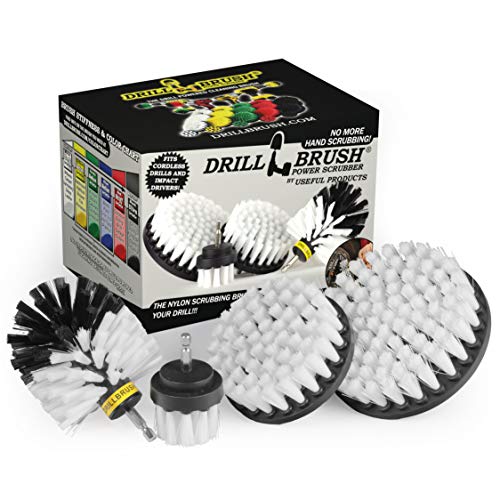
A soft-bristled brush can be instrumental for scrubbing stubborn stains. I choose brushes with synthetic bristles to prevent any damage while ensuring thorough cleaning. This helps lift dirt trapped within fabric fibers, restoring the item’s appearance without being abrasive.
Removing Stains from Microfiber: Step-by-Step Guide
For tackling stains, I first blot the area using a clean, dry cloth. This absorbs excess liquid without spreading it further. Next, I determine the stain type to select the appropriate solution.
If the mark is oil-based, I apply rubbing alcohol to a microfiber cloth and gently dab the stain. This solvent effectively breaks down oils. For water-based stains, such as coffee or juice, I create a mixture of gentle dish soap and water. Dipping the cloth into this concoction, I wring it out to avoid saturation and apply it to the affected area.
After treatment, I lightly scrub the area in circular motions. Patience is key; focusing on small sections ensures deeper penetration without damage. Once I see progress, I use a different clean, damp cloth to wipe away any residual cleaner.
To restore texture, I often finish by brushing the fabric with a soft brush or my fingers. This step revives the fibers and helps them regain their original appearance. Allowing the area to air dry completely prevents mold or mildew growth.
In the event of stubborn stains, repeating this process may be necessary. Tracking the effectiveness of each method helps me refine my approach for future incidents.
Drying Techniques to Preserve Microfiber Integrity
After washing synthetic fabric, it’s crucial to follow specific drying methods to maintain its quality. Here are the most effective techniques:
Air Drying
- Place the item in a well-ventilated area away from direct sunlight to prevent color fading.
- Lay the piece flat on a clean, dry towel to absorb excess moisture, reshaping it as needed.
- Alternatively, hang it up on a padded hanger to ensure air circulation without stretching the material.
Tumble Drying
- If you opt for a dryer, set it to a low or no heat setting. High temperatures can damage fibers.
- Add dryer balls or clean tennis balls to help fluff the fabric and reduce clumping during the cycle.
- Remove the item while it’s still slightly damp to minimize heat exposure.
Proper drying is critical. Ignoring these techniques can lead to clumping and loss of texture, which diminishes its aesthetic appeal and comfort. Make these practices a standard part of your maintenance routine to keep it looking fresh and resilient.
Regular Maintenance Tips for Microfiber Furniture
For optimal preservation of your fabric’s appearance, I recommend weekly vacuuming with a brush attachment. This removes dust and debris that can accumulate over time.
Spot-check areas that receive frequent use, such as armrests and seat cushions, to maintain cleanliness. Use a soft cloth lightly dampened with water for minor spills, followed by a dry cloth to absorb excess moisture.
Every few months, perform a deeper maintenance by gently steam-cleaning the surface. Ensure to follow a proper distance to avoid over-saturation. Allow ample time for drying, which will help maintain the texture.
Consider using a fabric protector after cleaning. This provides a barrier against future stains and simplifies ongoing care. Reapply as necessary, based on product instructions.
| Maintenance Task | Frequency |
|---|---|
| Vacuuming | Weekly |
| Spot Cleaning | As Needed |
| Deep Cleaning | Every 3-6 Months |
| Fabric Protector Application | After Cleaning |
By adhering to these strategies, I can ensure that the fabric remains in excellent condition, prolonging its life and aesthetic appeal.